Genre
luk thung
Top Luk thung Artists
Showing 25 of 1,708 artists


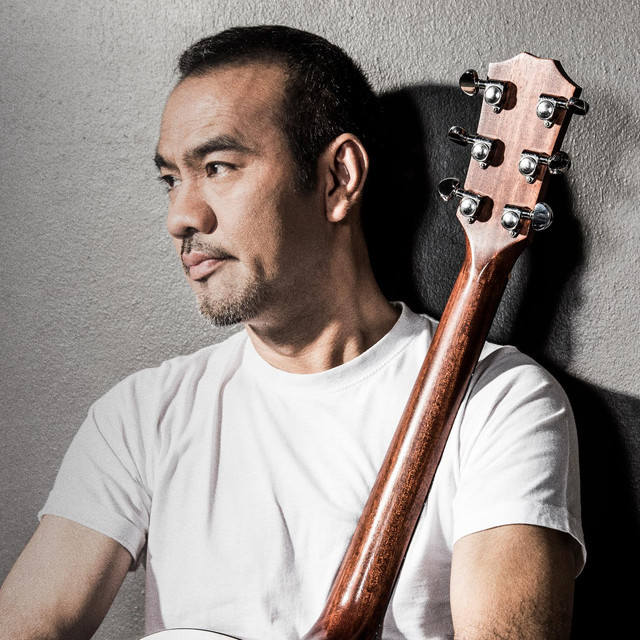
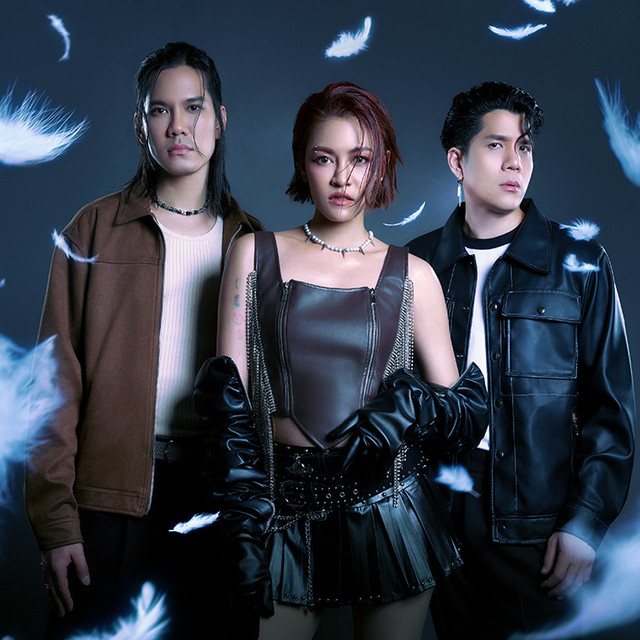
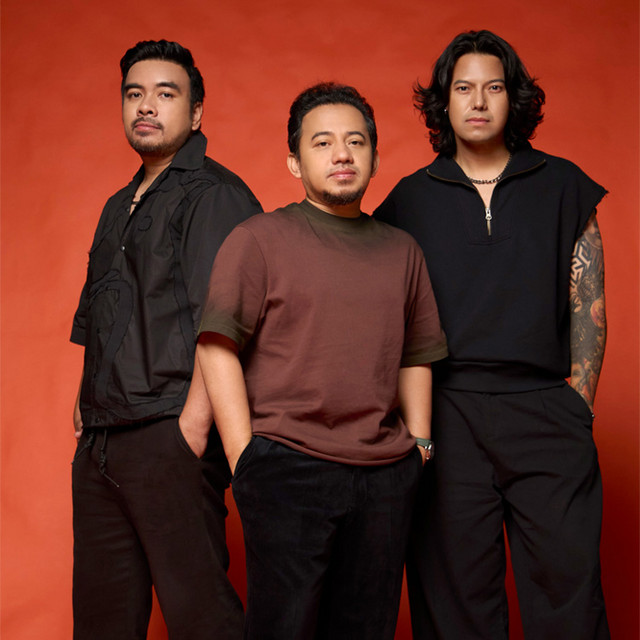
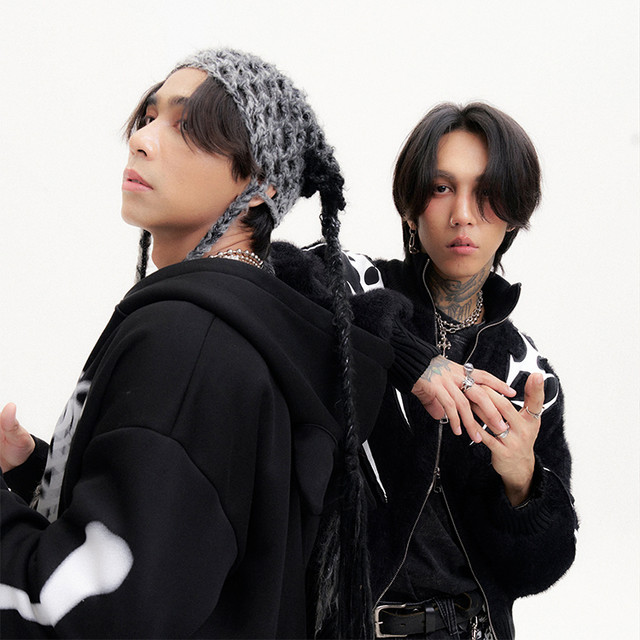


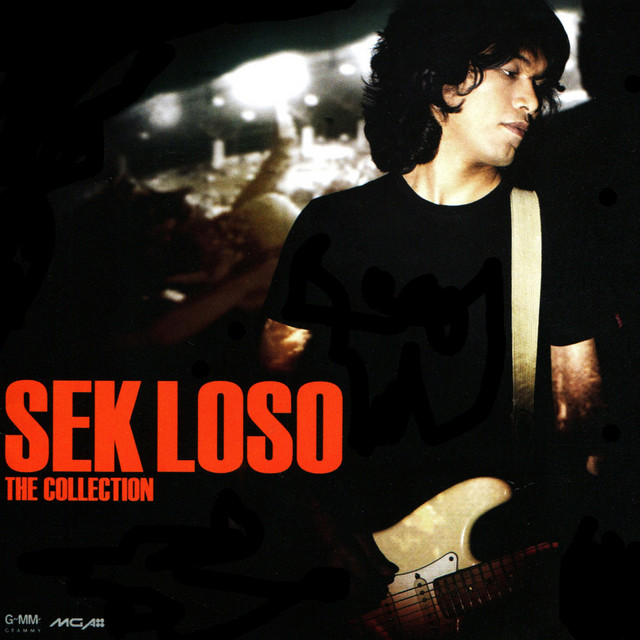
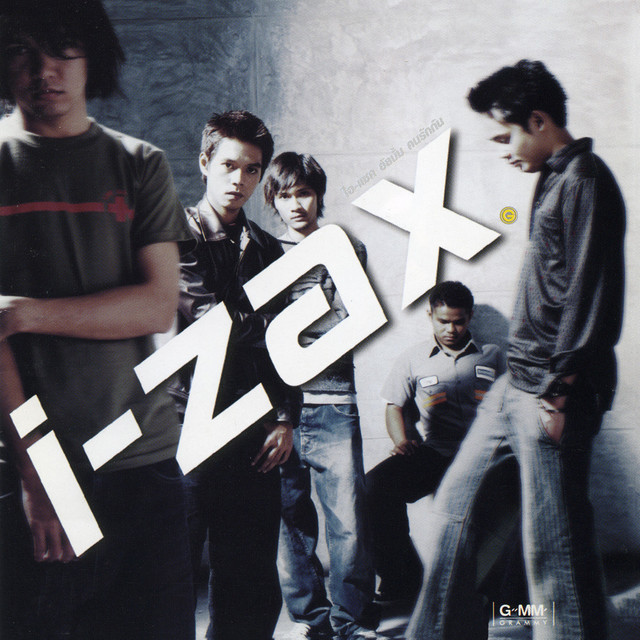
24

ดิด คิตตี้
136,049
721,372 listeners
About Luk thung
Luk thung, literally Thai country music, is a rhythmic and emotive genre that sits at the heart of Thailand’s popular music landscape. It emerged in the mid-20th century, taking shape in Bangkok’s studios and radio studios as rural life met urban life. The name itself—luk thung, meaning “child of the fields” or “country kid”—signals its roots in the countryside and its appeal to everyday people. From its beginnings in the 1950s and 1960s, luk thung quickly became a soundtrack for farmers, vendors, and migrant workers who moved between villages and the capital, carrying stories of hardship, longing, love, and resilience.
Musically, luk thung is a synthesis. It blends traditional Thai folk melodies with Western popular music, country, and ballroom-inflected tunes, along with Isan’s Mor lam influences in many of its regional strains. The instrumentation evolved over time: early records leaned on guitars and traditional Thai ensembles, while later decades brought electric guitars, fiddles, accordions, and synthesizers. The genre often relies on strong, melodic storytelling in Thai, with vocal lines that can be plaintive, celebratory, or melodramatic. The production sensibilities shift from intimate, singer-centered performances to lush, orchestral arrangements in crossover and pop-productions, reflecting luk thung’s adaptability and broad appeal.
Luk thung has always been a platform for social observation. Its lyrics frequently address love and family, but they also tackle migration, poverty, labor, and the daily realities of rural life. The songs can be balladic and heartfelt or upbeat and danceable, balancing sentiment with a sense of humor and grit. Over time, the genre has absorbed regional flavors, notably from Isan (Northeast Thailand), where the Mor lam tradition and local dialects have left a lasting imprint on many luk thung recordings. The result is a music that can feel universal in its human themes while remaining deeply rooted in Thai regional cultures.
If you’re mapping the genre’s history, a few figures stand out as its ambassadors and touchstones. Pumpuang Duangjan, often hailed as the queen of luk thung, is a touchstone of the modern era: her voice and stage presence helped define the style for the 1980s and beyond, translating rural storytelling into mass-appeal pop without sacrificing emotional authenticity. In subsequent decades, artists like Jintara Poonlarp and Tai Orathai carried the tradition forward, blending tradition with contemporary production and wider audience reach. They helped luk thung remain vibrant in an ever-changing Thai music scene and bridged generations of listeners.
Luk thung is most popular in Thailand, where it speaks directly to everyday experiences and regional identities. It also travels with the Thai diaspora and Isan communities abroad, finding listeners in Laos, Cambodia, and among Thai expatriates in the United States, Australia, and parts of Europe. For a music enthusiast, exploring luk thung offers a window into rural-urban narratives, vocal emotiveness, and a genre that has continuously reinvented itself while staying true to its roots. Listening now, you can hear the echoes of its past, the vitality of its present, and the promise of its future as new producers and singers reinterpret what it means to be a “child of the fields” in a global musical landscape.
Musically, luk thung is a synthesis. It blends traditional Thai folk melodies with Western popular music, country, and ballroom-inflected tunes, along with Isan’s Mor lam influences in many of its regional strains. The instrumentation evolved over time: early records leaned on guitars and traditional Thai ensembles, while later decades brought electric guitars, fiddles, accordions, and synthesizers. The genre often relies on strong, melodic storytelling in Thai, with vocal lines that can be plaintive, celebratory, or melodramatic. The production sensibilities shift from intimate, singer-centered performances to lush, orchestral arrangements in crossover and pop-productions, reflecting luk thung’s adaptability and broad appeal.
Luk thung has always been a platform for social observation. Its lyrics frequently address love and family, but they also tackle migration, poverty, labor, and the daily realities of rural life. The songs can be balladic and heartfelt or upbeat and danceable, balancing sentiment with a sense of humor and grit. Over time, the genre has absorbed regional flavors, notably from Isan (Northeast Thailand), where the Mor lam tradition and local dialects have left a lasting imprint on many luk thung recordings. The result is a music that can feel universal in its human themes while remaining deeply rooted in Thai regional cultures.
If you’re mapping the genre’s history, a few figures stand out as its ambassadors and touchstones. Pumpuang Duangjan, often hailed as the queen of luk thung, is a touchstone of the modern era: her voice and stage presence helped define the style for the 1980s and beyond, translating rural storytelling into mass-appeal pop without sacrificing emotional authenticity. In subsequent decades, artists like Jintara Poonlarp and Tai Orathai carried the tradition forward, blending tradition with contemporary production and wider audience reach. They helped luk thung remain vibrant in an ever-changing Thai music scene and bridged generations of listeners.
Luk thung is most popular in Thailand, where it speaks directly to everyday experiences and regional identities. It also travels with the Thai diaspora and Isan communities abroad, finding listeners in Laos, Cambodia, and among Thai expatriates in the United States, Australia, and parts of Europe. For a music enthusiast, exploring luk thung offers a window into rural-urban narratives, vocal emotiveness, and a genre that has continuously reinvented itself while staying true to its roots. Listening now, you can hear the echoes of its past, the vitality of its present, and the promise of its future as new producers and singers reinterpret what it means to be a “child of the fields” in a global musical landscape.