Genre
macedonian pop
Top Macedonian pop Artists
Showing 25 of 32 artists









About Macedonian pop
Macedonian pop is a vibrant strand of North Macedonia’s modern music scene that blends the melancholy and majesty of traditional Macedonian folk with contemporary pop, dance, and electronic production. It sits at the crossroads of the Balkan sound, absorbing Western hooks and Balkan rhythms to create songs that feel both intimate and anthemic. In essence, it’s pop that speaks with a national voice—romantic, dramatic, and irresistibly melodic.
The genre began to take shape in the late 1980s and into the 1990s, as North Macedonia (then part of Yugoslavia) opened up to more diverse popular influences while still drawing on the local folk tradition, including distinctive wonky-time dances and modal melodies. Early artists and producers experimented with glossy studio pop, orchestral arrangements, and folk-inflected motifs. By the late 1990s and into the 2000s, a generation of pop stars emerged from Skopje and beyond, turning Macedonian pop into a recognizable regional force. The sound matured through a synthesis of lush ballads, catchy dance-pop, and stadium-ready choruses.
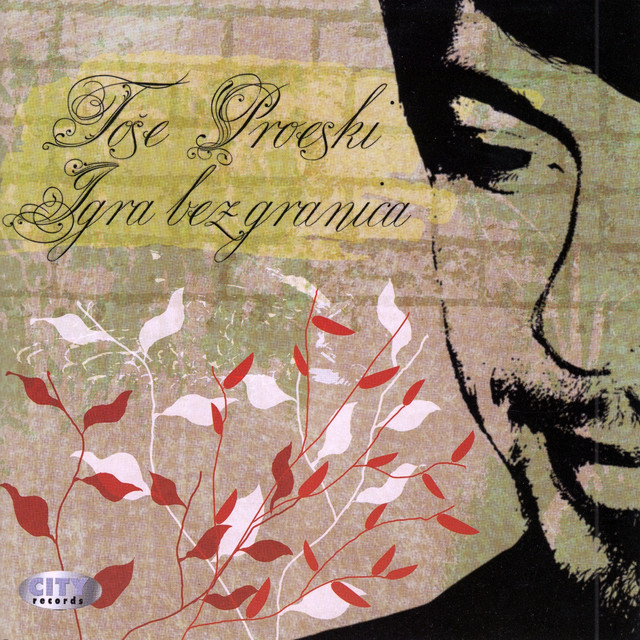
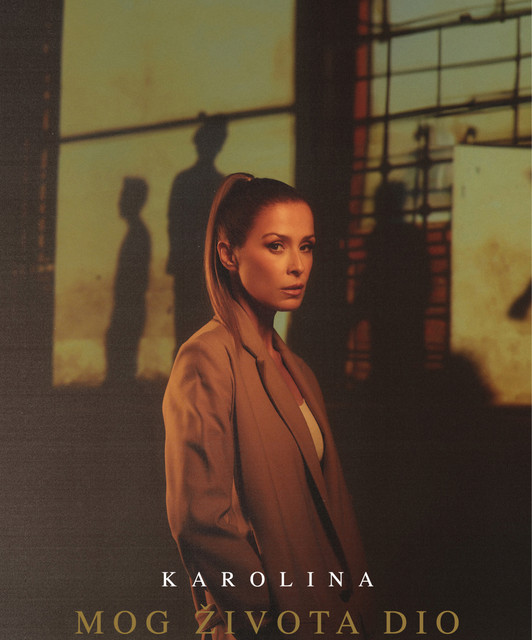
Among the genre’s most enduring ambassadors are Toše Proeski, Kaliopi, Karolina Gočeva, Elena Risteska, Tamara Todevska, and Vlado Janevski. Toše Proeski became a symbol of Macedonian pop across the Balkans and beyond, celebrated for his powerful voice and emotionally charged songs before his untimely passing in 2007. Kaliopi has been a longtime emblem of vocal prowess and eclectic styling, bridging rock-tinged anthems and pop ballads. Karolina Gočeva rose to fame with intimate pop and polished ballads that have remained staple listens for fans. Elena Risteska broke through with a cross-over appeal in the mid-2000s, while Tamara Todevska has continued to push the genre onto the European stage, notably representing North Macedonia in Eurovision with the widely acclaimed “Proud.” Vlado Janevski, one of the early pop icons and a Eurovision veteran, helped lay the groundwork for a pop culture with broad regional reach.
The genre’s Eurovision presence has helped export Macedonian pop beyond its borders, with artists like Elena Risteska (2006), Kaliopi (2012), and Tamara Todevska (2019) reaching continental audiences. Outside the Eurovision spotlight, Macedonian pop enjoys a solid following throughout the Western Balkans—Serbia, Bosnia and Herzegovina, Albania, and Bulgaria—where shared linguistic and cultural ties create a receptive listening environment. The Macedonian diaspora in Australia, Canada, the United States, Germany, and Sweden also keeps the music alive abroad, often via streaming platforms and live shows.
Musically, Macedonian pop frequently features melodic, soaring vocal lines, lyrical storytelling, and lush, radio-friendly production. It can swing from intimate piano ballads to up-tempo dance tracks, with occasional fusions of traditional instruments like kaval, bagpipe, and tambura. The genre’s soul is in its emotional delivery—songs that blend longing with resilience, wrapped in melodies that stay with you long after the last note.
For enthusiasts, Macedonian pop offers a gateway into a rich, emotionally honest Balkan pop tradition. It’s a genre that respects its roots while chasing contemporary soundscapes, always inviting listeners to sing along and discover a culture’s modern heartbeat.
The genre began to take shape in the late 1980s and into the 1990s, as North Macedonia (then part of Yugoslavia) opened up to more diverse popular influences while still drawing on the local folk tradition, including distinctive wonky-time dances and modal melodies. Early artists and producers experimented with glossy studio pop, orchestral arrangements, and folk-inflected motifs. By the late 1990s and into the 2000s, a generation of pop stars emerged from Skopje and beyond, turning Macedonian pop into a recognizable regional force. The sound matured through a synthesis of lush ballads, catchy dance-pop, and stadium-ready choruses.
Among the genre’s most enduring ambassadors are Toše Proeski, Kaliopi, Karolina Gočeva, Elena Risteska, Tamara Todevska, and Vlado Janevski. Toše Proeski became a symbol of Macedonian pop across the Balkans and beyond, celebrated for his powerful voice and emotionally charged songs before his untimely passing in 2007. Kaliopi has been a longtime emblem of vocal prowess and eclectic styling, bridging rock-tinged anthems and pop ballads. Karolina Gočeva rose to fame with intimate pop and polished ballads that have remained staple listens for fans. Elena Risteska broke through with a cross-over appeal in the mid-2000s, while Tamara Todevska has continued to push the genre onto the European stage, notably representing North Macedonia in Eurovision with the widely acclaimed “Proud.” Vlado Janevski, one of the early pop icons and a Eurovision veteran, helped lay the groundwork for a pop culture with broad regional reach.
The genre’s Eurovision presence has helped export Macedonian pop beyond its borders, with artists like Elena Risteska (2006), Kaliopi (2012), and Tamara Todevska (2019) reaching continental audiences. Outside the Eurovision spotlight, Macedonian pop enjoys a solid following throughout the Western Balkans—Serbia, Bosnia and Herzegovina, Albania, and Bulgaria—where shared linguistic and cultural ties create a receptive listening environment. The Macedonian diaspora in Australia, Canada, the United States, Germany, and Sweden also keeps the music alive abroad, often via streaming platforms and live shows.
Musically, Macedonian pop frequently features melodic, soaring vocal lines, lyrical storytelling, and lush, radio-friendly production. It can swing from intimate piano ballads to up-tempo dance tracks, with occasional fusions of traditional instruments like kaval, bagpipe, and tambura. The genre’s soul is in its emotional delivery—songs that blend longing with resilience, wrapped in melodies that stay with you long after the last note.
For enthusiasts, Macedonian pop offers a gateway into a rich, emotionally honest Balkan pop tradition. It’s a genre that respects its roots while chasing contemporary soundscapes, always inviting listeners to sing along and discover a culture’s modern heartbeat.