Genre
magyar alternative
Top Magyar alternative Artists
Showing 25 of 60 artists














About Magyar alternative
Magyar alternative, or Hungarian alternative, is not a single sonic recipe but a living federation of sounds that grew where Budapest’s basements, student clubs, and radio airwaves intersected with the broader currents of Western indie, post-punk, and electronic experimentation. It’s the long shadow of Hungary’s late-20th-century cultural shift refracted through Hungarian lyrics, restless guitars, and a restless appetite for hybrid forms.
Origins and evolution
The genre’s roots stretch from the late 1980s into the 1990s, a period when Hungary opened to new cultural references after decades of isolation. Bands began writing in Hungarian, choosing melodic hooks and unexpected twists over glossy conformity. Early pioneers laid a trail that later generations would expand: post-punk urgency, folk textures, and a growing willingness to fuse rock with electronics, jazz-infused grooves, and experimental sound design. By the 1990s and into the 2000s, Magyar alternative entered a phase of prolific cross-pollination, moving from crowded club basements to festival stages, and increasingly into the consciousness of listeners beyond national borders.
Musical character
What unites Magyar alternative is its emphasis on lyricism as a core instrument, often literate, playful, or provocatively sardonic, sung in Hungarian. Instrumentally, it thrives on a spectrum—from jangly indie guitars and tight rhythm sections to synths, samples, and looped textures. The genre rewards ingenuity: songs may veer from intimate confessionals to exuberant, danceable bursts; arrangements swing between minimalism and experimental maximalism; and many acts embrace a DIY ethic alongside polished studio craft. The result is a distinctly Central European sensibility: melodic hooks anchored by language-specific turns of phrase, with a willingness to bend genre boundaries rather than chase global trends.
Key artists and ambassadors
Several acts are frequently cited as touchstones or ambassadors of the Magyar alternative ethos:
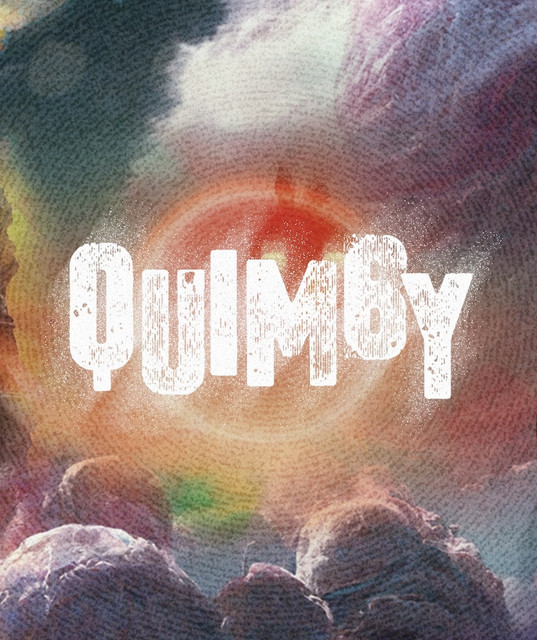
- Quimby — a flagship Budapest act known for witty, kaleidoscopic lyricism and fearless genre-hopping.
- Kispál és a Borz — one of the most influential early Hungarian indie-rock outfits, blending catchy melodies with subversive humor.
- Európa Kiadó — a post-punk pioneer whose stark atmospheres and experimental edge helped shape the scene’s darker, more avant-garde side.
- Anima Sound System — a bridge to electronic-infused alternative forms, mixing danceable beats with indie sensibilities.
- The Moog — an emblem of the late-2000s Hungarian electronic-leaning indie sound, where synths meet pop hooks.
- Colorstar — a representative of the late-90s/early-2000s Hungarian indie-pop/alternative crossover, pushing the melodic envelope.
Geography and audience
Magyar alternative is most vibrant in Hungary, where it has deep roots in Budapest’s clubs and on national radio. It also finds resonance in neighboring countries with sizable Hungarian-speaking communities—Slovakia, Romania (Transylvania and beyond), and Serbia—where artists often tour and festival stages welcome bilingual or Hungarian-language acts. The Hungarian diaspora in Austria, Germany, the UK, North America, and beyond keeps listening habits diverse, with Bandcamp, streaming platforms, and small-label reissues helping to maintain a transnational conversation.
Why it matters
Magyar alternative is more than a sound; it’s a mode of cultural self-expression that respects poetry as much as guitar tone, and improvisation as much as composition. It reflects a particular Central European experience—a blend of humor, melancholy, resilience, and a stubborn optimism about language and music. For enthusiasts, it offers a journey through sound worlds that are unmistakably Hungarian yet universally legible, inviting listeners to discover the textures that emerge when tradition meets experimentation.
Origins and evolution
The genre’s roots stretch from the late 1980s into the 1990s, a period when Hungary opened to new cultural references after decades of isolation. Bands began writing in Hungarian, choosing melodic hooks and unexpected twists over glossy conformity. Early pioneers laid a trail that later generations would expand: post-punk urgency, folk textures, and a growing willingness to fuse rock with electronics, jazz-infused grooves, and experimental sound design. By the 1990s and into the 2000s, Magyar alternative entered a phase of prolific cross-pollination, moving from crowded club basements to festival stages, and increasingly into the consciousness of listeners beyond national borders.
Musical character
What unites Magyar alternative is its emphasis on lyricism as a core instrument, often literate, playful, or provocatively sardonic, sung in Hungarian. Instrumentally, it thrives on a spectrum—from jangly indie guitars and tight rhythm sections to synths, samples, and looped textures. The genre rewards ingenuity: songs may veer from intimate confessionals to exuberant, danceable bursts; arrangements swing between minimalism and experimental maximalism; and many acts embrace a DIY ethic alongside polished studio craft. The result is a distinctly Central European sensibility: melodic hooks anchored by language-specific turns of phrase, with a willingness to bend genre boundaries rather than chase global trends.
Key artists and ambassadors
Several acts are frequently cited as touchstones or ambassadors of the Magyar alternative ethos:
- Quimby — a flagship Budapest act known for witty, kaleidoscopic lyricism and fearless genre-hopping.
- Kispál és a Borz — one of the most influential early Hungarian indie-rock outfits, blending catchy melodies with subversive humor.
- Európa Kiadó — a post-punk pioneer whose stark atmospheres and experimental edge helped shape the scene’s darker, more avant-garde side.
- Anima Sound System — a bridge to electronic-infused alternative forms, mixing danceable beats with indie sensibilities.
- The Moog — an emblem of the late-2000s Hungarian electronic-leaning indie sound, where synths meet pop hooks.
- Colorstar — a representative of the late-90s/early-2000s Hungarian indie-pop/alternative crossover, pushing the melodic envelope.
Geography and audience
Magyar alternative is most vibrant in Hungary, where it has deep roots in Budapest’s clubs and on national radio. It also finds resonance in neighboring countries with sizable Hungarian-speaking communities—Slovakia, Romania (Transylvania and beyond), and Serbia—where artists often tour and festival stages welcome bilingual or Hungarian-language acts. The Hungarian diaspora in Austria, Germany, the UK, North America, and beyond keeps listening habits diverse, with Bandcamp, streaming platforms, and small-label reissues helping to maintain a transnational conversation.
Why it matters
Magyar alternative is more than a sound; it’s a mode of cultural self-expression that respects poetry as much as guitar tone, and improvisation as much as composition. It reflects a particular Central European experience—a blend of humor, melancholy, resilience, and a stubborn optimism about language and music. For enthusiasts, it offers a journey through sound worlds that are unmistakably Hungarian yet universally legible, inviting listeners to discover the textures that emerge when tradition meets experimentation.