Genre
c-pop
Top C-pop Artists
Showing 25 of 4,294 artists

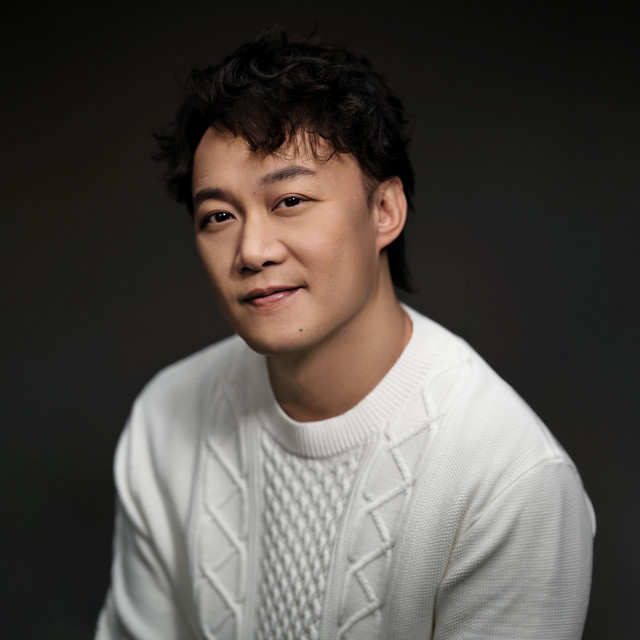


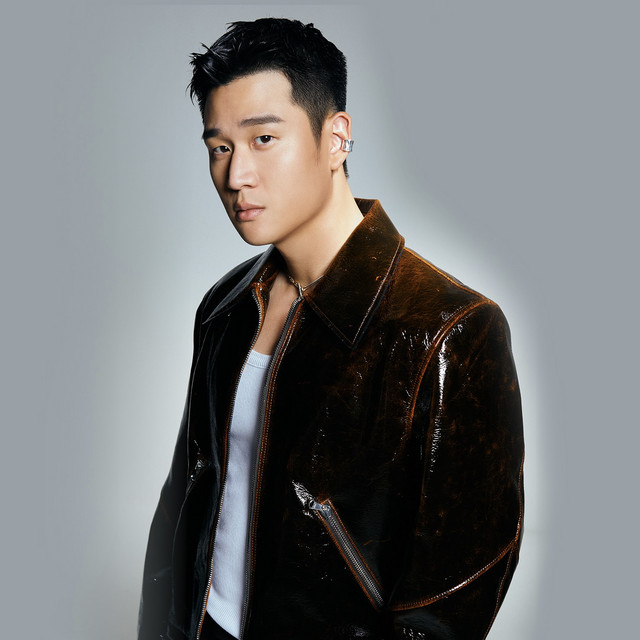
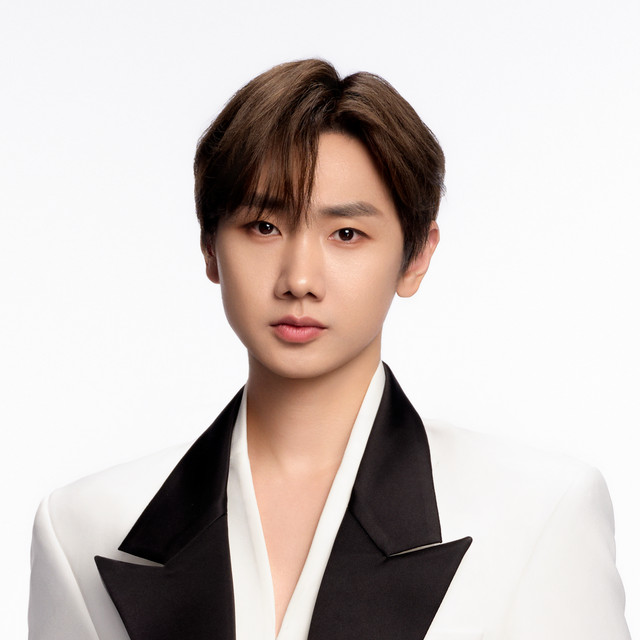

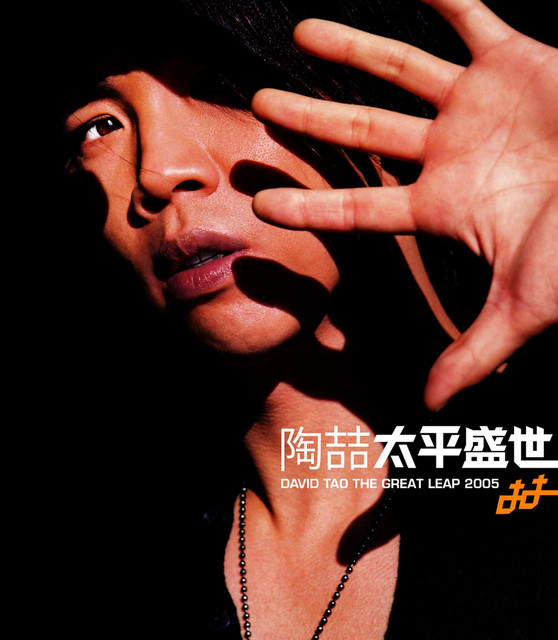



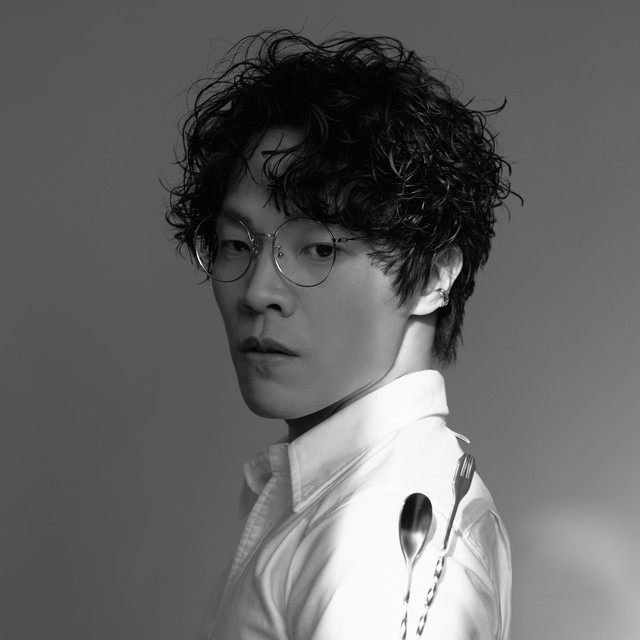
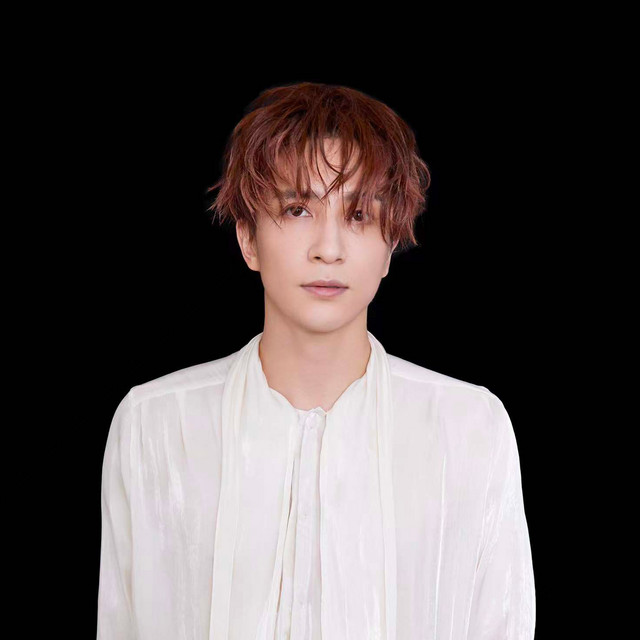
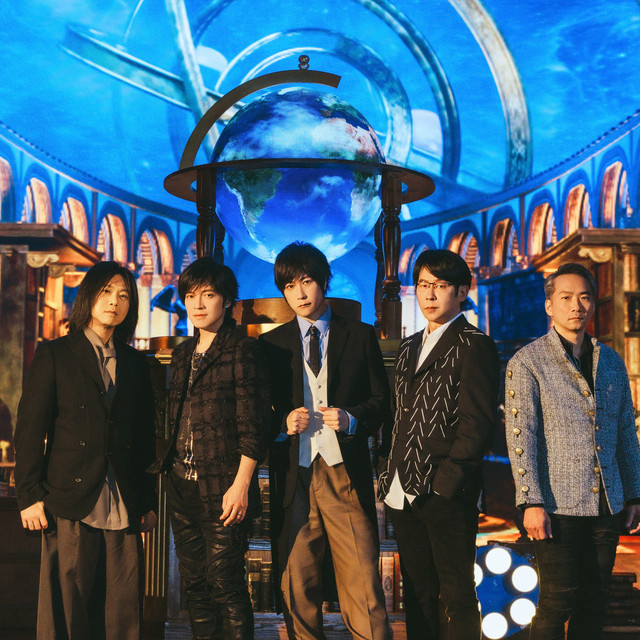


22

告五人
Taiwan
1.2 million
1.2 million listeners
23

單依純
252,636
1.2 million listeners

25
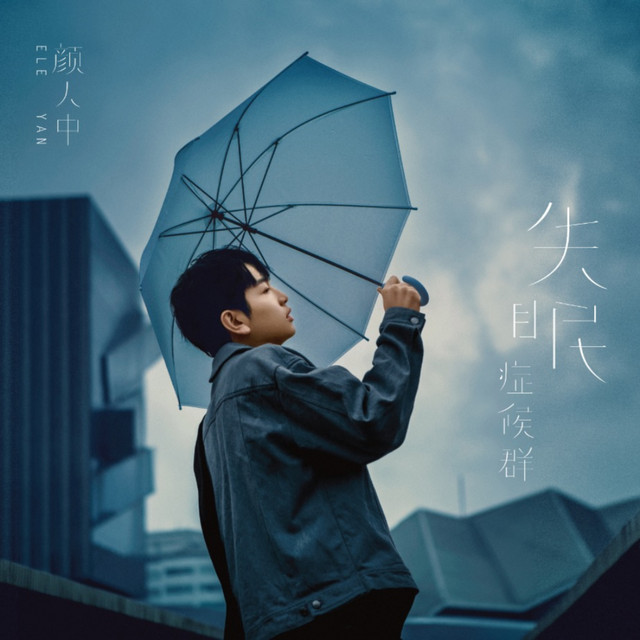
颜人中
439,308
1.2 million listeners
About C-pop
C-pop is the umbrella term for Chinese-language popular music, spanning Mandarin pop (Mandopop) and Cantonese pop (Cantopop), along with other dialect-inflected styles that travel across borders. It isn’t a single sound but a spectrum—from hooky club anthems to intimate ballads—generated by regional scenes that feed each other through studios, stages, and streaming. Its roots lie in the late 20th century: Cantopop emerges from Hong Kong’s vibrant music-and-film ecosystem, weaving Western pop with Cantonese lyric tradition; Mandopop takes shape in Taiwan, where drama soundtracks and studio pop created a parallel current that would soon travel beyond the island. Both streams expanded outward as radio, television, and, later, digital platforms stitched Greater China to a worldwide audience.
Cantopop’s birth in the 1970s–80s gave Hong Kong a glossy, performance-driven pop culture. Pioneers such as Samuel Hui, Anita Mui, Jacky Cheung, and Leslie Cheung turned career longevity into an art, while TVB and film lore spread songs through cinema-adjacent celebrity. The sound matured through lush arrangements, clever wordplay, and memorable melodies that could echo across clubs and concert halls. Mandopop, by contrast, flourished in Taiwan’s dynamic pop ecology. Teresa Teng’s timeless ballads redefined Mandarin romance and became a passport for Mandarin pop across Asia. The 1990s and 2000s produced a generation of stars—Jay Chou, Jolin Tsai, Leehom Wang, Stefanie Sun, Will Pan—who fused Chinese musical sensibilities with hip-hop, R&B, rock, and electronic textures, pushing Mandopop toward a global audience. By the 2000s, streaming and cross-border collaborations turned Mandarin pop into a pan-Asian lingua franca.
What unites Cantopop and Mandopop under C-pop is craft, language, and adaptability. The genre’s sounds range from soaring ballads to punchy dance tunes, with influences drawn from rock, electro, hip-hop, and traditional Chinese musical ideas—sometimes all within a single track. Its industry infrastructure—major awards, televised music shows, and robust touring networks—sustains star icons who become ambassadors for the whole scene.
Geographically, C-pop thrives in Mainland China, Taiwan, and Hong Kong, with vibrant scenes in Singapore and Malaysia. Its reach extends to the Chinese diaspora in North America, Europe, and Australasia via streaming, social media, and cross-cultural collabs that bring together Mandarin, Cantonese, and other dialects. Artists routinely blend languages and styles, creating a polyglot pop language that travels as easily as it sings.
Ambassadors include Teresa Teng, whose Mandarin ballads are touchstones across generations; Jay Chou, who reimagined Mandopop with Chinese textures and contemporary production; Faye Wong, whose ethereal voice crossed genres; and contemporary stars such as G.E.M., Leehom Wang, Jolin Tsai, and JJ Lin who push the genre forward. For enthusiasts, C-pop is a living archive of language and melody—history and horizon in one.
Cantopop’s birth in the 1970s–80s gave Hong Kong a glossy, performance-driven pop culture. Pioneers such as Samuel Hui, Anita Mui, Jacky Cheung, and Leslie Cheung turned career longevity into an art, while TVB and film lore spread songs through cinema-adjacent celebrity. The sound matured through lush arrangements, clever wordplay, and memorable melodies that could echo across clubs and concert halls. Mandopop, by contrast, flourished in Taiwan’s dynamic pop ecology. Teresa Teng’s timeless ballads redefined Mandarin romance and became a passport for Mandarin pop across Asia. The 1990s and 2000s produced a generation of stars—Jay Chou, Jolin Tsai, Leehom Wang, Stefanie Sun, Will Pan—who fused Chinese musical sensibilities with hip-hop, R&B, rock, and electronic textures, pushing Mandopop toward a global audience. By the 2000s, streaming and cross-border collaborations turned Mandarin pop into a pan-Asian lingua franca.
What unites Cantopop and Mandopop under C-pop is craft, language, and adaptability. The genre’s sounds range from soaring ballads to punchy dance tunes, with influences drawn from rock, electro, hip-hop, and traditional Chinese musical ideas—sometimes all within a single track. Its industry infrastructure—major awards, televised music shows, and robust touring networks—sustains star icons who become ambassadors for the whole scene.
Geographically, C-pop thrives in Mainland China, Taiwan, and Hong Kong, with vibrant scenes in Singapore and Malaysia. Its reach extends to the Chinese diaspora in North America, Europe, and Australasia via streaming, social media, and cross-cultural collabs that bring together Mandarin, Cantonese, and other dialects. Artists routinely blend languages and styles, creating a polyglot pop language that travels as easily as it sings.
Ambassadors include Teresa Teng, whose Mandarin ballads are touchstones across generations; Jay Chou, who reimagined Mandopop with Chinese textures and contemporary production; Faye Wong, whose ethereal voice crossed genres; and contemporary stars such as G.E.M., Leehom Wang, Jolin Tsai, and JJ Lin who push the genre forward. For enthusiasts, C-pop is a living archive of language and melody—history and horizon in one.