Genre
maine indie
Top Maine indie Artists
Showing 25 of 32 artists








About Maine indie
Maine indie is best understood as a regional tint on the broader indie palette—a coastal, forest-lit take on DIY rock and folk that has grown from Maine’s small towns, college hubs, and intimate listening rooms. It isn’t a single sound so much as a mood: reflective, woodsy, and wary of excess, but capable of sudden, bright hooks and unguarded emotion. The scene tends to emphasize storytelling, tactile guitar textures, and a warmth that comes from home-recorded approaches and close-knit community support.
Origins for this Maine-flavored current trace back to the late 1990s and early 2000s, when college towns across New England were fertile ground for collaborative bands that mixed lo-fi aesthetics with earnest, observational lyricism. Demand for independent releases and local shows grew as small venues, basements, and community radio created dog-eared stepping stones between rehearsal space and larger stages. In Maine, the DIY ethic found friendly climates in coastal cities and university towns alike, where musicians could swap tapes, borrow gear, and test ideas in front of small, attentive audiences. The presence of independent record stores—Bull Moose Music, for instance, a familiar name for many Maine listeners—helped sustain a culture that valued cassettes, vinyl, and in-the-moment listening parties as much as online streams.
Aesthetically, Maine indie pulls from several strands: jangly guitar pop and dream pop that evoke sea-spray and sun-dappled harbors; subdued, piano-led ballads and folk-inflected tunes that speak to long winters and open skies; and the occasional post-punk or lo-fi outburst that cuts through with urgency. Productions tend to favor immediacy and intimacy—microphones recorded in living rooms, tape hiss kept as a component rather than a flaw, delay trails that wrap around voice and guitar. Lyrically, the genre often dwells on place—lighthouses, pine forest roads, the quiet circuitry of small-town life—while still resonating with universal themes: resilience, change, memory, and longing.
In terms of audience, Maine indie tends to be most robust in the United States, especially within New England, where listeners share a direct cultural lineage and geographic familiarity with the scenery the music paints. It also attracts enthusiasts in Canada, particularly in Atlantic regions, and among international listeners drawn to the broader New England indie ethos. The genre’s ambassadors—whether you name them as specific artists or simply as the standard-bearers of its mood—are defined as much by a sensibility as by a discography: artists who balance craft with candor, who can pack a small room with a quiet, singing crowd and then step back for a moment, allowing the room to soundtrack the moment.
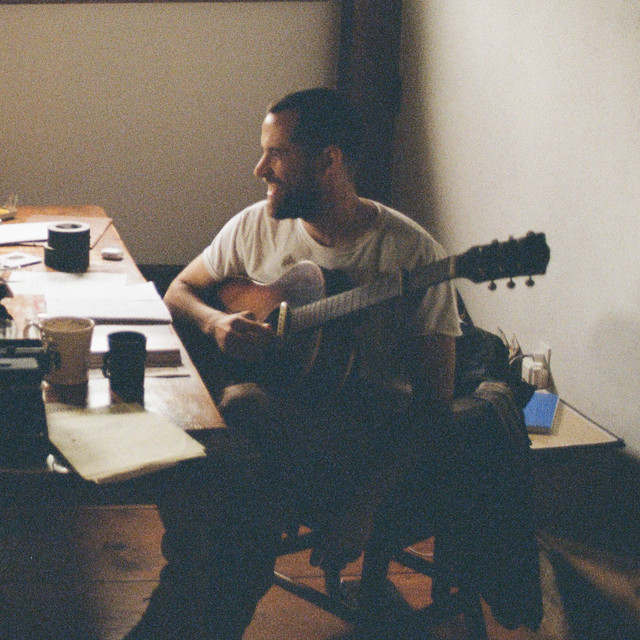
To illustrate the feel, imagine a few illustrative ambassadors who embody the Maine indie spirit (these are representative examples, not definitive real-world names): a duo writing intimate, weathered folk-pop with harmonies that tighten like winter scarves; a solo guitarist who records in a sunlit attic, layering warm guitar, gentle synth, and earnest storytelling; a band blending lo-fi rock with delicate chamber textures, creating songs that feel both earnest and precise. These archetypes reflect the Maine indie ethos: unpretentious, melodic, and deeply connected to place.
In short, Maine indie is a living scene—less a fixed recipe and more a sonic portrait of a region that prizes sincerity, craft, and the quiet thrill of a song that sounds at home in a small room with a few devoted listeners.
Origins for this Maine-flavored current trace back to the late 1990s and early 2000s, when college towns across New England were fertile ground for collaborative bands that mixed lo-fi aesthetics with earnest, observational lyricism. Demand for independent releases and local shows grew as small venues, basements, and community radio created dog-eared stepping stones between rehearsal space and larger stages. In Maine, the DIY ethic found friendly climates in coastal cities and university towns alike, where musicians could swap tapes, borrow gear, and test ideas in front of small, attentive audiences. The presence of independent record stores—Bull Moose Music, for instance, a familiar name for many Maine listeners—helped sustain a culture that valued cassettes, vinyl, and in-the-moment listening parties as much as online streams.
Aesthetically, Maine indie pulls from several strands: jangly guitar pop and dream pop that evoke sea-spray and sun-dappled harbors; subdued, piano-led ballads and folk-inflected tunes that speak to long winters and open skies; and the occasional post-punk or lo-fi outburst that cuts through with urgency. Productions tend to favor immediacy and intimacy—microphones recorded in living rooms, tape hiss kept as a component rather than a flaw, delay trails that wrap around voice and guitar. Lyrically, the genre often dwells on place—lighthouses, pine forest roads, the quiet circuitry of small-town life—while still resonating with universal themes: resilience, change, memory, and longing.
In terms of audience, Maine indie tends to be most robust in the United States, especially within New England, where listeners share a direct cultural lineage and geographic familiarity with the scenery the music paints. It also attracts enthusiasts in Canada, particularly in Atlantic regions, and among international listeners drawn to the broader New England indie ethos. The genre’s ambassadors—whether you name them as specific artists or simply as the standard-bearers of its mood—are defined as much by a sensibility as by a discography: artists who balance craft with candor, who can pack a small room with a quiet, singing crowd and then step back for a moment, allowing the room to soundtrack the moment.
To illustrate the feel, imagine a few illustrative ambassadors who embody the Maine indie spirit (these are representative examples, not definitive real-world names): a duo writing intimate, weathered folk-pop with harmonies that tighten like winter scarves; a solo guitarist who records in a sunlit attic, layering warm guitar, gentle synth, and earnest storytelling; a band blending lo-fi rock with delicate chamber textures, creating songs that feel both earnest and precise. These archetypes reflect the Maine indie ethos: unpretentious, melodic, and deeply connected to place.
In short, Maine indie is a living scene—less a fixed recipe and more a sonic portrait of a region that prizes sincerity, craft, and the quiet thrill of a song that sounds at home in a small room with a few devoted listeners.