Genre
malagasy folk
Top Malagasy folk Artists
Showing 25 of 74 artists












About Malagasy folk
Malagasy folk is the music of Madagascar’s diverse cultural heart, a living soundscape built on centuries of oral tradition and a distinctive set of instruments that color the island’s melodies. It encompasses village chants, theatre-influenced performances, and intimate solo and ensemble pieces that together form a world rich in storytelling, ritual, and daily life. At the core are acoustic textures, heartfelt vocal lines, and a subtle tension between ancient forms and contemporary experiment, making Malagasy folk a flexible, expressive field for listeners who crave authenticity and discovery.
Origins and forms
Many Malagasy traditions are rooted in precolonial and early colonial exchanges, with outsiders and islanders blending indigenous melodies with African, Arab, Indian, and Southeast Asian inflections. One emblematic tradition is Hira Gasy, a festive performance born in the highlands around Antananarivo in the 19th century. Hira Gasy blends singing, dance, theatre, and satire, performed in public squares by rotating casts of singers and musicians. It helped shape a performance culture where narrative and music go hand in hand, often addressing social values, humor, and current events. Across the island, village communities kept alive diverse repertoires, while urban ensembles began to fuse folk roots with newer sounds.
Instruments and musical language
Malagasy folk relies on a small set of beloved instruments that give the music its unmistakable color. The valiha, a bamboo tube zither considered a national symbol, provides shimmering, bell-like lines. The kabosy, a compact wooden guitar-like instrument with four to six strings, brings warm, jangly chords and melodic snapshots. The marovany, a box zither with a soft tremolo, adds rhythmic and harmonic shimmer. The lokanga, a bow-strung lyre, adds lyrical, plaintive textures. Vocals often feature call-and-response and polyphonic layering, with regional tuning and modes that give Malagasy folk its characteristic openness and emotional immediacy. The result is music that can be spare and intimate or exuberant and communal, always text-driven and narrative in spirit.
Historical arc and ambassadors
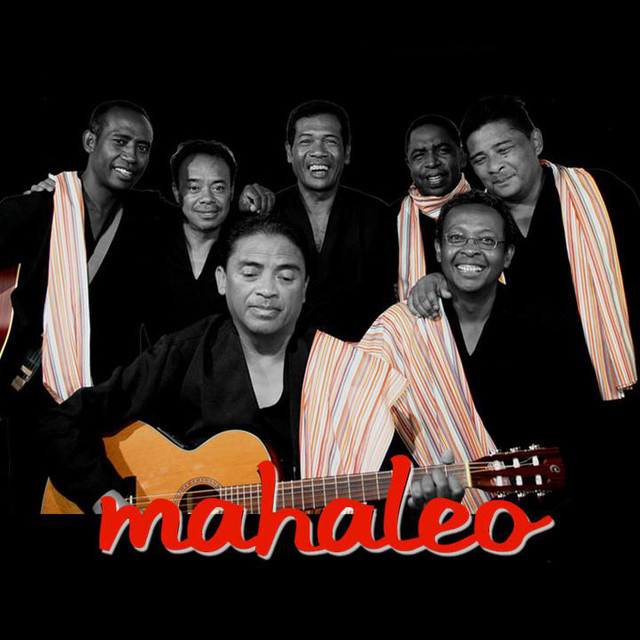
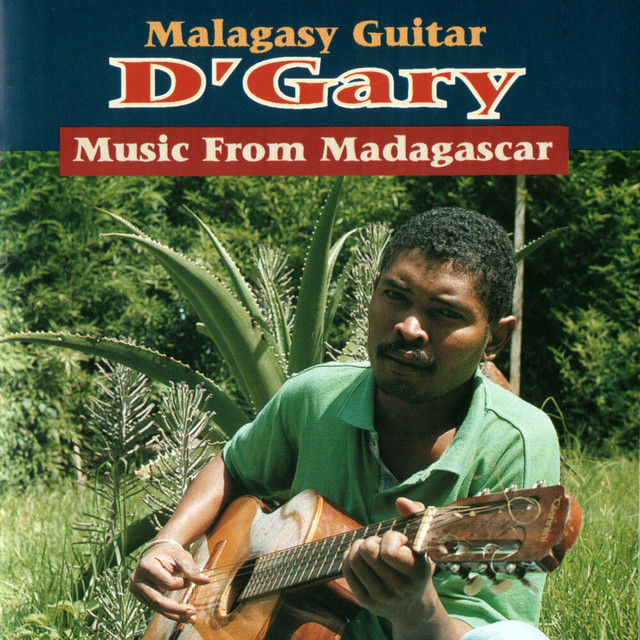
In the post-independence era, Malagasy folk evolved through both preservation and innovation. The 20th century saw bands and composers bring rural forms into the concert hall and the studio, enabling a broader audience to encounter Madagascar’s sonic languages. Today, several artists and groups are widely regarded as ambassadors of Malagasy folk to the world. Mahaleo, formed in the 1970s, fused traditional song with social and political commentary and became a touchstone for Malagasy identity in song. Tarika, a high-profile ensemble, spent years touring internationally, presenting a toolkit of Malagasy roots married to global influences. On the guitar frontier, D’Gary is celebrated for his blues-inflected Malagasy playing that honors tradition while pushing its expressive envelope. These figures—alongside a wave of contemporary singers and instrumentalists—have helped the genre travel from village gatherings to world music stages.
Global reach and popularity
Malagasy folk is most at home in Madagascar, where it remains a central cultural voice. It also resonates with the Malagasy diaspora in Réunion, Mauritius, France, and Canada, and has found niche audiences in the United States and other parts of Europe through world music programming. Festivals, concert series, and label releases continue to introduce the genre’s subtleties to curious listeners who seek music with deep roots, poetic storytelling, and an honest, unpolished instrument voice.
Origins and forms
Many Malagasy traditions are rooted in precolonial and early colonial exchanges, with outsiders and islanders blending indigenous melodies with African, Arab, Indian, and Southeast Asian inflections. One emblematic tradition is Hira Gasy, a festive performance born in the highlands around Antananarivo in the 19th century. Hira Gasy blends singing, dance, theatre, and satire, performed in public squares by rotating casts of singers and musicians. It helped shape a performance culture where narrative and music go hand in hand, often addressing social values, humor, and current events. Across the island, village communities kept alive diverse repertoires, while urban ensembles began to fuse folk roots with newer sounds.
Instruments and musical language
Malagasy folk relies on a small set of beloved instruments that give the music its unmistakable color. The valiha, a bamboo tube zither considered a national symbol, provides shimmering, bell-like lines. The kabosy, a compact wooden guitar-like instrument with four to six strings, brings warm, jangly chords and melodic snapshots. The marovany, a box zither with a soft tremolo, adds rhythmic and harmonic shimmer. The lokanga, a bow-strung lyre, adds lyrical, plaintive textures. Vocals often feature call-and-response and polyphonic layering, with regional tuning and modes that give Malagasy folk its characteristic openness and emotional immediacy. The result is music that can be spare and intimate or exuberant and communal, always text-driven and narrative in spirit.
Historical arc and ambassadors
In the post-independence era, Malagasy folk evolved through both preservation and innovation. The 20th century saw bands and composers bring rural forms into the concert hall and the studio, enabling a broader audience to encounter Madagascar’s sonic languages. Today, several artists and groups are widely regarded as ambassadors of Malagasy folk to the world. Mahaleo, formed in the 1970s, fused traditional song with social and political commentary and became a touchstone for Malagasy identity in song. Tarika, a high-profile ensemble, spent years touring internationally, presenting a toolkit of Malagasy roots married to global influences. On the guitar frontier, D’Gary is celebrated for his blues-inflected Malagasy playing that honors tradition while pushing its expressive envelope. These figures—alongside a wave of contemporary singers and instrumentalists—have helped the genre travel from village gatherings to world music stages.
Global reach and popularity
Malagasy folk is most at home in Madagascar, where it remains a central cultural voice. It also resonates with the Malagasy diaspora in Réunion, Mauritius, France, and Canada, and has found niche audiences in the United States and other parts of Europe through world music programming. Festivals, concert series, and label releases continue to introduce the genre’s subtleties to curious listeners who seek music with deep roots, poetic storytelling, and an honest, unpolished instrument voice.