Genre
malagasy pop
Top Malagasy pop Artists
Showing 25 of 68 artists










About Malagasy pop
Malagasy pop, or pop malgache, is the contemporary public face of Madagascar’s music, a vibrant fusion that sits between tradition and global pop. It gathers a wide spectrum of sounds—from Malagasy folk and coastal rhythms to Western pop, rock, hip-hop, and electronic production—while keeping lyrics in Malagasy or incorporating French and local dialects. The result is music that is immediately danceable, emotionally direct, and culturally specific, yet accessible to listeners around the world who crave energetic melodies and rhythmic innovation.
Born from a late-20th-century crossroads, Malagasy pop really began to take shape in the 1980s and 1990s in Antananarivo and other urban centers. Artists started writing songs in Malagasy that could still sit comfortably on radio playlists and nightclubs, layering guitars, keyboards, and drum machines over traditional textures. This period marked a shift from purely folk or political protest music toward sounds that appealed to a broader audience, while still reflecting Madagascar’s rich musical heritage—valihas, kabosys, lokangas, and marovany drones weaving through contemporary arrangements. The cassette and radio culture of the era helped those sounds cross town and district lines, laying the groundwork for a distinctly Malagasy pop identity.
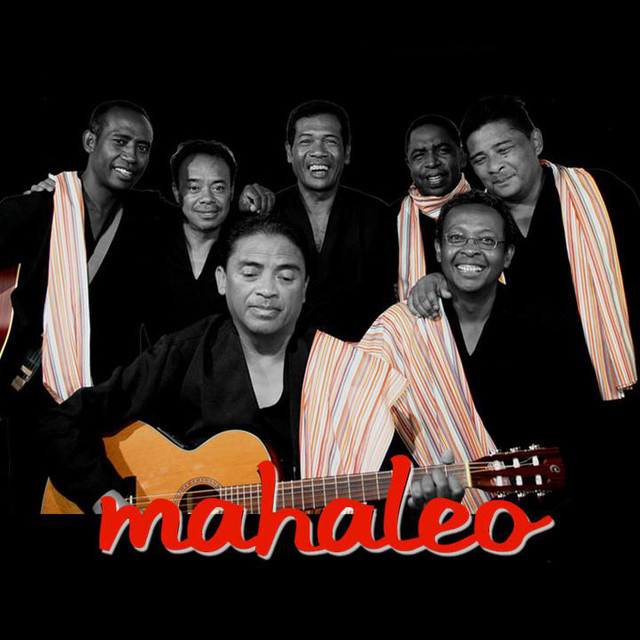
Several figures and groups are widely regarded as ambassadors of the genre. Tarika, a pioneering ensemble formed in the late 1980s, fused Malagasy roots with rock and world-music sensibilities, proving that village melodies and city electricity could coexist on the same stage. Mahaleo, though formed in the 1970s, remained a touchstone for the social consciousness and melodic clarity that many later Malagasy pop acts sought to honor. In the modern era, Jaojoby—often celebrated as the king of salegy, a high-energy coastal dance rhythm—carried a distinctly Malagasy voltage onto international stages, helping Madagascar’s pop-inflected sound reach dance floors and festival crowds far beyond the island. Together, these artists show how Malagasy pop sits at the crossroads of local identity and global popular music.
Malagasy pop is strongest in Madagascar’s major cities—Antananarivo, Toamasina, and Antsiranana—where recording studios, radio, and venues nurture new songs every season. It also circulates through Madagascar’s diaspora communities in France and across the Indian Ocean, including Réunion and Mauritius, where listeners crave music that feels both familiar and new. In recent years, streaming platforms and social media have accelerated its reach, allowing projects that blend hip-hop, R&B, and electronic music with Malagasy storytelling to find audiences in Europe, Africa, and the Americas.
Today’s Malagasy pop continues to redefine itself while preserving a sense of cultural continuity. It embraces collaborations, genre-blending productions, and bilingual or multilingual lyricism, yet returns repeatedly to the core Malagasy language and storytelling that give the scene its distinctive flavor. It’s a genre that invites both dance-floor energy and thoughtful listening, making it a compelling lens into Madagascar’s evolving popular culture.
Born from a late-20th-century crossroads, Malagasy pop really began to take shape in the 1980s and 1990s in Antananarivo and other urban centers. Artists started writing songs in Malagasy that could still sit comfortably on radio playlists and nightclubs, layering guitars, keyboards, and drum machines over traditional textures. This period marked a shift from purely folk or political protest music toward sounds that appealed to a broader audience, while still reflecting Madagascar’s rich musical heritage—valihas, kabosys, lokangas, and marovany drones weaving through contemporary arrangements. The cassette and radio culture of the era helped those sounds cross town and district lines, laying the groundwork for a distinctly Malagasy pop identity.
Several figures and groups are widely regarded as ambassadors of the genre. Tarika, a pioneering ensemble formed in the late 1980s, fused Malagasy roots with rock and world-music sensibilities, proving that village melodies and city electricity could coexist on the same stage. Mahaleo, though formed in the 1970s, remained a touchstone for the social consciousness and melodic clarity that many later Malagasy pop acts sought to honor. In the modern era, Jaojoby—often celebrated as the king of salegy, a high-energy coastal dance rhythm—carried a distinctly Malagasy voltage onto international stages, helping Madagascar’s pop-inflected sound reach dance floors and festival crowds far beyond the island. Together, these artists show how Malagasy pop sits at the crossroads of local identity and global popular music.
Malagasy pop is strongest in Madagascar’s major cities—Antananarivo, Toamasina, and Antsiranana—where recording studios, radio, and venues nurture new songs every season. It also circulates through Madagascar’s diaspora communities in France and across the Indian Ocean, including Réunion and Mauritius, where listeners crave music that feels both familiar and new. In recent years, streaming platforms and social media have accelerated its reach, allowing projects that blend hip-hop, R&B, and electronic music with Malagasy storytelling to find audiences in Europe, Africa, and the Americas.
Today’s Malagasy pop continues to redefine itself while preserving a sense of cultural continuity. It embraces collaborations, genre-blending productions, and bilingual or multilingual lyricism, yet returns repeatedly to the core Malagasy language and storytelling that give the scene its distinctive flavor. It’s a genre that invites both dance-floor energy and thoughtful listening, making it a compelling lens into Madagascar’s evolving popular culture.