Genre
malawian gospel
Top Malawian gospel Artists
Showing 10 of 10 artists
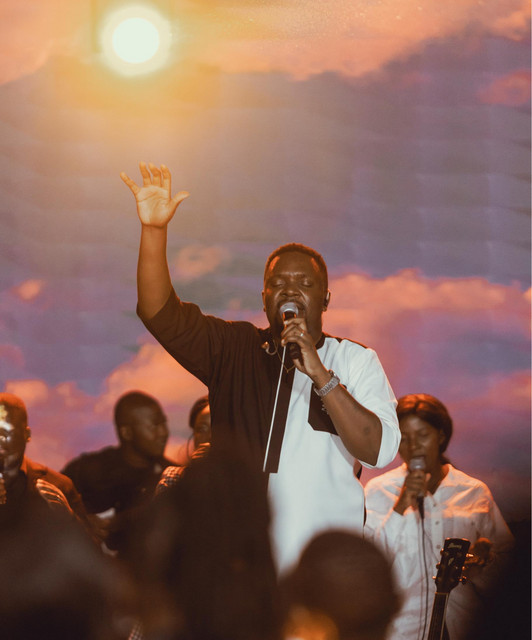





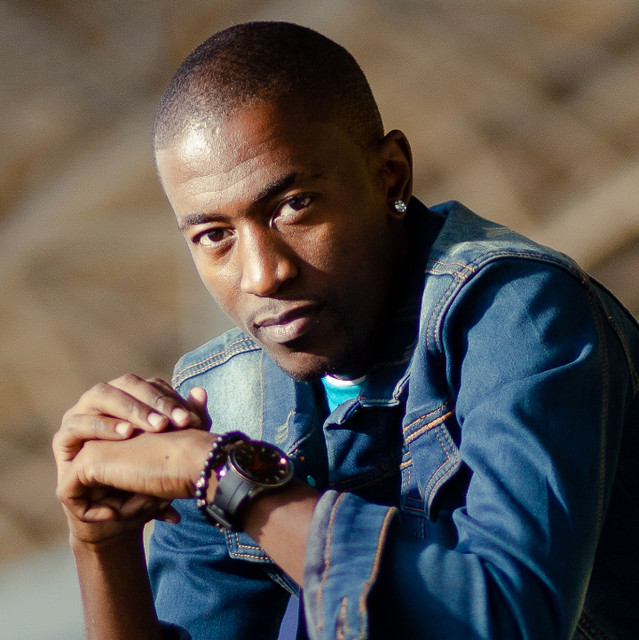
About Malawian gospel
Malawian gospel is a vibrant, spiritually charged corner of Africa's gospel landscape, rooted in the country's Christian communities but distinguished by its use of local rhythms, languages, and a forward-looking sound. It rose from church choirs and mission stations in the mid-20th century, as hymnals merged with the rhythms circulated through markets and roads. Over the decades it blended Afro-jazz, highlife and later reggae and contemporary R&B into a distinctly Malawian voice. Vocals are often warm and communal, with call-and-response patterns and lush harmonies that reflect Malawi's choral traditions. Languages vary by region, but many songs switch between Chichewa and English, sometimes touching on Chitumbuka or Yao for specific communities.
Instruments: keyboards and guitars drive the modern arrangements, while percussion—drums, congas, and traditional hand claps—provides the heartbeat. Themes center on faith, hope, social justice, and personal devotion, frequently performed in churches, at festivals, and on radio and online platforms.
Key artists and ambassadors: Wambali Mkandawire stands out as one of the genre's most internationally recognized voices, fusing gospel feeling with Afro-jazz textures and touring across Africa and Europe; his work helped elevate Malawian gospel beyond church walls. Other influential figures include contemporary soloists and choir leaders who anchor large gatherings in Blantyre and Lilongwe, as well as gospel groups that travel to missions and universities. In recent years, the Malawian gospel scene has grown through collaborations with African gospel stars and diaspora artists, expanding the sound with polished production, studio technology, and music videos.
Historical and cultural arc: Historically, Malawian gospel grew in the shadow of mission churches and later blossomed as radio and tape culture connected singers to wider audiences. The mid-to-late 20th century saw choirs and soloists blend local singing traditions with Western hymnody and highlife guitar lines, giving the music a groove-oriented spine that could fill church halls and town squares alike. In the 1980s and 1990s, independent labels and church networks helped codify a distinct Malawian gospel sound, while the digital era—cassette tapes, CDs, and now streaming—accelerated cross-border exchanges with neighboring countries and the diaspora. Contemporary scenes increasingly feature polished studio productions, music videos, and collaborations with gospel and secular artists from the region. Live, the music thrives on collective singing, extended praise segments, and danceable rhythms that invite participation from audiences of all ages.
Popularity and reach: It is primarily a Malawi staple, but has significant followings in neighboring Southern African countries such as Zambia and South Africa, as well as among Malawian diaspora communities in the United Kingdom, the United States, Canada, and parts of Europe. Streaming platforms and Christian radio have helped the genre reach youth listeners who appreciate a modern gospel language that still carries Malawian flavor.
Malawian gospel is not a monolith but a living ecosystem that honors tradition while embracing experimentation; it offers enthusiasts a doorway into Malawi's faith-inflected music and the everyday joys and struggles it voices.
Instruments: keyboards and guitars drive the modern arrangements, while percussion—drums, congas, and traditional hand claps—provides the heartbeat. Themes center on faith, hope, social justice, and personal devotion, frequently performed in churches, at festivals, and on radio and online platforms.
Key artists and ambassadors: Wambali Mkandawire stands out as one of the genre's most internationally recognized voices, fusing gospel feeling with Afro-jazz textures and touring across Africa and Europe; his work helped elevate Malawian gospel beyond church walls. Other influential figures include contemporary soloists and choir leaders who anchor large gatherings in Blantyre and Lilongwe, as well as gospel groups that travel to missions and universities. In recent years, the Malawian gospel scene has grown through collaborations with African gospel stars and diaspora artists, expanding the sound with polished production, studio technology, and music videos.
Historical and cultural arc: Historically, Malawian gospel grew in the shadow of mission churches and later blossomed as radio and tape culture connected singers to wider audiences. The mid-to-late 20th century saw choirs and soloists blend local singing traditions with Western hymnody and highlife guitar lines, giving the music a groove-oriented spine that could fill church halls and town squares alike. In the 1980s and 1990s, independent labels and church networks helped codify a distinct Malawian gospel sound, while the digital era—cassette tapes, CDs, and now streaming—accelerated cross-border exchanges with neighboring countries and the diaspora. Contemporary scenes increasingly feature polished studio productions, music videos, and collaborations with gospel and secular artists from the region. Live, the music thrives on collective singing, extended praise segments, and danceable rhythms that invite participation from audiences of all ages.
Popularity and reach: It is primarily a Malawi staple, but has significant followings in neighboring Southern African countries such as Zambia and South Africa, as well as among Malawian diaspora communities in the United Kingdom, the United States, Canada, and parts of Europe. Streaming platforms and Christian radio have helped the genre reach youth listeners who appreciate a modern gospel language that still carries Malawian flavor.
Malawian gospel is not a monolith but a living ecosystem that honors tradition while embracing experimentation; it offers enthusiasts a doorway into Malawi's faith-inflected music and the everyday joys and struggles it voices.