Genre
malayalam cover
Top Malayalam cover Artists
Showing 25 of 28 artists

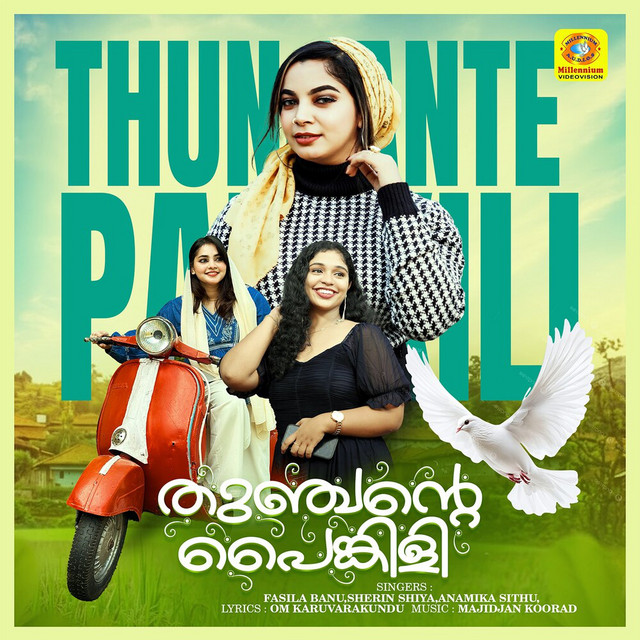


About Malayalam cover
Malayalam cover is a vibrant, practitioner-driven strand of music that centers on reinterpreting Malayalam songs—primarily film songs, but also independent compositions—through new arrangements, vocal timbres, and textures. It operates at the intersection of nostalgia and experimentation, inviting listeners to hear familiar melodies anew while offering artists a flexible space to showcase technique, taste, and personal voice.
Historically, the practice grew out of the broader global culture of cover songs, amplified by the rise of affordable home recording and, later, the YouTube and social media ecosystems. In Kerala and among the global Malayali diaspora, fans began posting their renditions of beloved classics and contemporary hits in the late 2000s and early 2010s. The format quickly diversified: intimate, fan-made acoustic versions; piano- or guitar-driven rearrangements; vocal-and-harmony explorations with layered multitracks; and more experimental takes that reimagine a song’s cadence, tempo, or genre. The digital-native nature of Malayalam cover—often created and consumed in short-form clips or streaming-friendly formats—made it accessible to aspiring artists who might not have access to large recording studios but possessed a keen sense of musical storytelling.
What makes the genre distinctive is not only the repertoire—the vast reservoir of evergreen film songs is a treasure trove for reinterpretation—but also the approach: a cover artist might preserve a song’s emotional core while changing its color entirely, perhaps turning a melody into a gentle piano lullaby, a dance-floor anthem into a sparse vocal ballad, or a classic romantic number into a fresh, contemporary groove. This flexibility has helped covers resonate across generations, from longtime fans who grew up with the film songs of the 60s–90s to younger listeners discovering Malayalam music through contemporary covers.
Key artists and ambassadors in the Malayalam cover space are often independent singers, composers, and multi-instrumentalists who use platforms like YouTube, Instagram, and Spotify to reach global audiences. They frequently become ambassadors not only because of their vocal dexterity or arranging skill, but also because they curate a listening experience—curation that connects listeners with the emotional arc of a song while presenting a personal sonic identity. The role of these artists is sometimes amplified by their ability to collaborate across genres, fuse languages, and engage with a community of listeners who share a passion for Malayalam music in all its forms.
In terms of geography, Malayalam cover has strong roots in Kerala and in Gulf countries with large Malayali populations—the United Arab Emirates, Saudi Arabia, Oman, Qatar, and Kuwait—where music, community events, and online communities thrive in diaspora spaces. Singapore, Malaysia, and the broader Southeast Asian Malayali communities also host active listeners and creators. North American and European urban centers with significant Indian and Malayali populations (such as the United States, the United Kingdom, and Australia) contribute to the genre’s transnational reach, turning Malayalam covers into a bridge across cultures and time zones.
For enthusiasts, the Malayalam cover scene offers a continuously refreshing catalog: emotionally potent performances, inventive arrangements, and a sense of shared discovery that keeps the tradition of Malayalam song alive while inviting new meanings and listeners. If you want, I can tailor this description to highlight specific artists or channels you’re interested in, or adjust the emphasis toward a particular era or substyle within the Malayalam cover landscape.
Historically, the practice grew out of the broader global culture of cover songs, amplified by the rise of affordable home recording and, later, the YouTube and social media ecosystems. In Kerala and among the global Malayali diaspora, fans began posting their renditions of beloved classics and contemporary hits in the late 2000s and early 2010s. The format quickly diversified: intimate, fan-made acoustic versions; piano- or guitar-driven rearrangements; vocal-and-harmony explorations with layered multitracks; and more experimental takes that reimagine a song’s cadence, tempo, or genre. The digital-native nature of Malayalam cover—often created and consumed in short-form clips or streaming-friendly formats—made it accessible to aspiring artists who might not have access to large recording studios but possessed a keen sense of musical storytelling.
What makes the genre distinctive is not only the repertoire—the vast reservoir of evergreen film songs is a treasure trove for reinterpretation—but also the approach: a cover artist might preserve a song’s emotional core while changing its color entirely, perhaps turning a melody into a gentle piano lullaby, a dance-floor anthem into a sparse vocal ballad, or a classic romantic number into a fresh, contemporary groove. This flexibility has helped covers resonate across generations, from longtime fans who grew up with the film songs of the 60s–90s to younger listeners discovering Malayalam music through contemporary covers.
Key artists and ambassadors in the Malayalam cover space are often independent singers, composers, and multi-instrumentalists who use platforms like YouTube, Instagram, and Spotify to reach global audiences. They frequently become ambassadors not only because of their vocal dexterity or arranging skill, but also because they curate a listening experience—curation that connects listeners with the emotional arc of a song while presenting a personal sonic identity. The role of these artists is sometimes amplified by their ability to collaborate across genres, fuse languages, and engage with a community of listeners who share a passion for Malayalam music in all its forms.
In terms of geography, Malayalam cover has strong roots in Kerala and in Gulf countries with large Malayali populations—the United Arab Emirates, Saudi Arabia, Oman, Qatar, and Kuwait—where music, community events, and online communities thrive in diaspora spaces. Singapore, Malaysia, and the broader Southeast Asian Malayali communities also host active listeners and creators. North American and European urban centers with significant Indian and Malayali populations (such as the United States, the United Kingdom, and Australia) contribute to the genre’s transnational reach, turning Malayalam covers into a bridge across cultures and time zones.
For enthusiasts, the Malayalam cover scene offers a continuously refreshing catalog: emotionally potent performances, inventive arrangements, and a sense of shared discovery that keeps the tradition of Malayalam song alive while inviting new meanings and listeners. If you want, I can tailor this description to highlight specific artists or channels you’re interested in, or adjust the emphasis toward a particular era or substyle within the Malayalam cover landscape.