Genre
malian traditional
Top Malian traditional Artists
Showing 20 of 20 artists





About Malian traditional
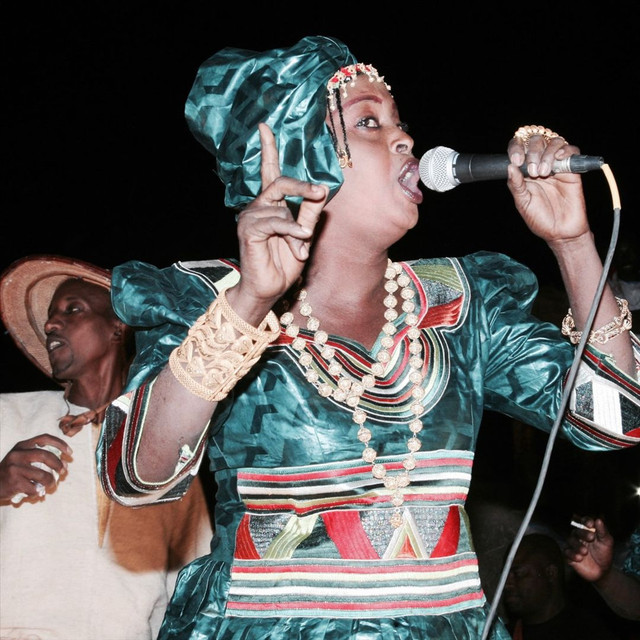
Malian traditional is the living archive of Mali’s musical memory, a family of art forms rooted in the Mande world and carried through the jeli, or griot, caste. It centers on the idea that song, story, praise, and history can be sung and played back to keep memory alive. For centuries, griots served as historians, diplomats, and entertainers at royal courts, weddings, naming ceremonies, and religious gatherings, weaving social memory into every performance. The music is less a single genre than a constellation of practices, textures, and repertoires that vary by region, lineage, and occasion, yet share a shared language of melody, rhythm, and improvisation.
At the heart of Malian traditional sound are the core instruments: the kora, a 21-string lute-harp whose shimmering tremolo lines thread through ensembles; the balafon, a wooden xylophone whose resonating gourds reinforce polyphonic movement; and the ngoni, a cousin of the lute whose plucked chords provide cradle-like harmony. Percussion—drums such as the djembe and dunun family—drives the tempo and invites call-and-response dialogue with singers and dancers. Songs are often transmission vessels, recounting genealogies, heroic deeds, or moral tales, and performances frequently hinge on extended improvisation, intricate interlocking rhythms, and a deep, almost conversational rapport between musicians and audience.
This tradition is closely associated with Mali’s Mande groups—Mandinka, Malinke, and related lineages—yet it travels beyond tribal and regional lines through itinerant musicians, royal ensembles, and modern studios. The repertoire ranges from funerary laments and courtly praise to celebratory dance tunes, with many pieces passed down within families and specific lineages. The griot’s role as custodian of oral history gives Malian traditional its distinctive ethical and social weight: music becomes a living record, a means of negotiation, tribute, and communal identity.
Key artists who have embodied and broadcast Malian traditional to the world include Toumani Diabaté, a master of the kora whose vivid ensembles and collaborations helped elevate Malian sound on the global stage. Ballaké Sissoko, another virtuosic kora player, and his collaborators have expanded the instrument’s emotional range through intimate duets and cross-cultural projects. Sidiki Diabaté, a younger generation kora virtuoso, brought wider attention to the instrument with bold recordings and multimedia performances. In vocal traditions, Ali Farka Touré’s deep, root-conscious guitar work—often framed as desert-blues rooted in Malian traditional melodies—has helped connect Mali to international audiences. Other ambassadors—Oumou Sangaré and Salif Keita—draw from Wassoulou and broader Malian idioms, keeping traditional roots alive while inviting contemporary listeners into the repertoire.
Geographically, Malian traditional is most deeply celebrated in Mali and across West Africa, where its rhythms, call-and-response patterns, and virtuosic instrumental lines have long shaped local genres. It also enjoys a substantial following among diaspora communities in France, the United States, Canada, and the United Kingdom, where world-music audiences seek the authentic timbres of kora, balafon, ngoni, and djembe. For enthusiasts, Malian traditional offers a portal into a living culture: a sound world where memory, ceremony, and artistry meet in performances that are as intellectually engaging as they are emotionally moving.
At the heart of Malian traditional sound are the core instruments: the kora, a 21-string lute-harp whose shimmering tremolo lines thread through ensembles; the balafon, a wooden xylophone whose resonating gourds reinforce polyphonic movement; and the ngoni, a cousin of the lute whose plucked chords provide cradle-like harmony. Percussion—drums such as the djembe and dunun family—drives the tempo and invites call-and-response dialogue with singers and dancers. Songs are often transmission vessels, recounting genealogies, heroic deeds, or moral tales, and performances frequently hinge on extended improvisation, intricate interlocking rhythms, and a deep, almost conversational rapport between musicians and audience.
This tradition is closely associated with Mali’s Mande groups—Mandinka, Malinke, and related lineages—yet it travels beyond tribal and regional lines through itinerant musicians, royal ensembles, and modern studios. The repertoire ranges from funerary laments and courtly praise to celebratory dance tunes, with many pieces passed down within families and specific lineages. The griot’s role as custodian of oral history gives Malian traditional its distinctive ethical and social weight: music becomes a living record, a means of negotiation, tribute, and communal identity.
Key artists who have embodied and broadcast Malian traditional to the world include Toumani Diabaté, a master of the kora whose vivid ensembles and collaborations helped elevate Malian sound on the global stage. Ballaké Sissoko, another virtuosic kora player, and his collaborators have expanded the instrument’s emotional range through intimate duets and cross-cultural projects. Sidiki Diabaté, a younger generation kora virtuoso, brought wider attention to the instrument with bold recordings and multimedia performances. In vocal traditions, Ali Farka Touré’s deep, root-conscious guitar work—often framed as desert-blues rooted in Malian traditional melodies—has helped connect Mali to international audiences. Other ambassadors—Oumou Sangaré and Salif Keita—draw from Wassoulou and broader Malian idioms, keeping traditional roots alive while inviting contemporary listeners into the repertoire.
Geographically, Malian traditional is most deeply celebrated in Mali and across West Africa, where its rhythms, call-and-response patterns, and virtuosic instrumental lines have long shaped local genres. It also enjoys a substantial following among diaspora communities in France, the United States, Canada, and the United Kingdom, where world-music audiences seek the authentic timbres of kora, balafon, ngoni, and djembe. For enthusiasts, Malian traditional offers a portal into a living culture: a sound world where memory, ceremony, and artistry meet in performances that are as intellectually engaging as they are emotionally moving.