Genre
manchester hip hop
Top Manchester hip hop Artists
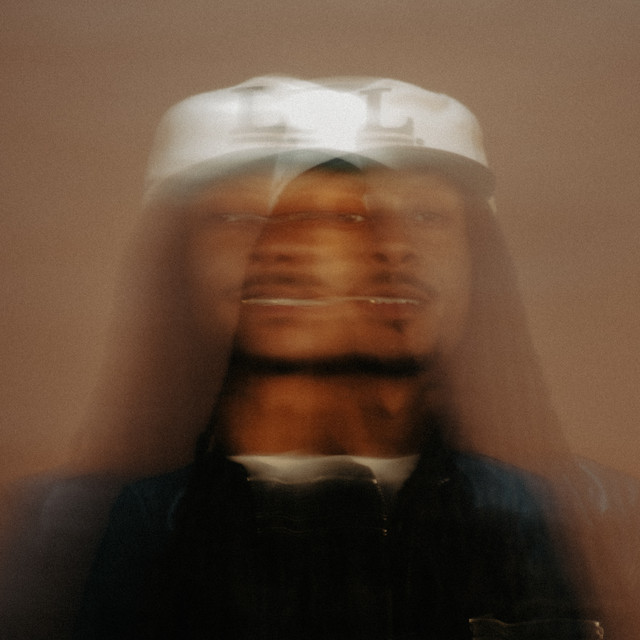
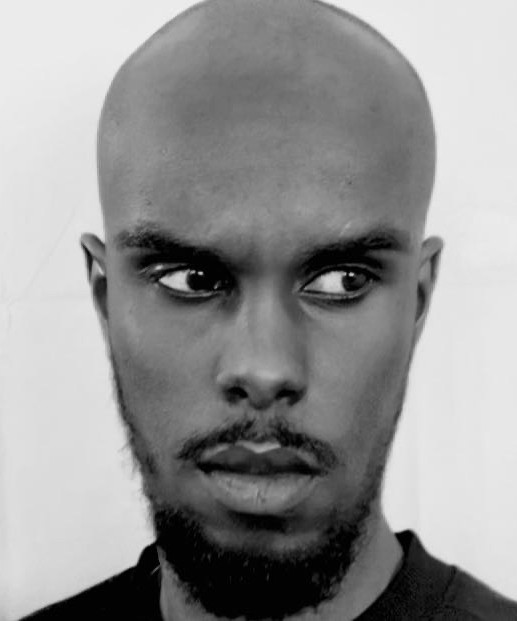
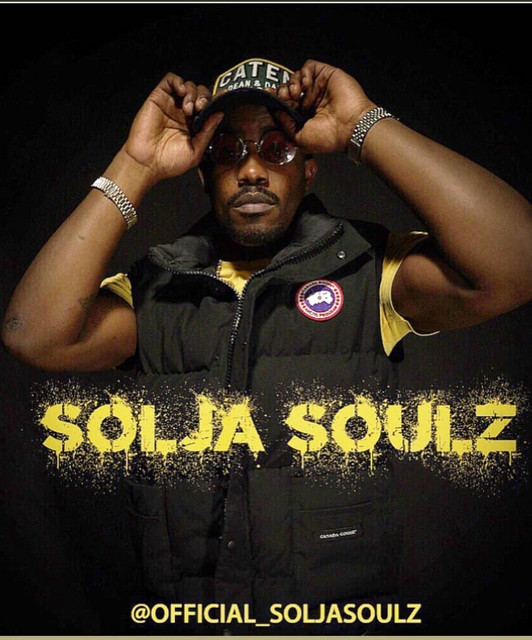
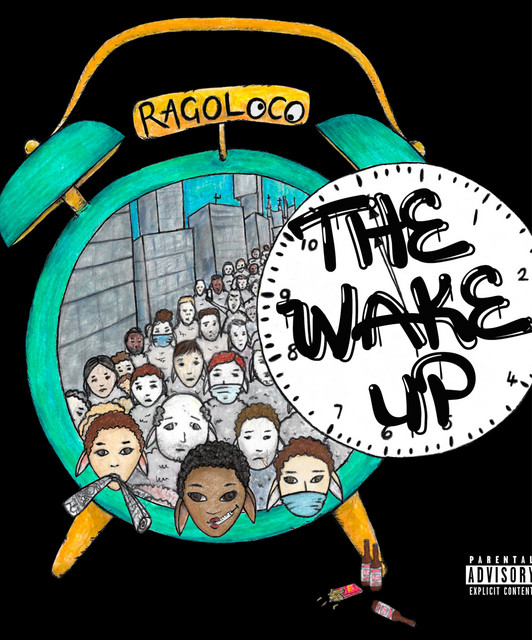
Showing 25 of 33 artists














About Manchester hip hop
Manchester hip hop is the Manchester-born thread in Britain's broader rap tapestry: a genre that keeps it honest with street-level storytelling while pulling in ideas from grime, UK bass, and experimental electronics. It exists at the intersection of gritty realism, punchy rhyme delivery, and a can-do DIY ethos that has helped the city’s scene survive and evolve outside the capital’s glare. For enthusiasts, it’s a sound that feels both muscular and intimate—a music city’s voice in the English north.
Origins and development
Like much of the UK hip hop story, Manchester’s scene took root in the late 1990s and into the 2000s, nurtured by underground nights, pirate radio fragments, and independent labels. It grew from the city’s distinct working-class neighborhoods, where artists fused local dialects and lived-in narratives with global rap references. Over the years, Manchester hip hop absorbed and repurposed elements from grime, dancehall, and bass-driven electronics, turning them into a versatile palette. The result is a sound that can hit hard on a bassline and then flip into melodic introspection, often within the same project.
Sound and aesthetics
What sets Manchester apart is its willingness to blend aggression with warmth. Beats range from crisp, stripped-back drum patterns to heavy, bass-forward productions that nod to grime and UK drill without losing songcraft. Lyrically, the tradition favors storytelling and social realism—portraits of city life, work, family and aspiration—delivered in a cadence that can feel both direct and slyly conversational. The Manchester voice—its accent, its cadence, its sense of humor—adds texture and authenticity, making the material feel immediate and rooted in place. Producers from the city have earned reputations for sharp sampling, inventive percussion, and a knack for collaborations that cross genres rather than isolate them.
Key artists and ambassadors
Two names frequently stand out as ambassadors of Manchester hip hop today. Bugzy Malone emerged as a central figure who bridged underground grit with mainstream visibility, bringing Manchester’s pain and pride to a national audience and shaping the genre’s contemporary trajectory. Aitch, another towering figure from the city, has grown into one of the UK’s most commercially successful rap voices, known for catchy hooks and streetwise storytelling that still carries Manchester’s working-class weight. Together, they illustrate the spectrum of the scene: Bugzy Malone’s raw, battle-tested sensibility and Aitch’s polished, hook-driven approach. Beyond them, a broader network of producers, MCs, and collectives continues to push the sound in fresh directions, keeping the scene vibrant and responsive to global trends.
Global reach and popularity
Manchester hip hop remains most prominent in the United Kingdom, especially in the North West, where it has a strong local audience and a steady stream of live events and radio support (including platforms like BBC Introducing that spotlight regional talent). It also attracts listeners in Ireland and across Europe, with online streaming helping the music reach a broader, sometimes unexpected audience in the United States, Canada, and Australia. The international curiosity around Manchester’s scene often centers on its blend of hard-hitting lyricism with melodic and experimental sensibilities.
In short, Manchester hip hop is the resilient, multi-faceted voice of a city that refuses to stay in the shadows. It’s straightforward where it needs to be, inventive where it can be, and always rooted in real-life experience.
Origins and development
Like much of the UK hip hop story, Manchester’s scene took root in the late 1990s and into the 2000s, nurtured by underground nights, pirate radio fragments, and independent labels. It grew from the city’s distinct working-class neighborhoods, where artists fused local dialects and lived-in narratives with global rap references. Over the years, Manchester hip hop absorbed and repurposed elements from grime, dancehall, and bass-driven electronics, turning them into a versatile palette. The result is a sound that can hit hard on a bassline and then flip into melodic introspection, often within the same project.
Sound and aesthetics
What sets Manchester apart is its willingness to blend aggression with warmth. Beats range from crisp, stripped-back drum patterns to heavy, bass-forward productions that nod to grime and UK drill without losing songcraft. Lyrically, the tradition favors storytelling and social realism—portraits of city life, work, family and aspiration—delivered in a cadence that can feel both direct and slyly conversational. The Manchester voice—its accent, its cadence, its sense of humor—adds texture and authenticity, making the material feel immediate and rooted in place. Producers from the city have earned reputations for sharp sampling, inventive percussion, and a knack for collaborations that cross genres rather than isolate them.
Key artists and ambassadors
Two names frequently stand out as ambassadors of Manchester hip hop today. Bugzy Malone emerged as a central figure who bridged underground grit with mainstream visibility, bringing Manchester’s pain and pride to a national audience and shaping the genre’s contemporary trajectory. Aitch, another towering figure from the city, has grown into one of the UK’s most commercially successful rap voices, known for catchy hooks and streetwise storytelling that still carries Manchester’s working-class weight. Together, they illustrate the spectrum of the scene: Bugzy Malone’s raw, battle-tested sensibility and Aitch’s polished, hook-driven approach. Beyond them, a broader network of producers, MCs, and collectives continues to push the sound in fresh directions, keeping the scene vibrant and responsive to global trends.
Global reach and popularity
Manchester hip hop remains most prominent in the United Kingdom, especially in the North West, where it has a strong local audience and a steady stream of live events and radio support (including platforms like BBC Introducing that spotlight regional talent). It also attracts listeners in Ireland and across Europe, with online streaming helping the music reach a broader, sometimes unexpected audience in the United States, Canada, and Australia. The international curiosity around Manchester’s scene often centers on its blend of hard-hitting lyricism with melodic and experimental sensibilities.
In short, Manchester hip hop is the resilient, multi-faceted voice of a city that refuses to stay in the shadows. It’s straightforward where it needs to be, inventive where it can be, and always rooted in real-life experience.