Genre
mandopop
Top Mandopop Artists
Showing 25 of 3,355 artists
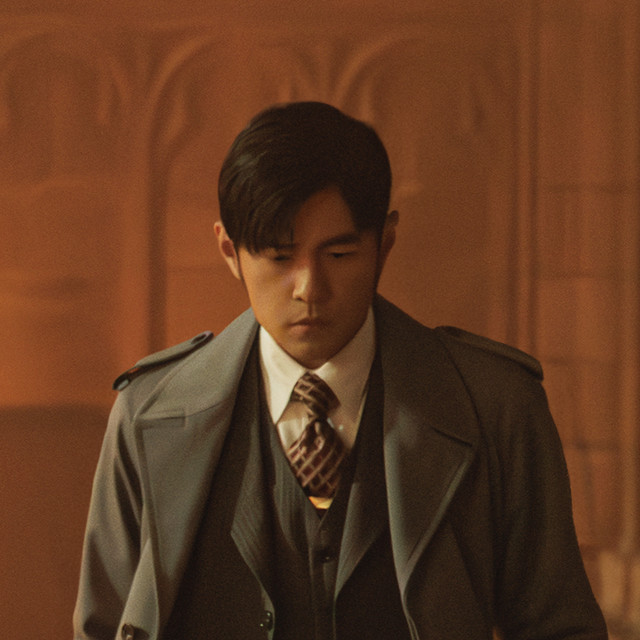
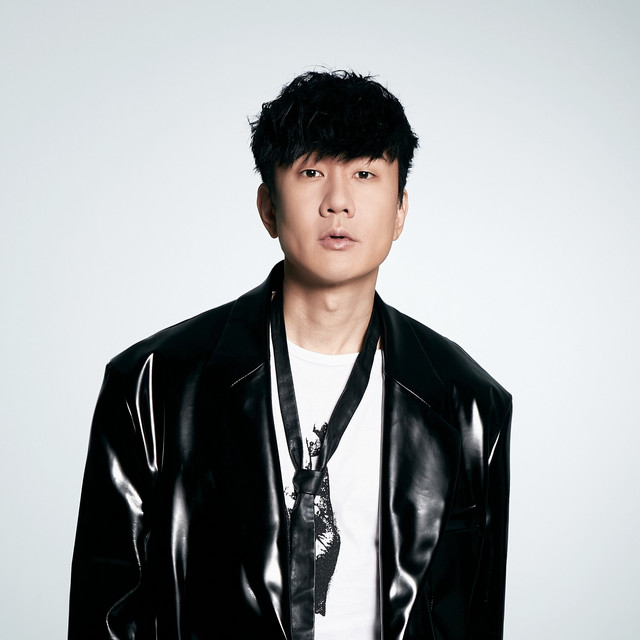
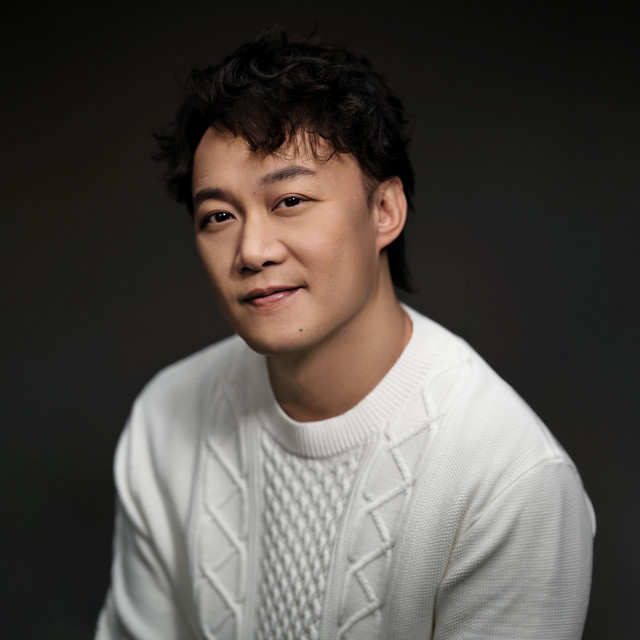
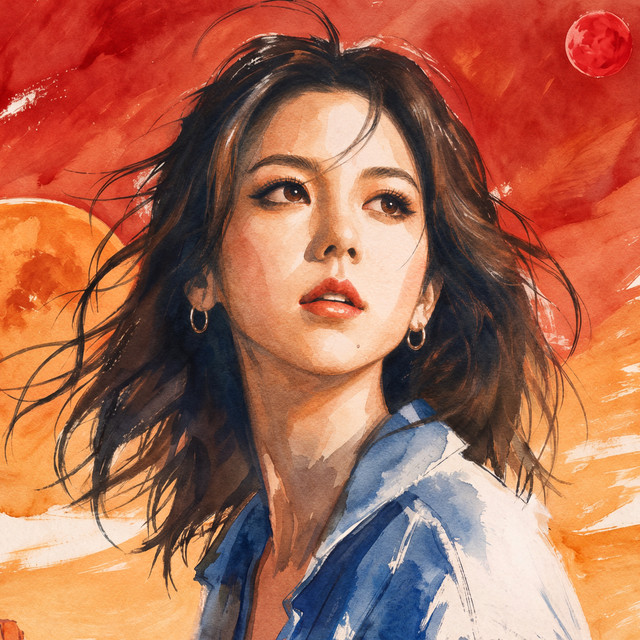
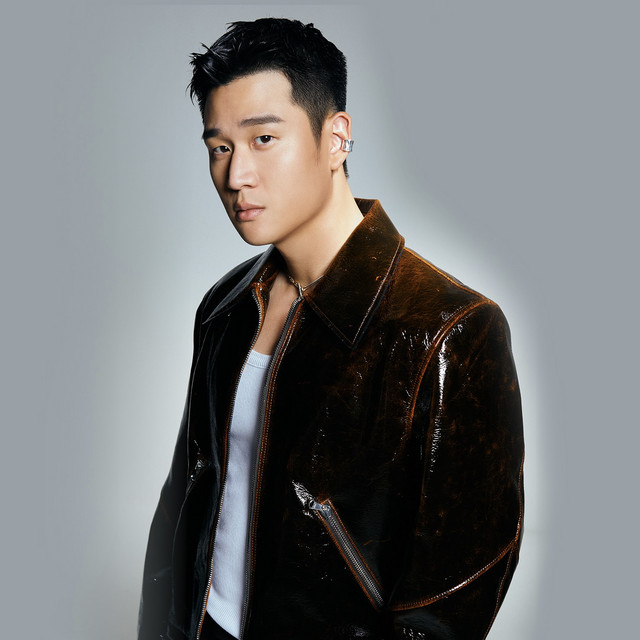
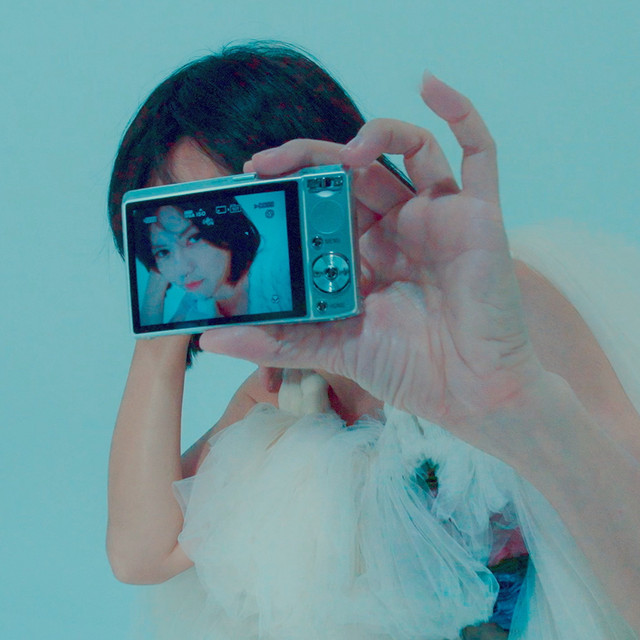
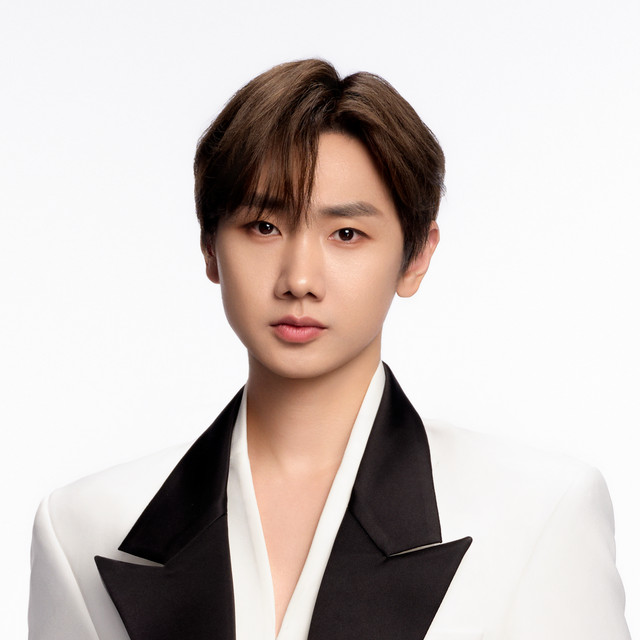
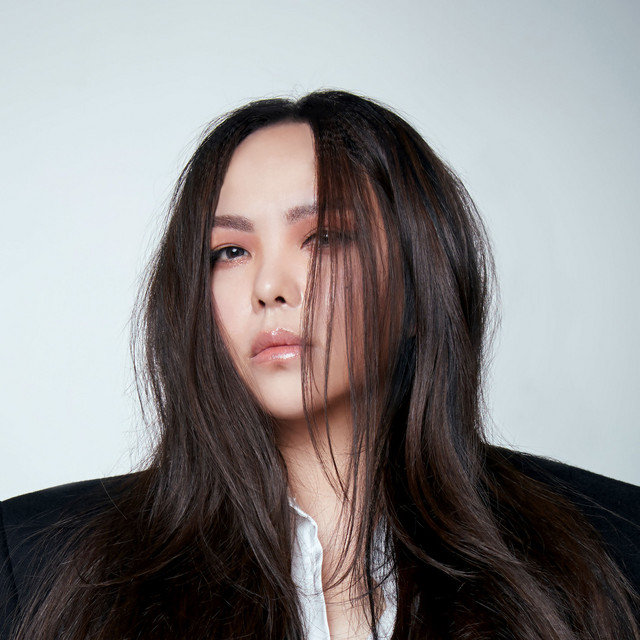
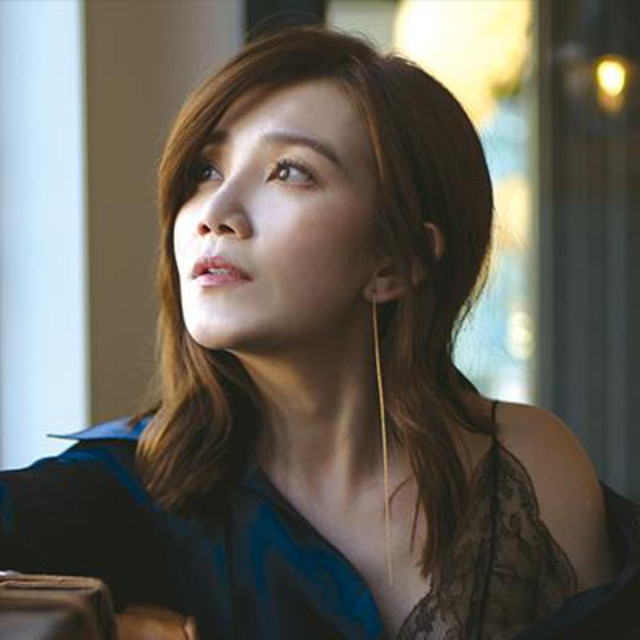
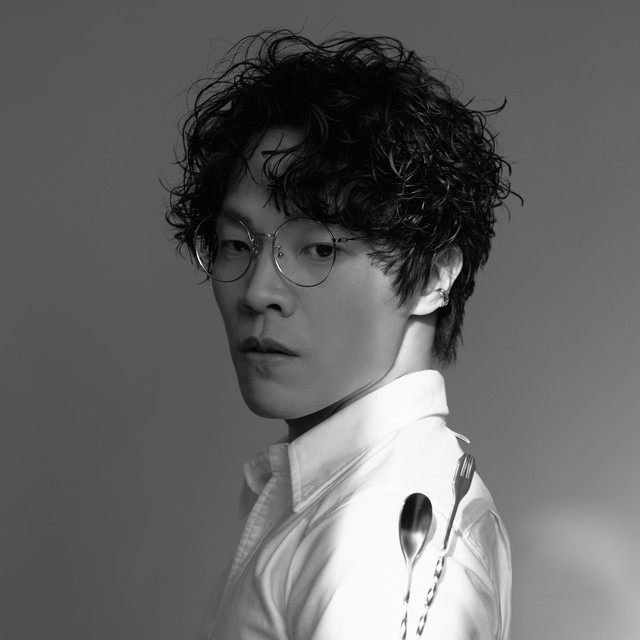
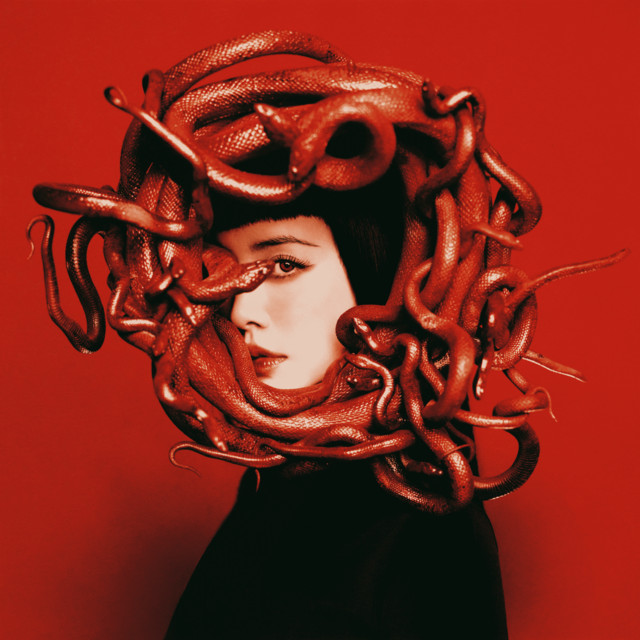

25
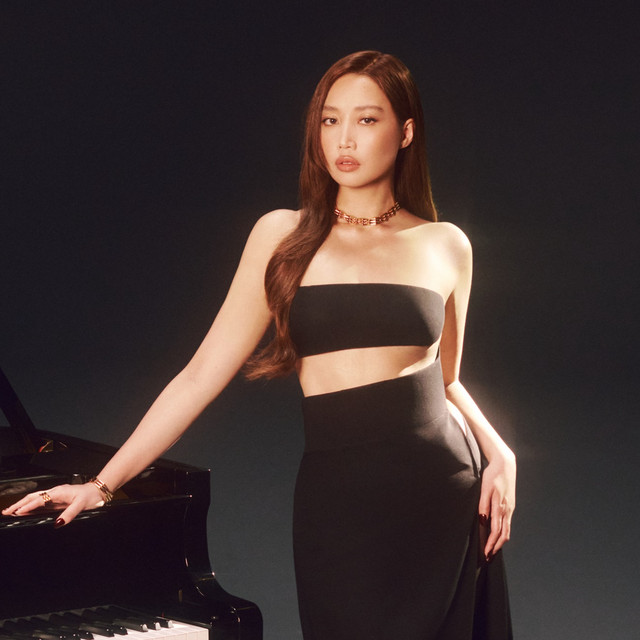
單依純
252,636
1.2 million listeners
About Mandopop
Mandopop, short for Mandarin popular music, is the Mandarin-language strand of Chinese pop that rose to prominence in Taiwan during the late 1970s and 1980s. It grew from a flourishing television and radio culture, the rise of professional studio production, and a generation eager for songs in their own tongue that could travel across borders. The hallmark is melodic pop sung in Mandarin, often intimate ballads and carefully arranged productions that blend Western sensibilities with Chinese melodic and lyric traditions. The genre became a lingua franca for Mandarin-speaking youth across Asia and, in time, beyond.
Teresa Teng, whose warm, crystalline voice carried The Moon Represents My Heart and a host of Mandarin classics, is widely considered the founding icon of modern Mandopop. Her songs crossed regional borders—from Taipei to Singapore to Bangkok—setting a standard for lucid Mandarin pronunciation and timeless melody. In the 1980s and 1990s, songwriters and producers such as Luo Dayou helped codify Mandopop’s language: storytelling lyrics, emotionally charged ballads, and a melodic blend that could carry folk-rock and pop sensibilities. The result was a diffuse but cohesive soundscape: intimate vocal delivery, memorable hooks, and lyrics that spoke directly to love, longing, family, and everyday life.
Mandopop diversified in the 1990s and 2000s with a new generation of singer‑songwriters and performers. Jay Chou’s 2000 debut fused classical Chinese textures with hip‑hop and R&B, catalyzing a modern wave that many artists would imitate. Leehom Wang, A-Mei (Mei) and Stefanie Sun, along with Fish Leong, expanded the repertoire to include soulful ballads, up-tempo pop, and crossover experiments. Mayday, the Taiwanese rock‑pop trio, delivered stadium-ready anthems and a live-energy ethos that extended Mandopop’s reach beyond pure ballads into rock-infused sounds and teenage anthems. The era also saw a surge of female artists who became household names across the Mandarin-speaking world, each bringing their own stylings—from powerful pop-rock to delicate piano-led ballads.
Geographically, Mandopop is strongest in Taiwan, Mainland China, Singapore, and Malaysia, with a thriving Mandarin-speaking fanbase across Southeast Asia and the global Chinese diaspora. In recent years, artists from Mainland China and Hong Kong have joined the Mandopop fold, while younger singers fuse pop with EDM, indie folk, and cinematic ballads. The genre’s strength lies in its adaptability: Western pop textures—dance rhythms, synths, hip‑hop—can be integrated with Chinese melodic lines and lyricism, producing music that feels both contemporary and distinctly Mandarin.
Ambassadors of Mandopop include Teresa Teng as the archetype of Mandarin balladry, Jay Chou who redefined the sound for a generation, and artists such as Stefanie Sun, A-Mei, Fish Leong, and Leehom Wang who brought cross‑regional appeal. From intimate studio tracks to large-venue anthems, Mandopop continues to shape the soundscape of Chinese popular music and to invite listeners worldwide to discover its language, poetry, and hybrid sensibilities.
Teresa Teng, whose warm, crystalline voice carried The Moon Represents My Heart and a host of Mandarin classics, is widely considered the founding icon of modern Mandopop. Her songs crossed regional borders—from Taipei to Singapore to Bangkok—setting a standard for lucid Mandarin pronunciation and timeless melody. In the 1980s and 1990s, songwriters and producers such as Luo Dayou helped codify Mandopop’s language: storytelling lyrics, emotionally charged ballads, and a melodic blend that could carry folk-rock and pop sensibilities. The result was a diffuse but cohesive soundscape: intimate vocal delivery, memorable hooks, and lyrics that spoke directly to love, longing, family, and everyday life.
Mandopop diversified in the 1990s and 2000s with a new generation of singer‑songwriters and performers. Jay Chou’s 2000 debut fused classical Chinese textures with hip‑hop and R&B, catalyzing a modern wave that many artists would imitate. Leehom Wang, A-Mei (Mei) and Stefanie Sun, along with Fish Leong, expanded the repertoire to include soulful ballads, up-tempo pop, and crossover experiments. Mayday, the Taiwanese rock‑pop trio, delivered stadium-ready anthems and a live-energy ethos that extended Mandopop’s reach beyond pure ballads into rock-infused sounds and teenage anthems. The era also saw a surge of female artists who became household names across the Mandarin-speaking world, each bringing their own stylings—from powerful pop-rock to delicate piano-led ballads.
Geographically, Mandopop is strongest in Taiwan, Mainland China, Singapore, and Malaysia, with a thriving Mandarin-speaking fanbase across Southeast Asia and the global Chinese diaspora. In recent years, artists from Mainland China and Hong Kong have joined the Mandopop fold, while younger singers fuse pop with EDM, indie folk, and cinematic ballads. The genre’s strength lies in its adaptability: Western pop textures—dance rhythms, synths, hip‑hop—can be integrated with Chinese melodic lines and lyricism, producing music that feels both contemporary and distinctly Mandarin.
Ambassadors of Mandopop include Teresa Teng as the archetype of Mandarin balladry, Jay Chou who redefined the sound for a generation, and artists such as Stefanie Sun, A-Mei, Fish Leong, and Leehom Wang who brought cross‑regional appeal. From intimate studio tracks to large-venue anthems, Mandopop continues to shape the soundscape of Chinese popular music and to invite listeners worldwide to discover its language, poetry, and hybrid sensibilities.