Genre
marathi hip hop
Top Marathi hip hop Artists
Showing 14 of 14 artists




About Marathi hip hop
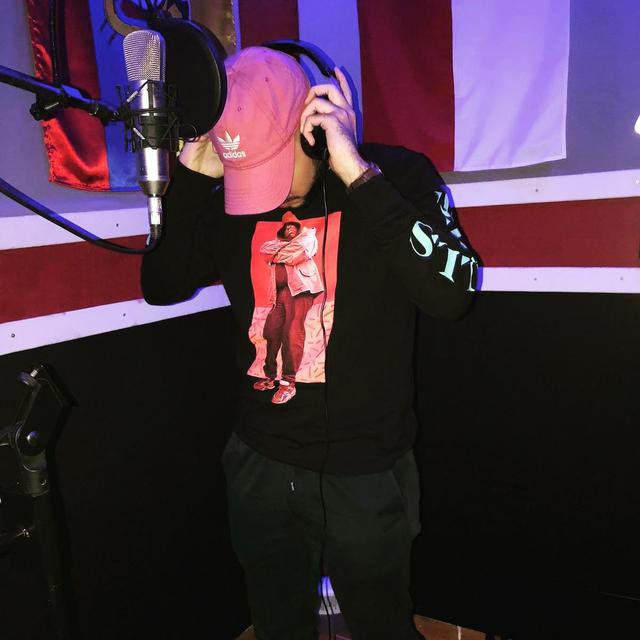
Marathi hip hop is a regional branch of the broader Indian hip hop movement, performed in Marathi—the language of Maharashtra. Its birth is tied to the urban, outdoor mic culture of Mumbai and, later, Pune, where aspiring MCs began blending Western rap rhythms with Marathi storytelling, wordplay, and local slang. In the 2000s and especially the 2010s, artists experimented with rhyme schemes, production styles, and delivery, releasing tracks on independent labels, YouTube, and other online platforms. As producers started incorporating trap-influenced drums, heavier bass, and samples, Marathi hip hop began to develop a distinct sound that could sit alongside global hip hop while staying deeply rooted in local language and sensibilities.
The genre expanded as streaming and social media made it easier for Marathi-speaking artists to reach listeners far beyond their city limits. Lyrically, Marathi hip hop often centers on urban life, ambition, and social issues, but it also celebrates regional culture, identity, and pride. Many songs mix Marathi with Hinglish, which helps the music travel to non-Marathi speakers while keeping a strong linguistic anchor for native listeners. The soundscape ranges from gritty, bass-forward tracks to more melodic, lyrically focused pieces, and it frequently borrows from Marathi folk textures—such as lavani rhythms or brass-and-percussion motifs—creating a dialogue between contemporary urban music and traditional forms. This fusion has helped the genre feel both modern and culturally resonant.
Marathi hip hop has moved from the fringes of the music scene into a space that intersects with cinema, live festivals, and online communities. Artists collaborate with Marathi singers, film composers, and other producers, and the scene often showcases at city-based events, college fests, and independent music festivals across Maharashtra. The ambassador role in this scene is fulfilled by a range of voices: independent rappers who build followings through street gigs and viral videos, beatmakers who craft Marathi-infused productions, and performers who cross into mainstream Marathi music and film work. Collectively, these ambassadors push the language’s hip hop potential, demonstrating how Marathi can carry high-energy flow, clever wordplay, and social commentary in a global musical conversation.
In terms of geography and reach, Marathi hip hop remains strongest in Maharashtra—particularly Mumbai and Pune—where a dense network of studios, venues, and fan communities sustains the scene. Yet the genre also attracts diaspora listeners and curious fans worldwide via streaming platforms, with audiences in North America, Europe, the Middle East, and beyond who enjoy bilingual rap and cross-cultural collaborations. The appeal lies in its ability to be intensely local and universally readable at the same time—riffing on Marathi idioms, city experiences, and cultural pride while speaking the language of global urban music.
If you’d like, I can include a curated list of notable artists and tracks to anchor this overview with concrete examples and dates.
The genre expanded as streaming and social media made it easier for Marathi-speaking artists to reach listeners far beyond their city limits. Lyrically, Marathi hip hop often centers on urban life, ambition, and social issues, but it also celebrates regional culture, identity, and pride. Many songs mix Marathi with Hinglish, which helps the music travel to non-Marathi speakers while keeping a strong linguistic anchor for native listeners. The soundscape ranges from gritty, bass-forward tracks to more melodic, lyrically focused pieces, and it frequently borrows from Marathi folk textures—such as lavani rhythms or brass-and-percussion motifs—creating a dialogue between contemporary urban music and traditional forms. This fusion has helped the genre feel both modern and culturally resonant.
Marathi hip hop has moved from the fringes of the music scene into a space that intersects with cinema, live festivals, and online communities. Artists collaborate with Marathi singers, film composers, and other producers, and the scene often showcases at city-based events, college fests, and independent music festivals across Maharashtra. The ambassador role in this scene is fulfilled by a range of voices: independent rappers who build followings through street gigs and viral videos, beatmakers who craft Marathi-infused productions, and performers who cross into mainstream Marathi music and film work. Collectively, these ambassadors push the language’s hip hop potential, demonstrating how Marathi can carry high-energy flow, clever wordplay, and social commentary in a global musical conversation.
In terms of geography and reach, Marathi hip hop remains strongest in Maharashtra—particularly Mumbai and Pune—where a dense network of studios, venues, and fan communities sustains the scene. Yet the genre also attracts diaspora listeners and curious fans worldwide via streaming platforms, with audiences in North America, Europe, the Middle East, and beyond who enjoy bilingual rap and cross-cultural collaborations. The appeal lies in its ability to be intensely local and universally readable at the same time—riffing on Marathi idioms, city experiences, and cultural pride while speaking the language of global urban music.
If you’d like, I can include a curated list of notable artists and tracks to anchor this overview with concrete examples and dates.