Genre
tejano
Top Tejano Artists
Showing 25 of 1,341 artists





About Tejano
Tejano is a bold, hybrid music tradition born on the Texas–Mexico border, a sonic negotiation between Mexican songcraft, European dance forms, and the American popular music mainstream. It crystallized in South Texas in the early-to-mid 20th century, growing out of ranching communities and urban barrios where Mexican corridos, rancheras, and norteño repertoire met the polkas and waltzes that German and Czech immigrants had brought to the plains. The result is Tejano, a sound that can be sentimental and swooning one moment, punchy and danceable the next, carrying a sense of place and identity that is distinctly Texan and Mexican at once.
The conjunto subgenre, with its signature button accordion, bajo sexto, drums, and bass, defined the dance-floor side of Tejano and gained a durable foothold across the Rio Grande Valley and beyond in the 1940s and 1950s. As the years progressed, electric guitars, horns, keyboards, and modern production broadened the sonic palette, while maintaining a core emphasis on melody, rhythm, and storytelling. Polkas and waltzes often drive the tempo, but Tejano remains a flexible umbrella that can accommodate pop-inflected ballads, norteño-tinged rhythms, and rock-tinged grooves without losing its regional authenticity.
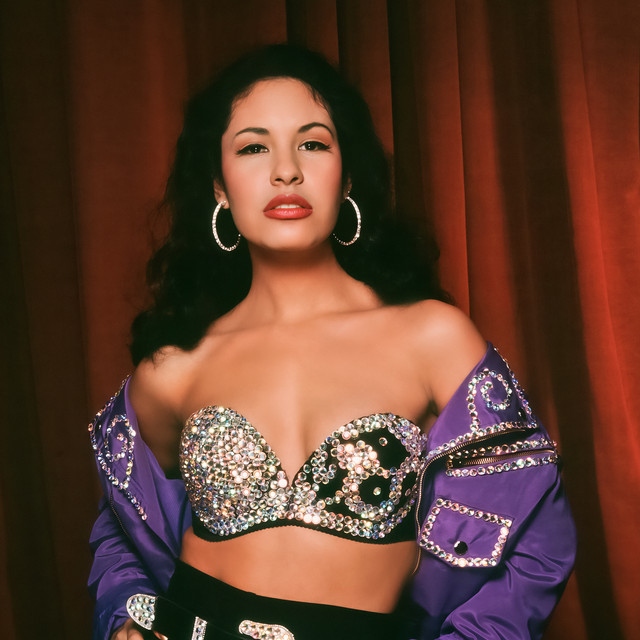
Key artists and ambassadors reveal Tejano’s evolution from local sound to a global phenomenon. Flaco Jiménez, the legendary accordionist, is widely regarded as one of the genre’s most influential figures, keeping the conjunto flame alive while crossing over with collaborations in rock, country, and Latin music. Freddy Fender bridged Tejano with country and English-language pop in the 1970s and 1980s, producing timeless hits like Before the Next Teardrop Falls and helping to widen the audience for Tex-Mex sounds. Selena Quintanilla-Pérez, the “Queen of Tejano,” popularized the genre for a global audience in the late 1980s and early 1990s with a string of chart-topping albums and a lasting cultural impact that transcended regional boundaries. Other influential acts include Little Joe y La Familia, who helped fuse Tejano with rock and roll in earlier decades; Emilio Navaira, who brought a neo-Tejano sensibility to mainstream audiences in the 1990s; La Mafia, who blended Tejano with pop textures; and Intocable, who bridged Tejano with norteño tendencies to attract a broader, younger audience.
Tejano’s core geographic heartland remains the United States—especially Texas—and northern Mexico, with vibrant communities in cities across the Southwest and in diaspora hubs such as Chicago and Los Angeles. The genre is celebrated through events like the Tejano Music Awards, which underline its ongoing vitality and community spirit. For enthusiasts, Tejano offers a dynamic tapestry: a living tradition that preserves core regional roots while inviting experimentation, making it a continually evolving voice that reflects cross-border identities and the broader American musical mosaic.
The conjunto subgenre, with its signature button accordion, bajo sexto, drums, and bass, defined the dance-floor side of Tejano and gained a durable foothold across the Rio Grande Valley and beyond in the 1940s and 1950s. As the years progressed, electric guitars, horns, keyboards, and modern production broadened the sonic palette, while maintaining a core emphasis on melody, rhythm, and storytelling. Polkas and waltzes often drive the tempo, but Tejano remains a flexible umbrella that can accommodate pop-inflected ballads, norteño-tinged rhythms, and rock-tinged grooves without losing its regional authenticity.
Key artists and ambassadors reveal Tejano’s evolution from local sound to a global phenomenon. Flaco Jiménez, the legendary accordionist, is widely regarded as one of the genre’s most influential figures, keeping the conjunto flame alive while crossing over with collaborations in rock, country, and Latin music. Freddy Fender bridged Tejano with country and English-language pop in the 1970s and 1980s, producing timeless hits like Before the Next Teardrop Falls and helping to widen the audience for Tex-Mex sounds. Selena Quintanilla-Pérez, the “Queen of Tejano,” popularized the genre for a global audience in the late 1980s and early 1990s with a string of chart-topping albums and a lasting cultural impact that transcended regional boundaries. Other influential acts include Little Joe y La Familia, who helped fuse Tejano with rock and roll in earlier decades; Emilio Navaira, who brought a neo-Tejano sensibility to mainstream audiences in the 1990s; La Mafia, who blended Tejano with pop textures; and Intocable, who bridged Tejano with norteño tendencies to attract a broader, younger audience.
Tejano’s core geographic heartland remains the United States—especially Texas—and northern Mexico, with vibrant communities in cities across the Southwest and in diaspora hubs such as Chicago and Los Angeles. The genre is celebrated through events like the Tejano Music Awards, which underline its ongoing vitality and community spirit. For enthusiasts, Tejano offers a dynamic tapestry: a living tradition that preserves core regional roots while inviting experimentation, making it a continually evolving voice that reflects cross-border identities and the broader American musical mosaic.