Genre
marching band
Top Marching band Artists
Showing 24 of 24 artists








About Marching band
Marching band is a dynamic, image-driven art form built for coordinated motion and high-energy music. An ensemble typically composed of brass, woodwinds, percussion, and, in modern setups, color guards, it performs while moving in precise formations. The result is a hybrid of concert repertoire, parade tradition, and athletic drill, where musicians become both performers and choreographers.
The genre traces its roots to military bands that served on battlefields and in marching columns for morale, signaling, and ceremony. By the 18th and 19th centuries, European armies refined drumlines, bugle calls, and wind-instrument music for marching. In the United States, civilian and university formations emerged in parallel, turning marching into a spectator sport of skill and spectacle. Over the 20th century, the activity broadened beyond parades into football stadiums and concert venues, giving rise to field shows, elaborate drill, and the now-ubiquitous color guard and auxiliary units.
Repertoire in marching bands is wide, but certain threads run deep. Traditional marches—bright, in duple or compound meters—are still central, often arranged or composed specifically for wind bands. Many ensembles build their sets around a mix of well-known classical transcriptions, contemporary wind-band works, and popular music arrangements, all tailored for movement, timing, and visual storytelling. The music is crafted to project over amplified crowds, with strong downbeats, crisp articulation, and vivid tonal contrasts designed to drive the drill. In addition to parades and football games, modern marching bands frequently compete in circuit events that judge music, marching precision, and overall show design.
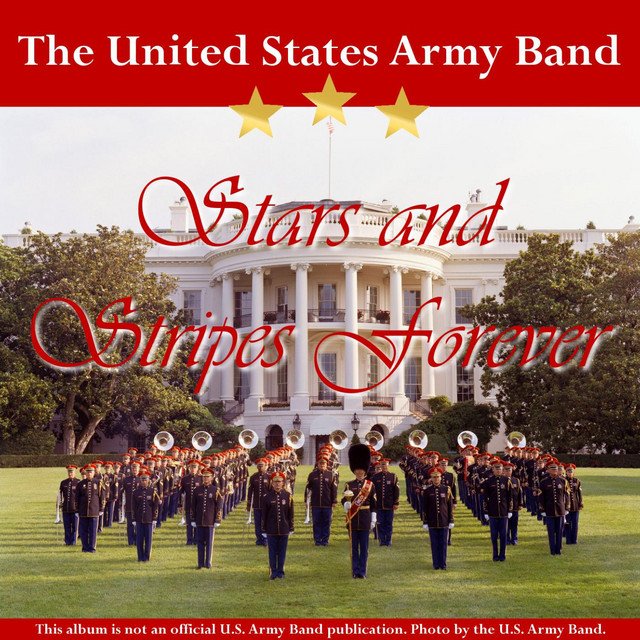
Ambassadors and anchors of the genre include legendary composers and ensemble leaders who elevated wind-band marching to national or international prominence. John Philip Sousa, the American “March King,” is the emblematic figure: his marches such as The Stars and Stripes Forever (1897), The Washington Post March (1889), and The Liberty Bell (1893) became standards of the repertoire and helped define the public’s idea of a marching band. Other prolific march composers include Karl King, Henry Fillmore, and, in broader wind-band circles, Percy Grainger and James Barnes, whose works are staples for concert bands and field shows alike. In the contemporary scene, educational and competitive circuits—such as high school and university bands, Drum Corps International (DCI), and Bands of America (BOA)—act as global ambassadors, shaping technique, drill design, and show production across many countries.
Geographically, marching bands are most popular in the United States, where the college and high school traditions anchor the scene. They are also strong in Canada, the United Kingdom, and other parts of Europe, with robust military and civilian bands in several countries. In Asia, Japan, South Korea, and the Philippines maintain vibrant school and university marching cultures, while Brazil, parts of Europe, and elsewhere host active circuits and performances, from parades to festival stages.
For enthusiasts, marching bands offer a compelling blend of musical literacy, precision, and showmanship. It is an art form that rewards listening and watching: the music is loud and bright, but the real thrill comes from watching the choreography unfold in perfect synchronization with the sound.
The genre traces its roots to military bands that served on battlefields and in marching columns for morale, signaling, and ceremony. By the 18th and 19th centuries, European armies refined drumlines, bugle calls, and wind-instrument music for marching. In the United States, civilian and university formations emerged in parallel, turning marching into a spectator sport of skill and spectacle. Over the 20th century, the activity broadened beyond parades into football stadiums and concert venues, giving rise to field shows, elaborate drill, and the now-ubiquitous color guard and auxiliary units.
Repertoire in marching bands is wide, but certain threads run deep. Traditional marches—bright, in duple or compound meters—are still central, often arranged or composed specifically for wind bands. Many ensembles build their sets around a mix of well-known classical transcriptions, contemporary wind-band works, and popular music arrangements, all tailored for movement, timing, and visual storytelling. The music is crafted to project over amplified crowds, with strong downbeats, crisp articulation, and vivid tonal contrasts designed to drive the drill. In addition to parades and football games, modern marching bands frequently compete in circuit events that judge music, marching precision, and overall show design.
Ambassadors and anchors of the genre include legendary composers and ensemble leaders who elevated wind-band marching to national or international prominence. John Philip Sousa, the American “March King,” is the emblematic figure: his marches such as The Stars and Stripes Forever (1897), The Washington Post March (1889), and The Liberty Bell (1893) became standards of the repertoire and helped define the public’s idea of a marching band. Other prolific march composers include Karl King, Henry Fillmore, and, in broader wind-band circles, Percy Grainger and James Barnes, whose works are staples for concert bands and field shows alike. In the contemporary scene, educational and competitive circuits—such as high school and university bands, Drum Corps International (DCI), and Bands of America (BOA)—act as global ambassadors, shaping technique, drill design, and show production across many countries.
Geographically, marching bands are most popular in the United States, where the college and high school traditions anchor the scene. They are also strong in Canada, the United Kingdom, and other parts of Europe, with robust military and civilian bands in several countries. In Asia, Japan, South Korea, and the Philippines maintain vibrant school and university marching cultures, while Brazil, parts of Europe, and elsewhere host active circuits and performances, from parades to festival stages.
For enthusiasts, marching bands offer a compelling blend of musical literacy, precision, and showmanship. It is an art form that rewards listening and watching: the music is loud and bright, but the real thrill comes from watching the choreography unfold in perfect synchronization with the sound.