Genre
marimba
Top Marimba Artists
Showing 23 of 23 artists








About Marimba
Marimba music is a warm, enveloping mallet-driven genre that sits at the crossroads of African rhythmic heritage and Central American melodic storytelling. Born out of a long history of wooden-key instruments, it has evolved from African xylophones brought to the Americas to become a distinct regional sound with global reach. Today, “marimba” refers not only to the instrument itself but to a vibrant body of repertoire, performance practice, and cultural expression built around it.
Origins and evolution
The marimba’s ancestry lies in Africa, where wooden xylophones and related slit drums formed part of communal music-making for centuries. Enslaved people carried these ideas overseas, where the instrument absorbed regional flavors and playing styles. In Central America, particularly Guatemala, the marimba blossomed into a central folk-ensemble tradition by the late 19th and early 20th centuries. Here the instrument’s resonant wooden bars and large wooden or resin-filled resonators gave rise to lush, danceable textures that could fill plazas and grand halls alike. Over time, the marimba also took root in Colombia (the Pacific coast’s marimba vallenata tradition) and parts of Mexico (Veracruz and the Yucatán), each region developing its own timbres, repertoires, and celebratory functions.
Construction, sound, and playing
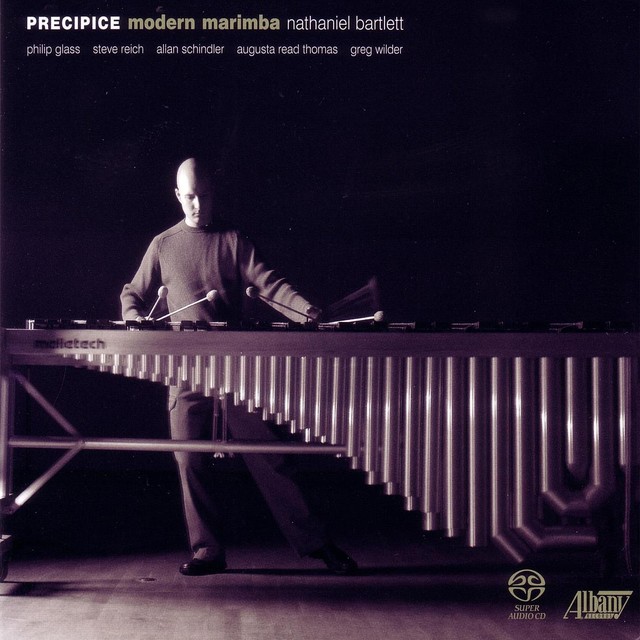
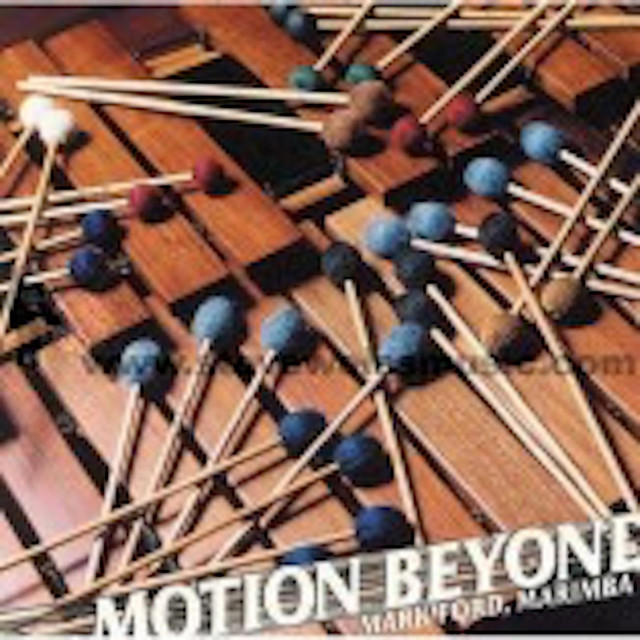
A marimba is a keyboard percussion instrument with tuned wooden bars laid out diatonically or chromatically over a carved or resonant body. The bars are struck with mallets that have yarn, cord, or rubber heads, producing a rich, singable tone with sustained resonance. Lower notes typically require larger resonators, which amplify the wheelhouse of sustains and overtones that define the marimba’s sound. The instrument’s range can span four to five octaves in concert setups, allowing for both intimate solo lines and grand, orchestral textures when paired with other percussion or traditional ensembles. In contemporary settings, marimba players blend elements of traditional folk idioms with classical and modern textures, creating a flexible language that can swing, groove, improvise, or soar into lyric, melodic playing.
Repertoire, technique, and ambassadors
Marimba music thrives on a broad repertoire: traditional folk tunes and dances, modern concert works, and crossover collaborations with jazz, world, and film music. The virtuosic, expressive potential of the instrument has drawn composers to write concert repertoire specifically for marimba, expanding its technical and musical vocabulary. Keiko Abe, the renowned Japanese marimbist and educator, is one of the most influential ambassadors of the modern marimba. Her pioneering pedagogy, technique development (including the four-mallet approach that many players adopt for greater melodic independence), and commissioning of new works helped elevate the marimba from a regional folk instrument to a respected concert instrument worldwide. In Guatemala and Colombia, the marimba remains a national and regional emblem, with celebrated ensembles and soloists who carry forward a lush, danceable, deeply melodic tradition.
Geography and audiences
Guatemala remains the heartland of popular marimba music, where the instrument is ingrained in festivals, ceremonies, and everyday life. Colombia’s Pacific coast communities maintain a strong marimba vallenata and marimba-enriched cumbia lineage, while Veracruz and other Mexican regions keep a distinct regional flavor alive. Outside of Latin America, marimba-inspired ensembles and schools in the United States, Europe, and Japan have helped diversify audiences, bringing the instrument into universities, contemporary ensembles, and world-music stages. The genre’s appeal lies in its tactile immediacy, its earthy, resonant timbre, and its ability to fuse ritual, celebration, and concert hall sensibilities into a single, expansive musical language.
Origins and evolution
The marimba’s ancestry lies in Africa, where wooden xylophones and related slit drums formed part of communal music-making for centuries. Enslaved people carried these ideas overseas, where the instrument absorbed regional flavors and playing styles. In Central America, particularly Guatemala, the marimba blossomed into a central folk-ensemble tradition by the late 19th and early 20th centuries. Here the instrument’s resonant wooden bars and large wooden or resin-filled resonators gave rise to lush, danceable textures that could fill plazas and grand halls alike. Over time, the marimba also took root in Colombia (the Pacific coast’s marimba vallenata tradition) and parts of Mexico (Veracruz and the Yucatán), each region developing its own timbres, repertoires, and celebratory functions.
Construction, sound, and playing
A marimba is a keyboard percussion instrument with tuned wooden bars laid out diatonically or chromatically over a carved or resonant body. The bars are struck with mallets that have yarn, cord, or rubber heads, producing a rich, singable tone with sustained resonance. Lower notes typically require larger resonators, which amplify the wheelhouse of sustains and overtones that define the marimba’s sound. The instrument’s range can span four to five octaves in concert setups, allowing for both intimate solo lines and grand, orchestral textures when paired with other percussion or traditional ensembles. In contemporary settings, marimba players blend elements of traditional folk idioms with classical and modern textures, creating a flexible language that can swing, groove, improvise, or soar into lyric, melodic playing.
Repertoire, technique, and ambassadors
Marimba music thrives on a broad repertoire: traditional folk tunes and dances, modern concert works, and crossover collaborations with jazz, world, and film music. The virtuosic, expressive potential of the instrument has drawn composers to write concert repertoire specifically for marimba, expanding its technical and musical vocabulary. Keiko Abe, the renowned Japanese marimbist and educator, is one of the most influential ambassadors of the modern marimba. Her pioneering pedagogy, technique development (including the four-mallet approach that many players adopt for greater melodic independence), and commissioning of new works helped elevate the marimba from a regional folk instrument to a respected concert instrument worldwide. In Guatemala and Colombia, the marimba remains a national and regional emblem, with celebrated ensembles and soloists who carry forward a lush, danceable, deeply melodic tradition.
Geography and audiences
Guatemala remains the heartland of popular marimba music, where the instrument is ingrained in festivals, ceremonies, and everyday life. Colombia’s Pacific coast communities maintain a strong marimba vallenata and marimba-enriched cumbia lineage, while Veracruz and other Mexican regions keep a distinct regional flavor alive. Outside of Latin America, marimba-inspired ensembles and schools in the United States, Europe, and Japan have helped diversify audiences, bringing the instrument into universities, contemporary ensembles, and world-music stages. The genre’s appeal lies in its tactile immediacy, its earthy, resonant timbre, and its ability to fuse ritual, celebration, and concert hall sensibilities into a single, expansive musical language.