Genre
marrabenta
Top Marrabenta Artists
Showing 15 of 15 artists


About Marrabenta
Marrabenta is a quintessential Mozambican dance music and a living symbol of urban identity. Born from the cultural crossroads of Maputo (then Lourenço Marques) in the late 1920s and into the 1930s, it emerged as Mozambicans blended local rhythms with Portuguese popular music and instruments brought by sailors, traders, and migrants. The result was a bright, syncopated sound that could move gatherings on a crowded street, in a cabaret, or in a radio studio. Over the decades, marrabenta evolved from a popular urban sound into a national emblem, one that has traveled far beyond Mozambique’s borders while still speaking to its roots.
Historically, marrabenta fused traditional Mozambican rhythms and call-and-response singing with the guitar, accordion, violin, and various percussive textures introduced or popularized through Portuguese influence. The mood is typically lively and danceable, with a tempo that drives feet to move and voices to respond in chorus. Lyrics often touch on daily life, love, social observation, and the experiences of city dwellers—stories full of color and resilience in the face of change. The genre’s name is itself a subject of debate: some scholars point to a neighborhood’s nickname, others to improvised, fast-talking performance styles; whichever origin one accepts, the term has long signified a quick, engaging musical encounter.
Marrabenta did not stay confined to a single moment. Its creators and early champions navigated Mozambique’s colonial era and its transition into independence, weaving in new textures as instruments and tastes shifted. Across the 1950s, 60s, and 70s, it gained a broader audience through live performances, radio, and eventual recording, helping to crystallize a Mozambican popular music language that could be both locally rooted and cosmopolitan.
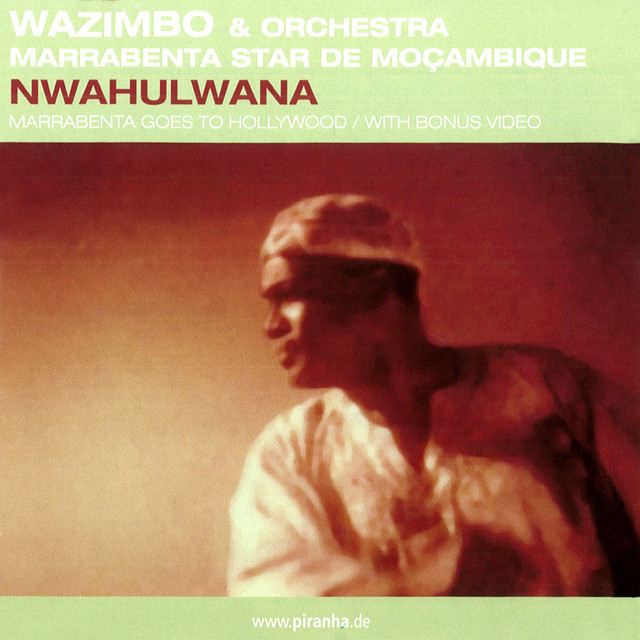
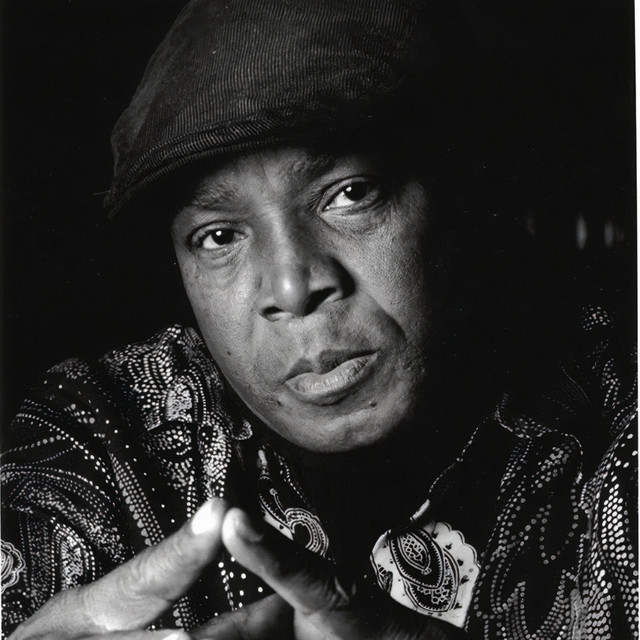
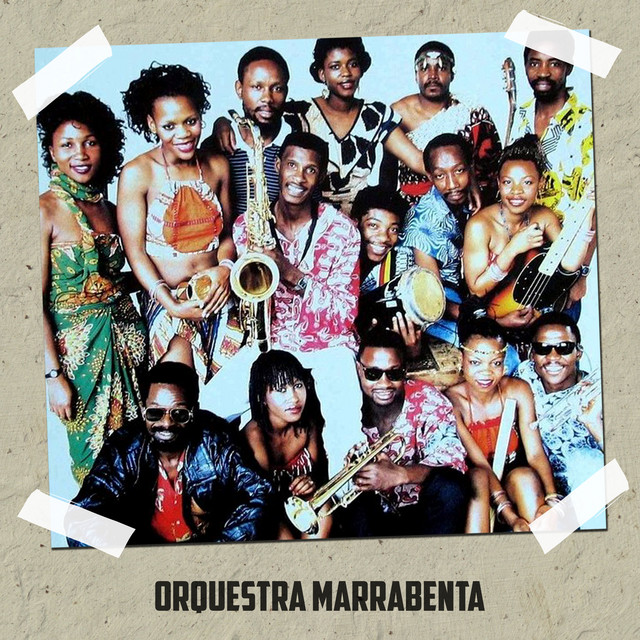
Among the artists frequently cited as pioneers and ambassadors of marrabenta are Rui Mingas and Wazimbo, whose work helped bring the genre into the national conversation and beyond. In more recent decades, ensembles such as the Marrabenta Star Orchestra have carried the torch forward, blending traditional elements with contemporary arrangements and world-music sensibilities to reach international stages. These figures—early trailblazers and modern interpreters—are often named together as the custodians who kept marrabenta vital while inviting new listeners to its groove.
Today, marrabenta maintains a robust presence in Mozambique, where it remains closely tied to social life and cultural events. Its appeal extends to Portugal and other Lusophone countries, where historical ties and shared language create welcoming audiences. The Mozambican diaspora in Europe, Africa, and North America also keeps the music alive, helped by world-music festivals and streaming platforms that reveal marrabenta’s infectious rhythms to curious ears around the world.
For music enthusiasts, marrabenta offers more than a catchy beat. It is a living archive of Mozambican urban culture, a conversation between generations, and a testament to how a local sound can travel, adapt, and endure. Its history—rich with negotiation between tradition and modernity—continues to inspire contemporary musicians who see in marrabenta a flexible, expressive toolkit for telling Mozambican stories in sound.
Historically, marrabenta fused traditional Mozambican rhythms and call-and-response singing with the guitar, accordion, violin, and various percussive textures introduced or popularized through Portuguese influence. The mood is typically lively and danceable, with a tempo that drives feet to move and voices to respond in chorus. Lyrics often touch on daily life, love, social observation, and the experiences of city dwellers—stories full of color and resilience in the face of change. The genre’s name is itself a subject of debate: some scholars point to a neighborhood’s nickname, others to improvised, fast-talking performance styles; whichever origin one accepts, the term has long signified a quick, engaging musical encounter.
Marrabenta did not stay confined to a single moment. Its creators and early champions navigated Mozambique’s colonial era and its transition into independence, weaving in new textures as instruments and tastes shifted. Across the 1950s, 60s, and 70s, it gained a broader audience through live performances, radio, and eventual recording, helping to crystallize a Mozambican popular music language that could be both locally rooted and cosmopolitan.
Among the artists frequently cited as pioneers and ambassadors of marrabenta are Rui Mingas and Wazimbo, whose work helped bring the genre into the national conversation and beyond. In more recent decades, ensembles such as the Marrabenta Star Orchestra have carried the torch forward, blending traditional elements with contemporary arrangements and world-music sensibilities to reach international stages. These figures—early trailblazers and modern interpreters—are often named together as the custodians who kept marrabenta vital while inviting new listeners to its groove.
Today, marrabenta maintains a robust presence in Mozambique, where it remains closely tied to social life and cultural events. Its appeal extends to Portugal and other Lusophone countries, where historical ties and shared language create welcoming audiences. The Mozambican diaspora in Europe, Africa, and North America also keeps the music alive, helped by world-music festivals and streaming platforms that reveal marrabenta’s infectious rhythms to curious ears around the world.
For music enthusiasts, marrabenta offers more than a catchy beat. It is a living archive of Mozambican urban culture, a conversation between generations, and a testament to how a local sound can travel, adapt, and endure. Its history—rich with negotiation between tradition and modernity—continues to inspire contemporary musicians who see in marrabenta a flexible, expressive toolkit for telling Mozambican stories in sound.