Genre
mbalax
Top Mbalax Artists
Showing 25 of 105 artists


About Mbalax
Mbalax is a pulsating, dance-driven music from Senegal that has become one of West Africa’s most recognizable sounds. It sits at the crossroads of tradition and modernity, fusing the language of griot storytelling and the force of the sabar drum with the textures of funk, jazz, salsa, and even hip‑hop. The result is a rhythmic, propulsion-filled style that invites movement, celebration, and communal listening.
The genre crystallized in Dakar during the late 1960s and 1970s, as urban musicians began to weave traditional Wolof rhythms with foreign influences arriving on a new wave of record production and touring. Central to mbalax is the sabar drum set, played in intricate interlocking patterns that create a wakeful, shifting pulse. The talking drums (tama) and other percussion lay a dense bed for electric guitars, bass, keyboards, and sometimes brass, while the vocals bread in call-and-response and griot storytelling. Though rooted in Wolof-speaking communities, mbalax quickly spread to other languages and regions, becoming a flagship sound of modern Senegalese identity.
In performance, mbalax is as much about the drummer’s virtuosity as the singer’s charisma. It thrives on high-energy crescendos, syncopated clap patterns, and a spirit of communal participation. The genre’s production often embraces contemporary textures—electric grooves, synthesized cues, and studio polish—without sacrificing the essential, drum-led backbone that gives mbalax its distinctive drive. That balance between percussion complexity and melodic accessibility is one reason mbalax has endured across generations.
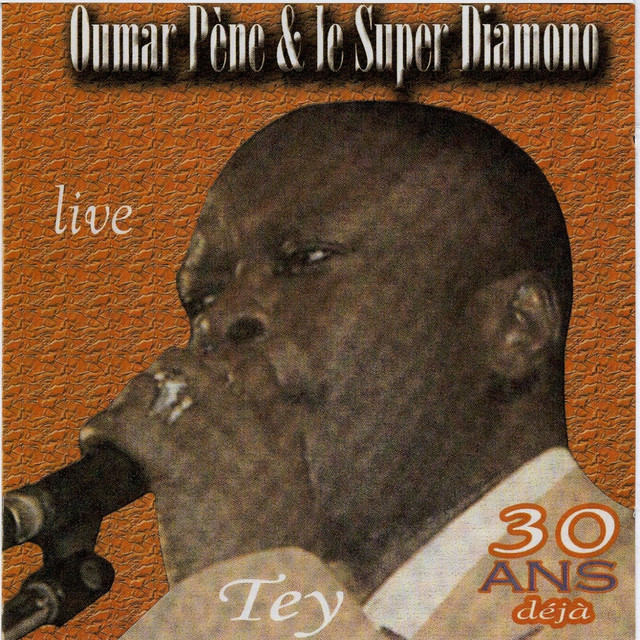
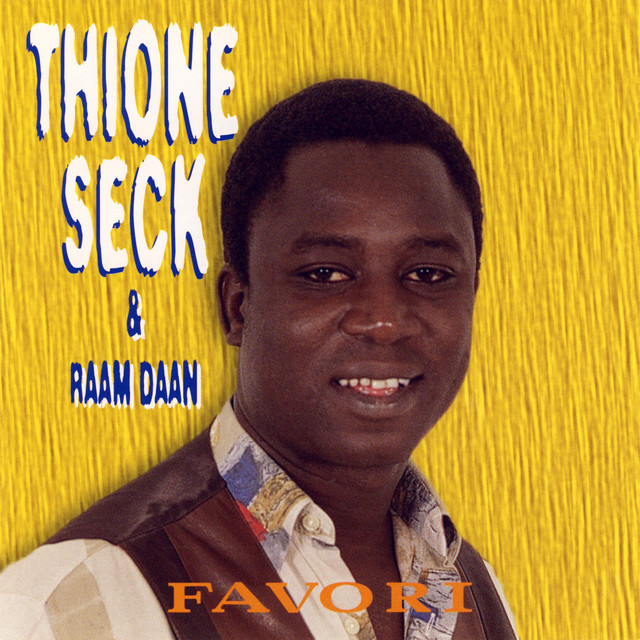
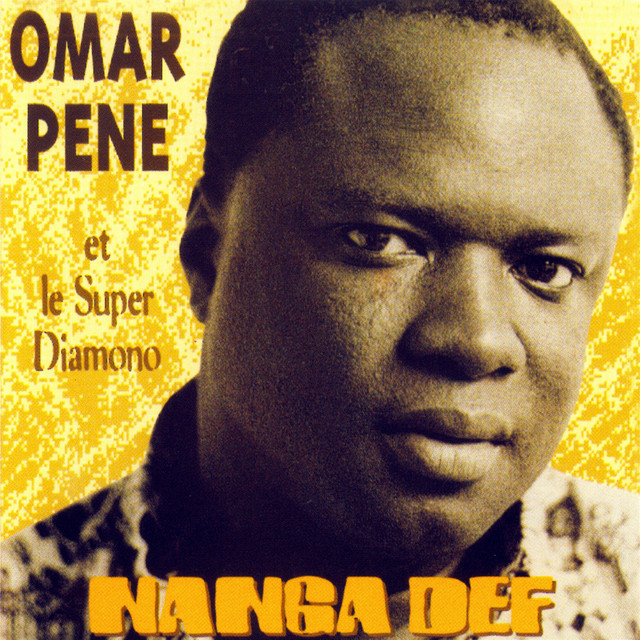
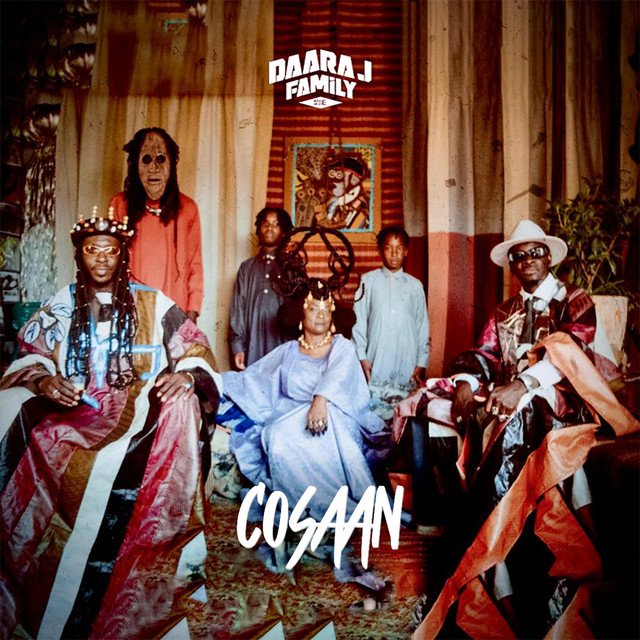
Among the artists who have become emblematic ambassadors of mbalax, Youssou N’Dour stands tallest. His band, Super Étoile de Dakar, helped propel mbalax from clubs and festivals into international arenas from the 1980s onward. N’Dour’s global collaborations—most famously the 7 Seconds duet with Sting—brought mbalax into worldwide attention while staying true to its rhythmic core. Other pivotal figures include Baaba Maal, whose own cross-cultural projects helped broaden the genre’s reach; Ismaël Lô, a singer-guitarist whose songs blend folk-feel lyricism with mbalax’s propulsion; Omar Pène and his collectiveGang; and Thione Seck, a melodic storyteller whose work bridged traditional and modern sensibilities. In later decades, groups like Daara J and other contemporary acts continued to fuse mbalax with hip-hop, reggae, and pop, expanding the language of the genre for new audiences.
Mbalax remains most popular in Senegal and The Gambia, where it continues to be the dominant contemporary sound in clubs, weddings, and national celebrations. It also maintains a strong presence in neighboring West African countries such as Mauritania and Mali, where the sabar groove and the griot tradition resonate with broader musical histories. The Senegalese diaspora—especially in France, but also across Europe and North America—has helped keep mbalax visible and evolving, ensuring it remains a living, evolving art form rather than a historical curiosity.
For listeners, mbalax offers a compelling invitation: immerse in the polyrhythmic conversation of drums, be swept along by joyful vocal lines and infectious basslines, and experience a music that is proudly rooted yet cosmopolitan in its ambitions.
The genre crystallized in Dakar during the late 1960s and 1970s, as urban musicians began to weave traditional Wolof rhythms with foreign influences arriving on a new wave of record production and touring. Central to mbalax is the sabar drum set, played in intricate interlocking patterns that create a wakeful, shifting pulse. The talking drums (tama) and other percussion lay a dense bed for electric guitars, bass, keyboards, and sometimes brass, while the vocals bread in call-and-response and griot storytelling. Though rooted in Wolof-speaking communities, mbalax quickly spread to other languages and regions, becoming a flagship sound of modern Senegalese identity.
In performance, mbalax is as much about the drummer’s virtuosity as the singer’s charisma. It thrives on high-energy crescendos, syncopated clap patterns, and a spirit of communal participation. The genre’s production often embraces contemporary textures—electric grooves, synthesized cues, and studio polish—without sacrificing the essential, drum-led backbone that gives mbalax its distinctive drive. That balance between percussion complexity and melodic accessibility is one reason mbalax has endured across generations.
Among the artists who have become emblematic ambassadors of mbalax, Youssou N’Dour stands tallest. His band, Super Étoile de Dakar, helped propel mbalax from clubs and festivals into international arenas from the 1980s onward. N’Dour’s global collaborations—most famously the 7 Seconds duet with Sting—brought mbalax into worldwide attention while staying true to its rhythmic core. Other pivotal figures include Baaba Maal, whose own cross-cultural projects helped broaden the genre’s reach; Ismaël Lô, a singer-guitarist whose songs blend folk-feel lyricism with mbalax’s propulsion; Omar Pène and his collectiveGang; and Thione Seck, a melodic storyteller whose work bridged traditional and modern sensibilities. In later decades, groups like Daara J and other contemporary acts continued to fuse mbalax with hip-hop, reggae, and pop, expanding the language of the genre for new audiences.
Mbalax remains most popular in Senegal and The Gambia, where it continues to be the dominant contemporary sound in clubs, weddings, and national celebrations. It also maintains a strong presence in neighboring West African countries such as Mauritania and Mali, where the sabar groove and the griot tradition resonate with broader musical histories. The Senegalese diaspora—especially in France, but also across Europe and North America—has helped keep mbalax visible and evolving, ensuring it remains a living, evolving art form rather than a historical curiosity.
For listeners, mbalax offers a compelling invitation: immerse in the polyrhythmic conversation of drums, be swept along by joyful vocal lines and infectious basslines, and experience a music that is proudly rooted yet cosmopolitan in its ambitions.