Genre
mbira
Top Mbira Artists
Showing 23 of 23 artists





About Mbira
Mbira, often called the thumb piano, is more than an instrument in Zimbabwean culture—it is a living soundscape that carries history, ritual, and a distinctly interlocking groove. In music terms, it’s a family of lamellaphones (metal tines mounted on a wooden board) whose bright, resonant plucks are produced with the thumbs and sometimes the forefingers. The result is a shimmering, meditative texture that invites both trance-like concentration and communal participation. Core to the sound are the hosho, gourd rattles that keep time and punctuate the interlocking patterns.
Origins and core concepts
Mbira music belongs to the Shona-speaking world of Zimbabwe and has roots that stretch back many centuries. In practice, mbira is inseparable from bira ceremonies, where the living call on ancestral spirits for guidance, protection, and healing. A central feature of traditional mbira performance is the interplay between two melodic layers: the leading part, known as kushaura, and the accompanying riffs, or kudeketara. These interlocking patterns create a woven texture that is both hypnotic and dynamic. The repertoire is often associated with Mbira dzavadzimu—“the mbira of the ancestors”—a lineage of songs and rituals that underscores memory, lineage, and healing.
Instrument, technique, and ensembles
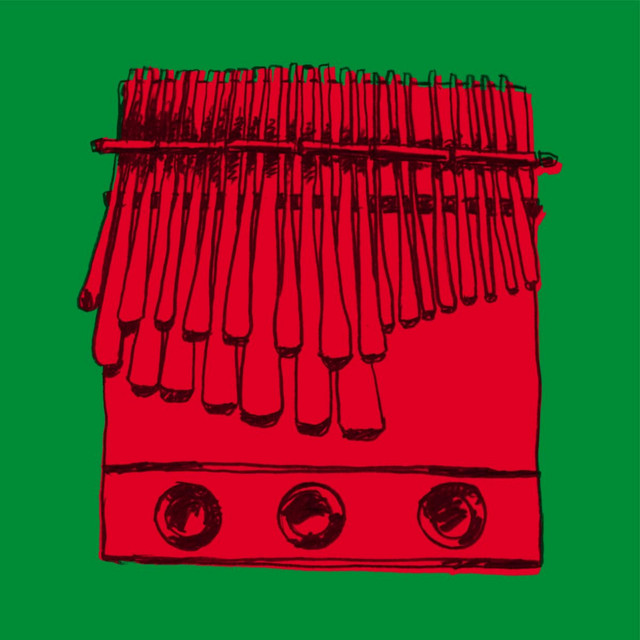
Mbira tines are typically arranged on a wooden soundboard or bottle-cap resonator, and the number of tines varies widely from instrument to instrument. The performer’s thumbs strike groups of tines, sometimes with the help of a sing-song vocal line and the steady pulse of hosho. The result is a sound that travels through space—bright, metallic, and buoyant—yet grounded by the deep drone of the wooden body and the heartbeat-like rattle of the hosho. In many traditional settings, the mbira is played in small ensembles, sometimes with one player carrying the lead and others providing accompaniment, while singers chant or call-and-response with the music.
Ambassadors and key figures
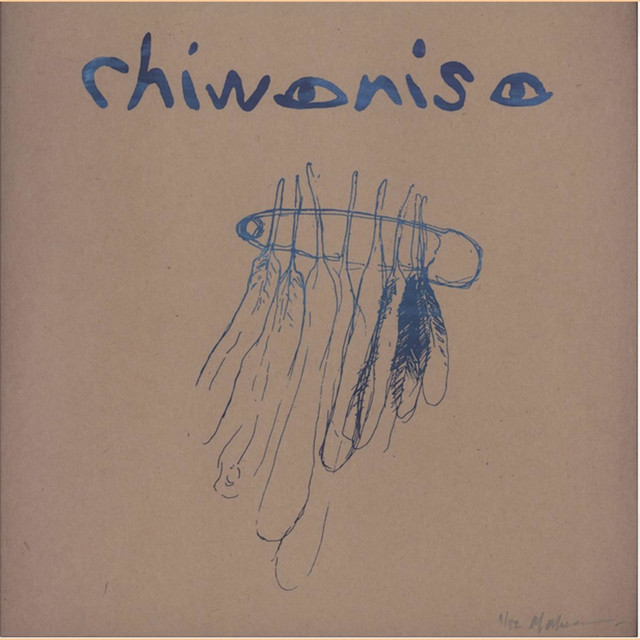
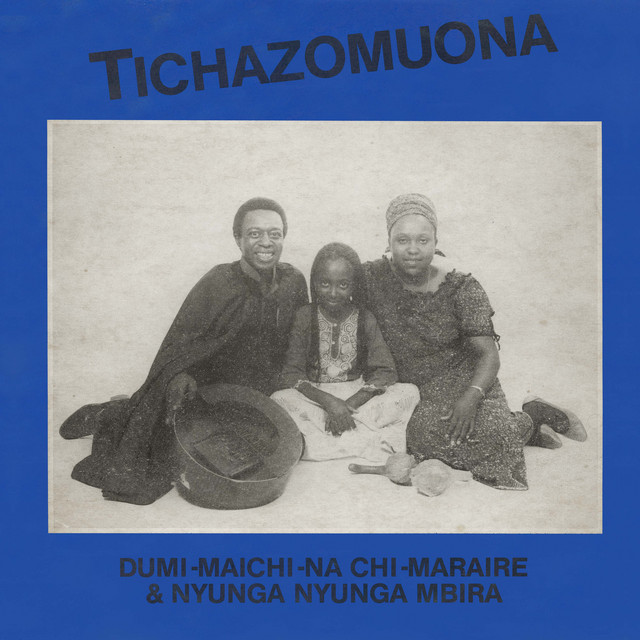
Mbira has found ambassadors both within Zimbabwe and abroad. In Zimbabwe, Stella Chiweshe—often hailed as the Queen of Mbira—became an iconic ambassador of the instrument, elevating mbira performance to a national and international stage through powerful, expressive playing and recordings in the late 20th century. The Maraire family has also been instrumental in sharing mbira with the world: Dumisani “Dumi” Maraire and his ensemble Mbira dzaVadzimu helped introduce mbira to North American audiences after relocating to the United States, where they taught and recorded, notably inspiring a generation of players in the diaspora. Chiwoniso Maraire, Dumi’s daughter, bridged traditional mbira with contemporary styles, bringing mbira to younger listeners and modern audiences worldwide. These artists—among others—have helped mbira move from ritual spaces into concert halls and recording studios.
Global reach and popularity
Zimbabwe remains the epicenter of mbira culture, but its reach extends far beyond its borders. In Europe, North America, and beyond, mbira developed a dedicated audience among world music fans and ethnomusicology circles. Diaspora communities, academic programs, and fusion projects have kept the sound evolving—often pairing mbira with jazz, classical, electronic, or rock textures while preserving its ceremonial roots. Today, mbira concerts, workshops, and collaborations can be found in many countries, making the genre a global ambassador for Zimbabwean culture.
In sum, mbira is a music of both ancestor and innovator: ancient ritual memory carried forward with contemporary grace, played thumb-to-thumb in a continuum that invites listening, participation, and reflection.
Origins and core concepts
Mbira music belongs to the Shona-speaking world of Zimbabwe and has roots that stretch back many centuries. In practice, mbira is inseparable from bira ceremonies, where the living call on ancestral spirits for guidance, protection, and healing. A central feature of traditional mbira performance is the interplay between two melodic layers: the leading part, known as kushaura, and the accompanying riffs, or kudeketara. These interlocking patterns create a woven texture that is both hypnotic and dynamic. The repertoire is often associated with Mbira dzavadzimu—“the mbira of the ancestors”—a lineage of songs and rituals that underscores memory, lineage, and healing.
Instrument, technique, and ensembles
Mbira tines are typically arranged on a wooden soundboard or bottle-cap resonator, and the number of tines varies widely from instrument to instrument. The performer’s thumbs strike groups of tines, sometimes with the help of a sing-song vocal line and the steady pulse of hosho. The result is a sound that travels through space—bright, metallic, and buoyant—yet grounded by the deep drone of the wooden body and the heartbeat-like rattle of the hosho. In many traditional settings, the mbira is played in small ensembles, sometimes with one player carrying the lead and others providing accompaniment, while singers chant or call-and-response with the music.
Ambassadors and key figures
Mbira has found ambassadors both within Zimbabwe and abroad. In Zimbabwe, Stella Chiweshe—often hailed as the Queen of Mbira—became an iconic ambassador of the instrument, elevating mbira performance to a national and international stage through powerful, expressive playing and recordings in the late 20th century. The Maraire family has also been instrumental in sharing mbira with the world: Dumisani “Dumi” Maraire and his ensemble Mbira dzaVadzimu helped introduce mbira to North American audiences after relocating to the United States, where they taught and recorded, notably inspiring a generation of players in the diaspora. Chiwoniso Maraire, Dumi’s daughter, bridged traditional mbira with contemporary styles, bringing mbira to younger listeners and modern audiences worldwide. These artists—among others—have helped mbira move from ritual spaces into concert halls and recording studios.
Global reach and popularity
Zimbabwe remains the epicenter of mbira culture, but its reach extends far beyond its borders. In Europe, North America, and beyond, mbira developed a dedicated audience among world music fans and ethnomusicology circles. Diaspora communities, academic programs, and fusion projects have kept the sound evolving—often pairing mbira with jazz, classical, electronic, or rock textures while preserving its ceremonial roots. Today, mbira concerts, workshops, and collaborations can be found in many countries, making the genre a global ambassador for Zimbabwean culture.
In sum, mbira is a music of both ancestor and innovator: ancient ritual memory carried forward with contemporary grace, played thumb-to-thumb in a continuum that invites listening, participation, and reflection.