Genre
mecha
Top Mecha Artists
Showing 25 of 99 artists











21
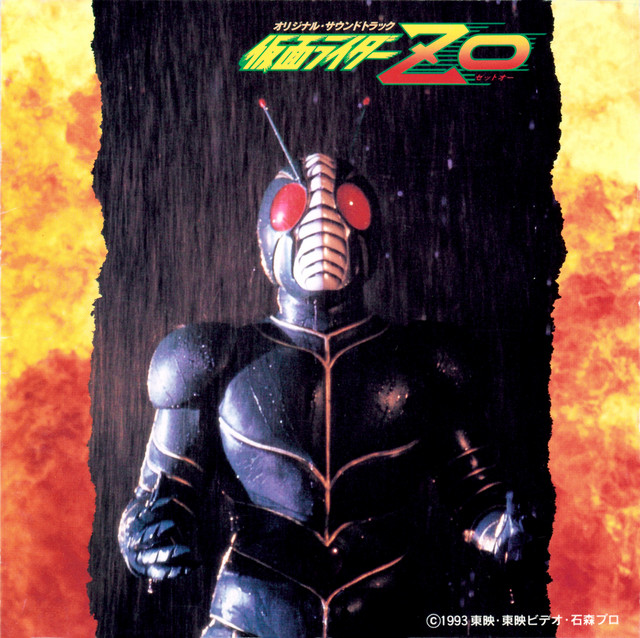
川村栄二
407
5,512 listeners
22

鳴海荘吉
1,356
5,512 listeners
24

大石ルミ
979
3,654 listeners
About Mecha
Mecha is a music genre concept that electronic-music enthusiasts use to describe a family of tracks and scenes built around precision, machine-like textures, and a cool, industrial mood. It isn’t a single codified style with a strict set of rules, but rather a shared language that binds techno, industrial, glitch, and experimental electronics into a robotic sonic world. If you listen for the sense of things built to operate with exacting tact, you’re likely hearing something “mecha.”
Origins and conception
The mecha vibe coalesced in the 2010s as underground techno and industrial scenes traded in harsher, more mechanical timbres. Fans draw a line from the cold, metallic sounds of industrial acts to the robotic rhythms favored by techno producers, then push that aesthetic toward a more modular, timbre-focused approach. The imagery associated with mecha—machines, hydraulics, robotic labor—finds its way into artwork, live visuals, and the overall atmosphere of many sets and releases. In practice, mecha can show up as a track’s core idea or as a broader mood in a night’s program: music that evokes gears turning, pistons firing, and urban dystopias.
Sound and production hallmarks
What makes a track feel “mecha” is less about a single tempo and more about texture and rhythm. Expect tight, punchy percussion with a mechanical snap—often a drumline that feels engineered rather than human. Metallic clangs, clipped hi-hats, and resonant reeses or sine-bass lines give a sense of industrial weight. Synthesis tends toward crisp, metallic timbres—glassiness, chain-like textures, and analog warmth captured in a cold, surgical envelope. The atmosphere leans toward the dystopian and the cinematic, with generous use of field recordings (machinery, vents, hydraulics) and sound design that emphasizes contour and precision. Tempos vary: some mecha tracks rest in mid-tempo techno ranges (roughly 120–140 BPM), while others push into harder terrain (140–170 BPM) or explore slower, ambient-meets-mechanical textures.
Geography and scenes
Mecha’s appeal is global, but it has found strong footing in places where industrial and techno cultures collide. Germany’s hard-edged techno clubs, Japan’s cyberpunk-inflected electronic culture, and Eastern Europe’s network of experimental and industrial nights have all contributed to the sound. Online scenes—Bandcamp, SoundCloud playlists, and niche labels—help the genre travel across borders, so listeners in cities from Berlin to Moscow to Tokyo can discover tracks that fit the mecha sensibility.
Ambassadors and suggested listening
Because mecha is a fluid term, its “ambassadors” are more like representative voices who exemplify the aesthetic in related scenes. In the modern toolkit, producers such as Blawan, Perc, Kangding Ray, Phase Fatale, and Kobosil are often cited for their machine-like percussion, austere textures, and willingness to push techno toward industrial edges. For historical context, influences from industrial pioneers like Front 242 and Einstürzende Neubauten echo in the emphasis on metallic timbres and mechanical atmospheres. These figures aren’t gatekeepers of a rigid category, but they help illuminate the lineage and the current vitality of the mecha vibe.
Recommended approach for newcomers
Start by listening to sets and releases from industrial techno and hard-tech labels that foreground clean, engineered textures. Pay attention to how percussion is treated: is it a drum machine’s precise cadence, or a mechanical impulse programmed to feel almost animate? Notice the how-close-to-silence moments, the metallic ring, and the way the track builds a sense of machine workspace and urban futurism. If that cold, powerful, robotic energy resonates, you’ve found the core of mecha.
Origins and conception
The mecha vibe coalesced in the 2010s as underground techno and industrial scenes traded in harsher, more mechanical timbres. Fans draw a line from the cold, metallic sounds of industrial acts to the robotic rhythms favored by techno producers, then push that aesthetic toward a more modular, timbre-focused approach. The imagery associated with mecha—machines, hydraulics, robotic labor—finds its way into artwork, live visuals, and the overall atmosphere of many sets and releases. In practice, mecha can show up as a track’s core idea or as a broader mood in a night’s program: music that evokes gears turning, pistons firing, and urban dystopias.
Sound and production hallmarks
What makes a track feel “mecha” is less about a single tempo and more about texture and rhythm. Expect tight, punchy percussion with a mechanical snap—often a drumline that feels engineered rather than human. Metallic clangs, clipped hi-hats, and resonant reeses or sine-bass lines give a sense of industrial weight. Synthesis tends toward crisp, metallic timbres—glassiness, chain-like textures, and analog warmth captured in a cold, surgical envelope. The atmosphere leans toward the dystopian and the cinematic, with generous use of field recordings (machinery, vents, hydraulics) and sound design that emphasizes contour and precision. Tempos vary: some mecha tracks rest in mid-tempo techno ranges (roughly 120–140 BPM), while others push into harder terrain (140–170 BPM) or explore slower, ambient-meets-mechanical textures.
Geography and scenes
Mecha’s appeal is global, but it has found strong footing in places where industrial and techno cultures collide. Germany’s hard-edged techno clubs, Japan’s cyberpunk-inflected electronic culture, and Eastern Europe’s network of experimental and industrial nights have all contributed to the sound. Online scenes—Bandcamp, SoundCloud playlists, and niche labels—help the genre travel across borders, so listeners in cities from Berlin to Moscow to Tokyo can discover tracks that fit the mecha sensibility.
Ambassadors and suggested listening
Because mecha is a fluid term, its “ambassadors” are more like representative voices who exemplify the aesthetic in related scenes. In the modern toolkit, producers such as Blawan, Perc, Kangding Ray, Phase Fatale, and Kobosil are often cited for their machine-like percussion, austere textures, and willingness to push techno toward industrial edges. For historical context, influences from industrial pioneers like Front 242 and Einstürzende Neubauten echo in the emphasis on metallic timbres and mechanical atmospheres. These figures aren’t gatekeepers of a rigid category, but they help illuminate the lineage and the current vitality of the mecha vibe.
Recommended approach for newcomers
Start by listening to sets and releases from industrial techno and hard-tech labels that foreground clean, engineered textures. Pay attention to how percussion is treated: is it a drum machine’s precise cadence, or a mechanical impulse programmed to feel almost animate? Notice the how-close-to-silence moments, the metallic ring, and the way the track builds a sense of machine workspace and urban futurism. If that cold, powerful, robotic energy resonates, you’ve found the core of mecha.