Genre
medieval metal
Top Medieval metal Artists
Showing 25 of 363 artists



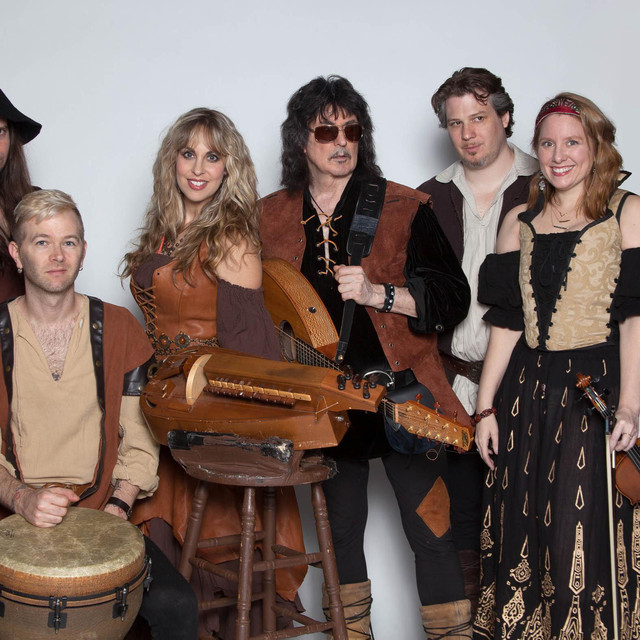
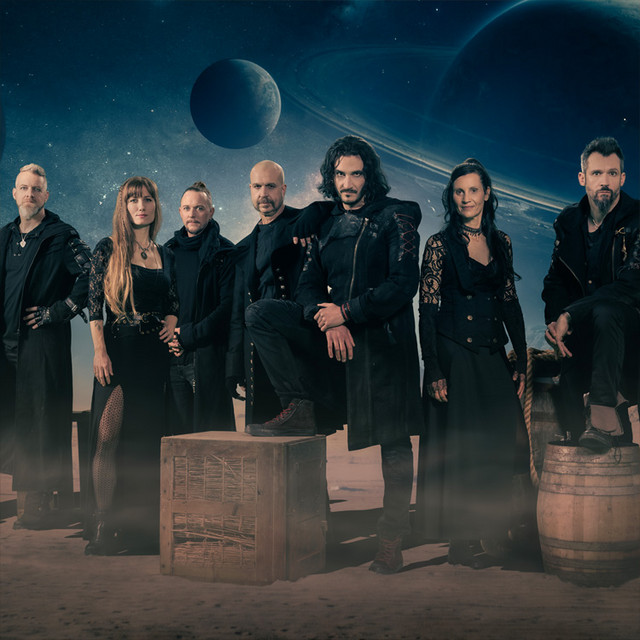
About Medieval metal
Medieval metal is a fusion genre that blends the raw power and aggression of heavy metal with the textures, melodies, and storytelling tropes of medieval and early music. It is not simply metal with a fantasy veneer; it is an attempt to evoke a medieval atmosphere through harmony, instrumentation, and lyric imagery, while still delivering the intensity and precision that metal fans crave. The result can feel like a sonic tapestry: heavy guitar riffs underpinned by chant-like vocals, acoustic lutes and hurdy-gurdy alternating with electric guitars, and often a fierce, rhythmic drive that could power a crusader march as easily as a concert pit.
Origins and birth of the sound
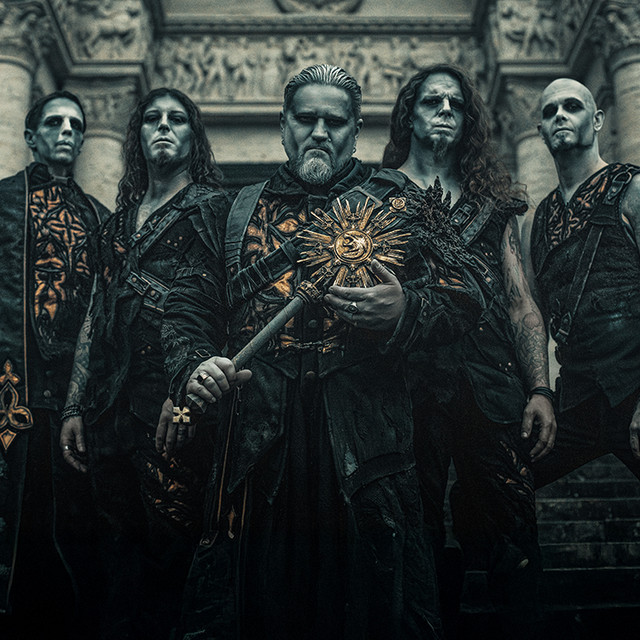
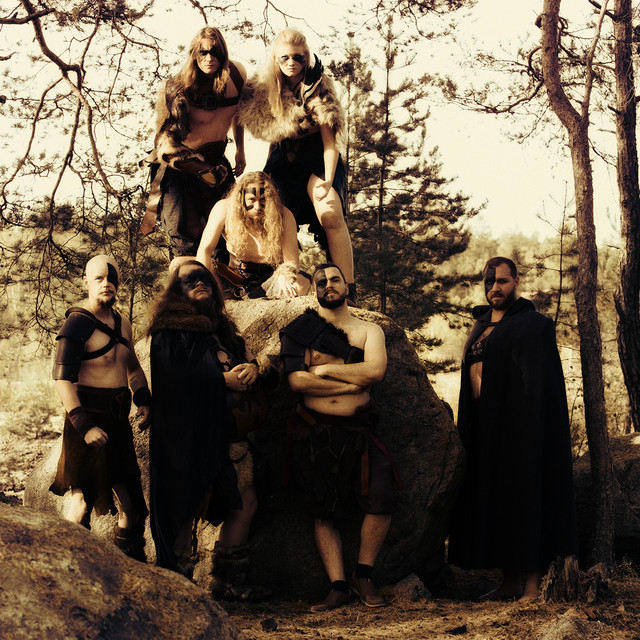
Medieval metal began taking shape in Europe during the 1990s as bands started drawing on medieval aesthetics more explicitly while incorporating traditional metal dynamics. German acts such as In Extremo helped define the look and feel: stage costumes, historical imagery, and the use of authentic medieval instruments like bagpipes, shawm, and hurdy-gurdy alongside electric guitars. Around the same period, Haggard blended doom and death metal with early music ensembles—choirs, violas, and period instruments—creating a more orchestral, liturgical weight. These early pioneers established a template: metal energy married to medieval mood, with language and lore drawn from European history and legend.
Key artists and ambassadors
- In Extremo (Germany) is often cited as a flagship medieval metal act. They popularized a concert experience that mixes historical instrumentation with metal intensity and have become a touchstone for the genre’s live appeal.
- Haggard (Germany) brought a scholarly depth to the scene, merging metal with early music aesthetics, choir elements, and instrumentation that nods to medieval and Renaissance traditions.
- Eluveitie (Switzerland) expanded the palette with Celtic and ancient-language lyrics, blending aggressive guitar work with a wide array of folk instruments, creating a bridge between medieval mood and modern folk-metal vitality.
- Faun (Germany) leans further into neofolk and medieval-inspired soundscapes, often blurring the lines with folk metal and ambient medieval atmospherics.
- The genre also finds enthusiastic participants across Austria, the Netherlands, and other parts of Europe, where medieval fairs, castles, and historical reenactments foster a receptive audience.
Musical language and common traits
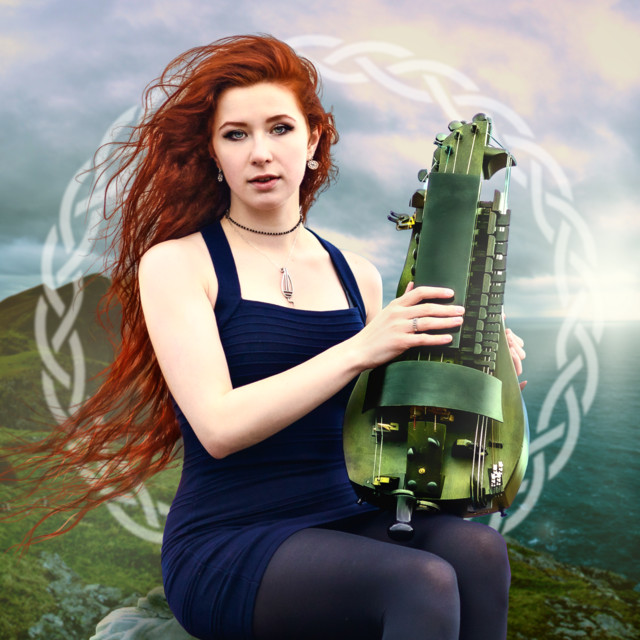
- Instrumentation often includes hurdy-gurdy, lute, vielle, bagpipes, shawms, and other period instruments, layered over traditional metal guitar riffs, bass, and drums.
- Vocals can range from harsh growls and screams to clean, chant-like singing, sometimes in Latin, German, French, or other regional languages.
- Lyrical themes commonly address knights and chivalry, legends and crusades, courtly love, alchemy, and medieval folklore, though some bands explore historical events or mythical narratives through a modern lens.
- The production tends to emphasize a grand, cinematic feel in many projects, with choirs or layered vocal textures delivering a sense of antiquity.
Geography and cultural footprint
Germany and Switzerland are among the hotbeds of medieval metal, with a strong network of bands, festivals, and dedicated audiences. Austria and the broader Central European scene also contribute significantly, while the style has inspired acts and fans across Europe and beyond. You’ll often find medieval metal appreciated at castle festivals and dedicated folk/medieval events, where the aesthetics align with the music’s historical mood.
For enthusiasts, medieval metal offers the thrill of a live battlefield and the sophistication of early musical storytelling, all wrapped in the visceral energy of metal. It’s a continually evolving cross-proad between antiquity and provocation, inviting listeners to hear history emerge with every chord.
Origins and birth of the sound
Medieval metal began taking shape in Europe during the 1990s as bands started drawing on medieval aesthetics more explicitly while incorporating traditional metal dynamics. German acts such as In Extremo helped define the look and feel: stage costumes, historical imagery, and the use of authentic medieval instruments like bagpipes, shawm, and hurdy-gurdy alongside electric guitars. Around the same period, Haggard blended doom and death metal with early music ensembles—choirs, violas, and period instruments—creating a more orchestral, liturgical weight. These early pioneers established a template: metal energy married to medieval mood, with language and lore drawn from European history and legend.
Key artists and ambassadors
- In Extremo (Germany) is often cited as a flagship medieval metal act. They popularized a concert experience that mixes historical instrumentation with metal intensity and have become a touchstone for the genre’s live appeal.
- Haggard (Germany) brought a scholarly depth to the scene, merging metal with early music aesthetics, choir elements, and instrumentation that nods to medieval and Renaissance traditions.
- Eluveitie (Switzerland) expanded the palette with Celtic and ancient-language lyrics, blending aggressive guitar work with a wide array of folk instruments, creating a bridge between medieval mood and modern folk-metal vitality.
- Faun (Germany) leans further into neofolk and medieval-inspired soundscapes, often blurring the lines with folk metal and ambient medieval atmospherics.
- The genre also finds enthusiastic participants across Austria, the Netherlands, and other parts of Europe, where medieval fairs, castles, and historical reenactments foster a receptive audience.
Musical language and common traits
- Instrumentation often includes hurdy-gurdy, lute, vielle, bagpipes, shawms, and other period instruments, layered over traditional metal guitar riffs, bass, and drums.
- Vocals can range from harsh growls and screams to clean, chant-like singing, sometimes in Latin, German, French, or other regional languages.
- Lyrical themes commonly address knights and chivalry, legends and crusades, courtly love, alchemy, and medieval folklore, though some bands explore historical events or mythical narratives through a modern lens.
- The production tends to emphasize a grand, cinematic feel in many projects, with choirs or layered vocal textures delivering a sense of antiquity.
Geography and cultural footprint
Germany and Switzerland are among the hotbeds of medieval metal, with a strong network of bands, festivals, and dedicated audiences. Austria and the broader Central European scene also contribute significantly, while the style has inspired acts and fans across Europe and beyond. You’ll often find medieval metal appreciated at castle festivals and dedicated folk/medieval events, where the aesthetics align with the music’s historical mood.
For enthusiasts, medieval metal offers the thrill of a live battlefield and the sophistication of early musical storytelling, all wrapped in the visceral energy of metal. It’s a continually evolving cross-proad between antiquity and provocation, inviting listeners to hear history emerge with every chord.