Genre
melbourne bounce
Top Melbourne bounce Artists
Showing 25 of 1,383 artists












About Melbourne bounce
Melbourne bounce is the high-energy, party-first subgenre of electronic dance music that grew out of Melbourne’s club scene in the early 2010s. Rooted in electro house and big-room tendencies, it carved a distinct identity with a springy, “bouncy” bassline, punchy kick drums, and ruthless drops designed to ignite crowds. The sound sits at roughly 125–130 BPM, but what sets it apart is the rhythm: a tight, offbeat bass groove that seems to bounce between the kicks, paired with short, punchy synth stabs and vocal chops that slam into the drop. It’s built for peak-time crush culture, where DJs seed anticipation with builds and then unleash a loud, communal chorus.
Origins trace back to Melbourne’s nightlife circa 2010–2012, when local producers started tweaking electro house and Dutch-house motifs into something more direct and festival-ready. The scene benefited from Melbourne’s club infrastructure, talented engineers, and a steady stream of big-room DJs who helped translate the sound beyond the city limits. By 2012–2013 the term Melbourne bounce had become widely used, with dedicated parties, mix compilations, and a growing international curiosity about the “bounce” kick and its infectious groove.
In terms of production, Melbourne bounce is characterized by a few signature elements. The bassline often employs a jangly, elastic feel that “bounces” around the kick, creating a palpable sense of swing even on a 4/4 grid. Producers favor catchy vocal chops, bright lead synths, and rhythmic stabs that punctuate the drop. The arrangement leans toward high-energy builds and dramatic, crowd-pleasing drops, tuned for the kind of hands-in-the-air moment that works in both club rooms and festival fields. In essence, it blends the intensity of electro and big-room with a playful, almost mischievous groove that invites listeners to move.
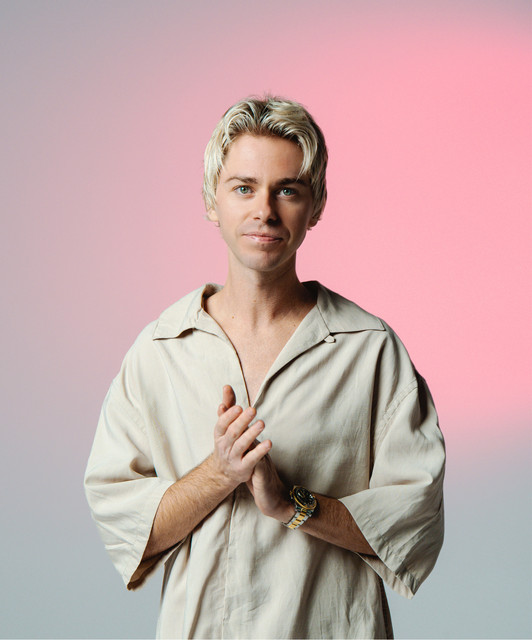
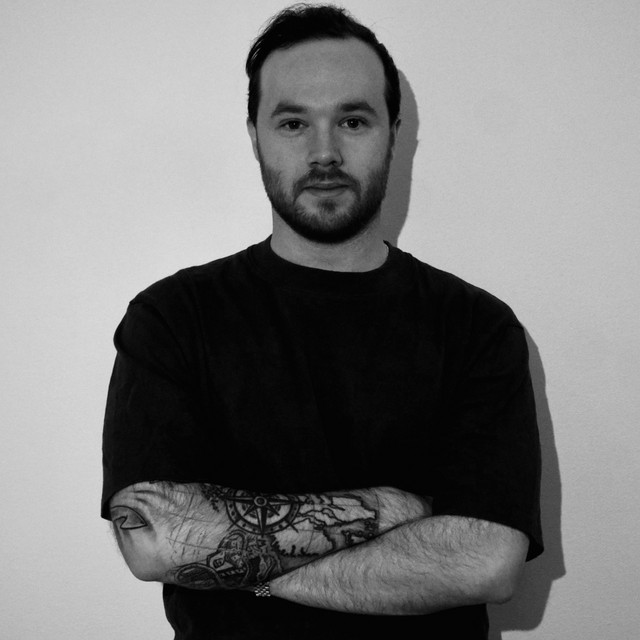
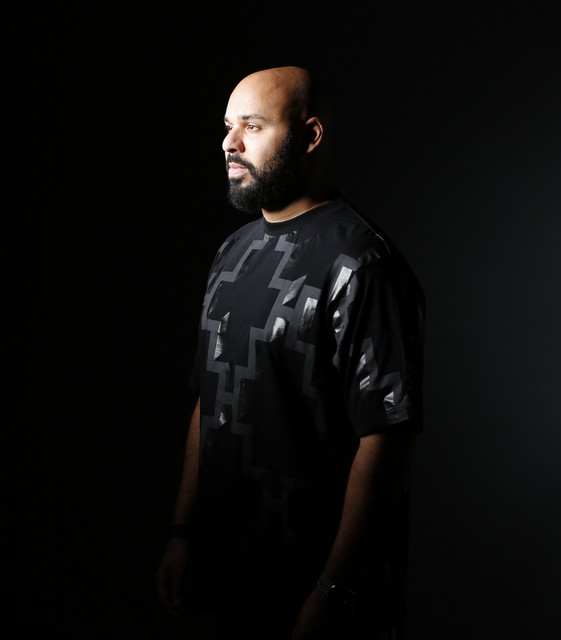
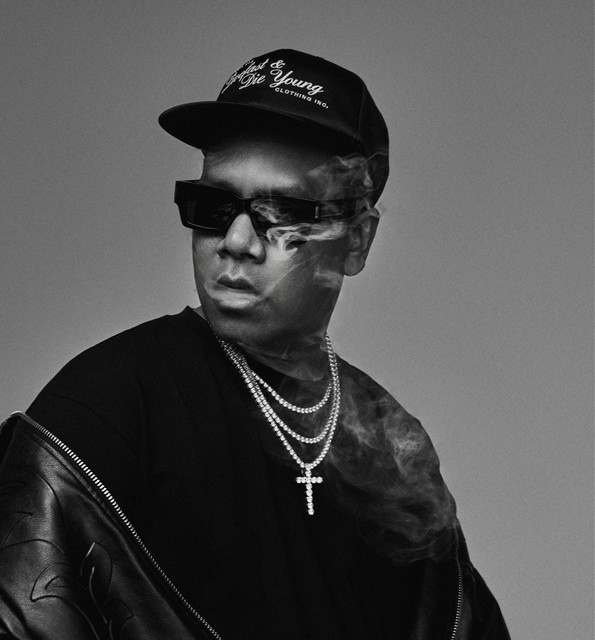
From the start, Melbourne bounce found its most influential ambassadors in Australia. Will Sparks became one of the genre’s most recognizable faces, helping to popularize the sound with a string of festival-ready bangers and club-friendly productions. Joel Fletcher also emerged as a key figure, shaping the sound with his own punchy, bass-forward tracks. Timmy Trumpet joined the conversation later, bringing a distinctive live element (the trumpet) into high-octane bounce sets and collaborations. Other Australian producers—along with international peers who embraced the style—helped push the sound into broader ears, turning Melbourne into a launchpad for tunes that traveled worldwide.
Today, Melbourne bounce is most deeply rooted in Australia, where it remains a staple in the club circuit and festival lineups. It has also found audiences in Europe and North America, especially in country markets with strong EDM scenes like the United Kingdom, the Netherlands, Spain, and parts of Asia. The genre’s footprint fluctuates with trends in the larger EDM ecosystem, but its core appeal—an exuberant, bass-driven energy designed for collective euphoria—continues to attract enthusiasts who crave music that makes the room move.
For music lovers exploring the evolution of festival EDM, Melbourne bounce represents a precise moment when a city’s nightlife gave birth to a sound with a definable groove, a clear party mandate, and ambassadors who helped propel it onto stages around the world.
Origins trace back to Melbourne’s nightlife circa 2010–2012, when local producers started tweaking electro house and Dutch-house motifs into something more direct and festival-ready. The scene benefited from Melbourne’s club infrastructure, talented engineers, and a steady stream of big-room DJs who helped translate the sound beyond the city limits. By 2012–2013 the term Melbourne bounce had become widely used, with dedicated parties, mix compilations, and a growing international curiosity about the “bounce” kick and its infectious groove.
In terms of production, Melbourne bounce is characterized by a few signature elements. The bassline often employs a jangly, elastic feel that “bounces” around the kick, creating a palpable sense of swing even on a 4/4 grid. Producers favor catchy vocal chops, bright lead synths, and rhythmic stabs that punctuate the drop. The arrangement leans toward high-energy builds and dramatic, crowd-pleasing drops, tuned for the kind of hands-in-the-air moment that works in both club rooms and festival fields. In essence, it blends the intensity of electro and big-room with a playful, almost mischievous groove that invites listeners to move.
From the start, Melbourne bounce found its most influential ambassadors in Australia. Will Sparks became one of the genre’s most recognizable faces, helping to popularize the sound with a string of festival-ready bangers and club-friendly productions. Joel Fletcher also emerged as a key figure, shaping the sound with his own punchy, bass-forward tracks. Timmy Trumpet joined the conversation later, bringing a distinctive live element (the trumpet) into high-octane bounce sets and collaborations. Other Australian producers—along with international peers who embraced the style—helped push the sound into broader ears, turning Melbourne into a launchpad for tunes that traveled worldwide.
Today, Melbourne bounce is most deeply rooted in Australia, where it remains a staple in the club circuit and festival lineups. It has also found audiences in Europe and North America, especially in country markets with strong EDM scenes like the United Kingdom, the Netherlands, Spain, and parts of Asia. The genre’s footprint fluctuates with trends in the larger EDM ecosystem, but its core appeal—an exuberant, bass-driven energy designed for collective euphoria—continues to attract enthusiasts who crave music that makes the room move.
For music lovers exploring the evolution of festival EDM, Melbourne bounce represents a precise moment when a city’s nightlife gave birth to a sound with a definable groove, a clear party mandate, and ambassadors who helped propel it onto stages around the world.