Genre
melodic death metal
Top Melodic death metal Artists
Showing 25 of 1,750 artists

About Melodic death metal
Melodic death metal is a subgenre of death metal that marries the relentless drive of extreme metal with bright melodies. It balances aggression with harmonies, soaring leads, and cinematic phrasing, producing songs that feel brutal yet engaging.
Origins trace to the early 1990s in Gothenburg, Sweden, where a tight circle of bands refined a distinctive approach later called the Gothenburg sound. In 1995, At the Gates released Slaughter of the Soul, a touchstone in terms of precision and melodic influence. Dark Tranquillity followed with The Gallery (1995), and In Flames released The Jester Race (1996), introducing intertwining guitar lines, tremolo-picked riffs, and melodic solos into death metal without surrendering velocity or aggression. This blend would go on to define a generation of bands across Europe.
Core characteristics include dual guitar harmonies and rapid tempo shifts, played over pummeling drums and deep, growled vocals. Melodic hooks emerge through harmonized guitar lines, memorable refrains, and keyboard textures that heighten atmosphere. While some acts lean toward brutal ferocity, others emphasize anthemic, almost power-metal-like melodies, and many bands carve a balance that rewards listening.
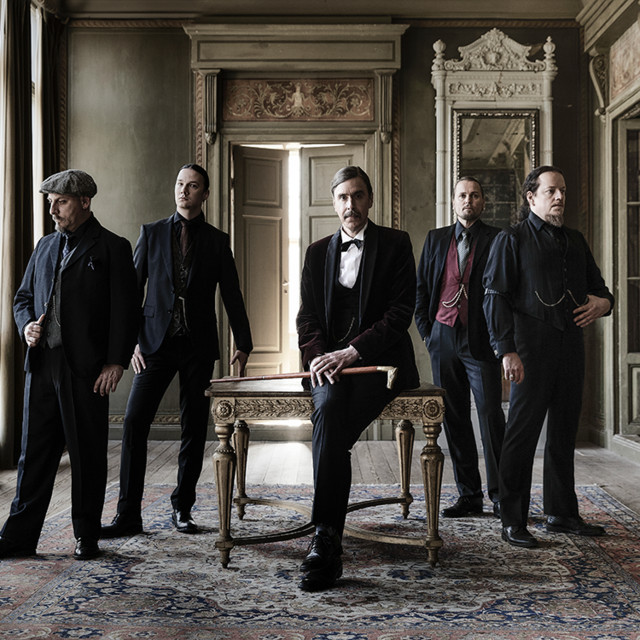
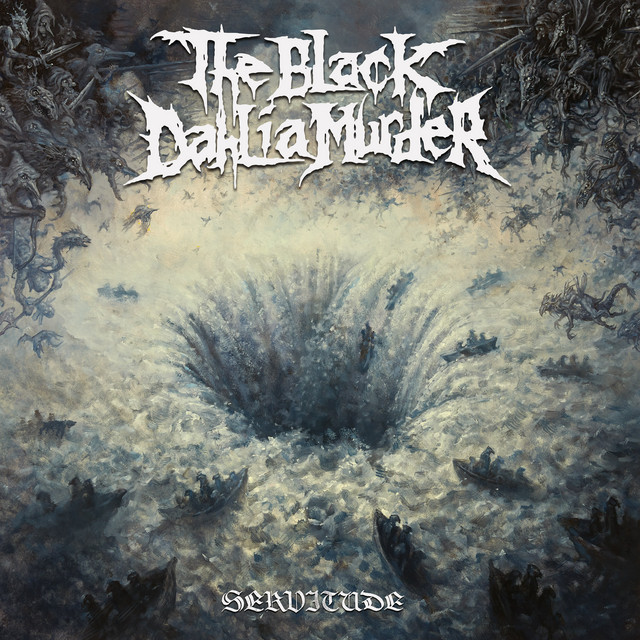
The style blossomed in the late 1990s and into the 2000s, spreading beyond Sweden into Finland and the rest of Europe. Finnish groups such as Children of Bodom and Insomnium, as well as German and Swiss acts, helped push technical precision and emotional depth. In the United States and elsewhere, bands such as Arch Enemy, Soilwork, The Black Dahlia Murder, and Amon Amarth kept the torch lit, each applying their own twist—Arch Enemy with sharp melodic hooks and growled versus cleanly sung passages, Amon Amarth infusing Viking-themed imagery and rhythm, and Soilwork mixing progressive textures with heavy riffs.
Ambassadors and flag-bearers of the genre include the early Gothenburg pioneers—In Flames, Dark Tranquillity, and At the Gates—whose records shaped the blueprint for what melodic death metal could sound like. Over time, newer generations of artists such as Children of Bodom, Insomnium, and one of the era’s most prominent acts, Amon Amarth, broadened the audience and expanded the sonic palette to include symphonic, blackened, or folk-inflected moments.
Lyric themes often explore existential dread, nature, and myth, with some bands weaving fantasy. Production has evolved from the crisp tones of early records to modern, polished mixes that retain melodic clarity while preserving heaviness. Many albums blend analog warmth with tight drums and keyboard textures to heighten atmosphere. On stage, melodic death metal delivers high-energy shows: tremolo picking, precise double-bass, and crowd choruses. The genre remains adaptable—some acts lean toward brutal riffing, others toward melodic, even symphonic contours—keeping it vital for new generations of players and listeners. Fans savor the emotional depth.
Origins trace to the early 1990s in Gothenburg, Sweden, where a tight circle of bands refined a distinctive approach later called the Gothenburg sound. In 1995, At the Gates released Slaughter of the Soul, a touchstone in terms of precision and melodic influence. Dark Tranquillity followed with The Gallery (1995), and In Flames released The Jester Race (1996), introducing intertwining guitar lines, tremolo-picked riffs, and melodic solos into death metal without surrendering velocity or aggression. This blend would go on to define a generation of bands across Europe.
Core characteristics include dual guitar harmonies and rapid tempo shifts, played over pummeling drums and deep, growled vocals. Melodic hooks emerge through harmonized guitar lines, memorable refrains, and keyboard textures that heighten atmosphere. While some acts lean toward brutal ferocity, others emphasize anthemic, almost power-metal-like melodies, and many bands carve a balance that rewards listening.
The style blossomed in the late 1990s and into the 2000s, spreading beyond Sweden into Finland and the rest of Europe. Finnish groups such as Children of Bodom and Insomnium, as well as German and Swiss acts, helped push technical precision and emotional depth. In the United States and elsewhere, bands such as Arch Enemy, Soilwork, The Black Dahlia Murder, and Amon Amarth kept the torch lit, each applying their own twist—Arch Enemy with sharp melodic hooks and growled versus cleanly sung passages, Amon Amarth infusing Viking-themed imagery and rhythm, and Soilwork mixing progressive textures with heavy riffs.
Ambassadors and flag-bearers of the genre include the early Gothenburg pioneers—In Flames, Dark Tranquillity, and At the Gates—whose records shaped the blueprint for what melodic death metal could sound like. Over time, newer generations of artists such as Children of Bodom, Insomnium, and one of the era’s most prominent acts, Amon Amarth, broadened the audience and expanded the sonic palette to include symphonic, blackened, or folk-inflected moments.
Lyric themes often explore existential dread, nature, and myth, with some bands weaving fantasy. Production has evolved from the crisp tones of early records to modern, polished mixes that retain melodic clarity while preserving heaviness. Many albums blend analog warmth with tight drums and keyboard textures to heighten atmosphere. On stage, melodic death metal delivers high-energy shows: tremolo picking, precise double-bass, and crowd choruses. The genre remains adaptable—some acts lean toward brutal riffing, others toward melodic, even symphonic contours—keeping it vital for new generations of players and listeners. Fans savor the emotional depth.