Genre
melodic hardcore
Top Melodic hardcore Artists
Showing 25 of 1,676 artists



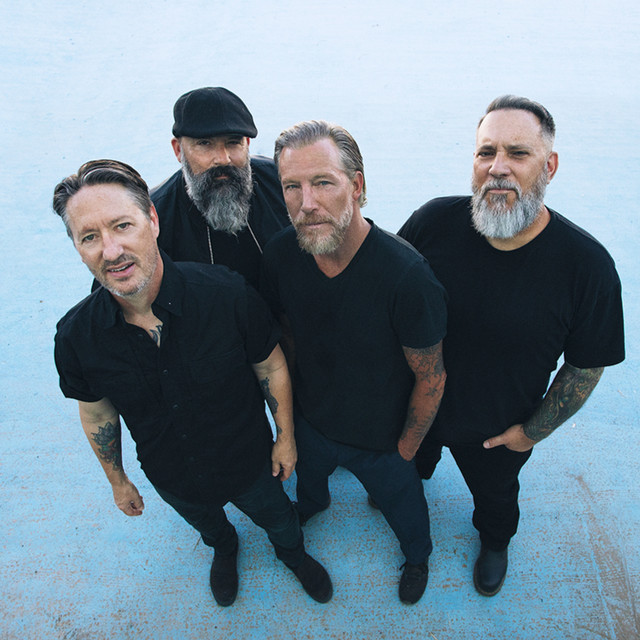
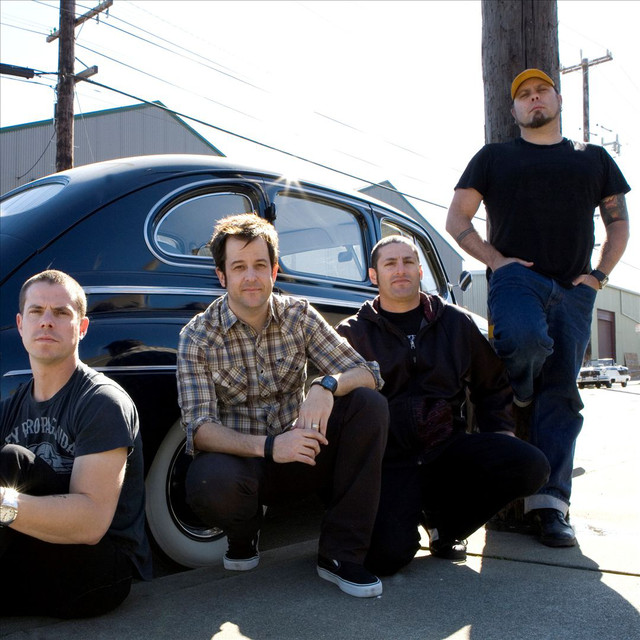

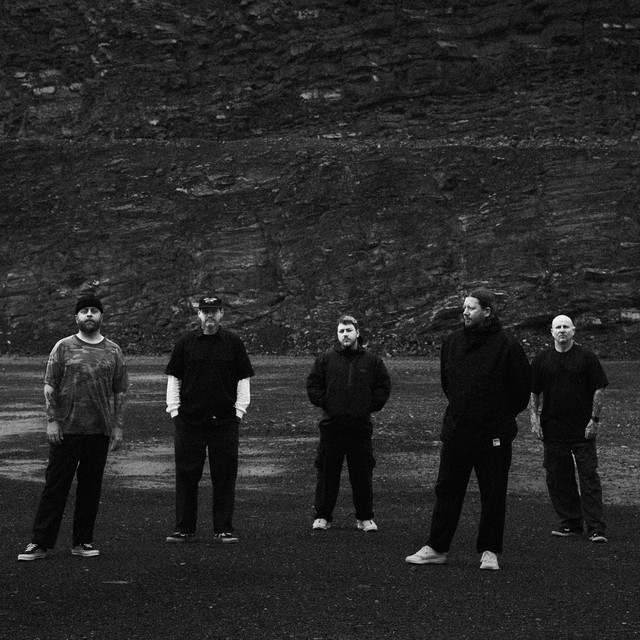
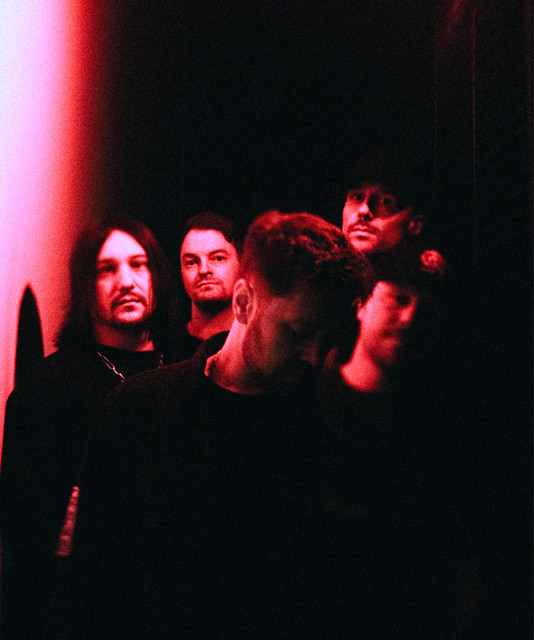
About Melodic hardcore
Melodic hardcore is a subgenre of hardcore punk that blends the relentless energy and tempo of hardcore with pronounced melodic guitar work, accessible vocal lines, and often anthemic, sing-along moments. It sits at the crossroads of aggression and melody, offering fast bursts of intensity balanced by tuneful hooks, dynamic shifts, and emotional lyrical delivery. The result is both cathartic and memorable, inviting listeners to move between blistering speed and contagious chorus moments.
Origins and evolution: melodic hardcore crystallized in the late 1980s to early 1990s as bands in the United States and Europe began layering melodic guitar leads and more emotive vocals over hardcore foundations. The sound solidified through a lineage of bands that experimented with melody within a hardcore framework, creating a template that many others would expand upon in the 1990s and 2000s. While the term is applied variably, it broadly describes a spectrum—from sturdy, punk-influenced approaches to more metallic or post-hardcore-adjacent interpretations—united by a melodic sensibility without abandoning the HC core.
Ambassadors and representative acts: several bands are commonly cited as touchstones or ambassadors of melodic hardcore. Some widely acknowledged names include:
- Snapcase (USA)
- Strife (USA)
- Lifetime (USA)
- Comeback Kid (Canada)
- Have Heart (USA)
- Defeater (USA)
- A Wilhelm Scream (Canada)
- Strike Anywhere (USA)
These acts helped shape the sound’s vocabulary—sharp, melodic guitar lines, contrasting vocal textures, and emotionally charged lyrics—while also broadening its geographic reach. Over the years, many other groups across North America and Europe have carried the torch, merging melodic hooks with hardcore urgency in diverse, sometimes heavier or more post-hardcore-leaning directions.
Where it’s popular: melodic hardcore enjoys especially strong scenes in the United States and Canada, where the form has long-standing bands and dedicated labels. It has also found receptive audiences in Northern Europe—particularly the United Kingdom, Germany, and the Netherlands—where tight live circuits and festival environments have supported its growth. Italy, Spain, and other parts of Europe host vibrant local scenes, and there are passionate communities in Japan, Australia, and Brazil as well. While not as mainstream as some other rock genres, melodic hardcore maintains a robust, international underground culture with a healthy exchange of bands, tours, and records.
What to listen for: expect a blend of speed and melody. Guitar work often features arpeggios, harmonized leads, and memorable motifs, paired with dual vocal approaches—harsh, shouted screams and cleaner, more melodic lines—creating effective contrasts. Song structures favor drive and momentum, but with deliberate breakdowns or tempo shifts that reveal the more emotional, anthemic side of the genre. Lyrically, themes frequently touch on personal struggle, resilience, community, and social or political concerns.
If you’re new to melodic hardcore, start with a few foundational bands from the list above and explore recent releases from vibrant contemporary acts. The genre rewards attentive listening: the catchiness is earned through the tempo- and mood-contrast craft, not just through riffs or screams.
Origins and evolution: melodic hardcore crystallized in the late 1980s to early 1990s as bands in the United States and Europe began layering melodic guitar leads and more emotive vocals over hardcore foundations. The sound solidified through a lineage of bands that experimented with melody within a hardcore framework, creating a template that many others would expand upon in the 1990s and 2000s. While the term is applied variably, it broadly describes a spectrum—from sturdy, punk-influenced approaches to more metallic or post-hardcore-adjacent interpretations—united by a melodic sensibility without abandoning the HC core.
Ambassadors and representative acts: several bands are commonly cited as touchstones or ambassadors of melodic hardcore. Some widely acknowledged names include:
- Snapcase (USA)
- Strife (USA)
- Lifetime (USA)
- Comeback Kid (Canada)
- Have Heart (USA)
- Defeater (USA)
- A Wilhelm Scream (Canada)
- Strike Anywhere (USA)
These acts helped shape the sound’s vocabulary—sharp, melodic guitar lines, contrasting vocal textures, and emotionally charged lyrics—while also broadening its geographic reach. Over the years, many other groups across North America and Europe have carried the torch, merging melodic hooks with hardcore urgency in diverse, sometimes heavier or more post-hardcore-leaning directions.
Where it’s popular: melodic hardcore enjoys especially strong scenes in the United States and Canada, where the form has long-standing bands and dedicated labels. It has also found receptive audiences in Northern Europe—particularly the United Kingdom, Germany, and the Netherlands—where tight live circuits and festival environments have supported its growth. Italy, Spain, and other parts of Europe host vibrant local scenes, and there are passionate communities in Japan, Australia, and Brazil as well. While not as mainstream as some other rock genres, melodic hardcore maintains a robust, international underground culture with a healthy exchange of bands, tours, and records.
What to listen for: expect a blend of speed and melody. Guitar work often features arpeggios, harmonized leads, and memorable motifs, paired with dual vocal approaches—harsh, shouted screams and cleaner, more melodic lines—creating effective contrasts. Song structures favor drive and momentum, but with deliberate breakdowns or tempo shifts that reveal the more emotional, anthemic side of the genre. Lyrically, themes frequently touch on personal struggle, resilience, community, and social or political concerns.
If you’re new to melodic hardcore, start with a few foundational bands from the list above and explore recent releases from vibrant contemporary acts. The genre rewards attentive listening: the catchiness is earned through the tempo- and mood-contrast craft, not just through riffs or screams.