Genre
melodic rap
Top Melodic rap Artists
Showing 25 of 611 artists


About Melodic rap
Melodic rap is a fluid, cross-pollinating branch of hip‑hop that places melody at the center without sacrificing the drum-driven pulse of rap. It’s less about speed and syllables and more about sing‑song cadences, swooping vocal lines, and hooks that stick. The result is a temperament that can feel intimate and anthemic at once, blending R&B’s warmth with trap’s skeletal groove.
The genre’s birth is usually traced to the Southern rap scene, especially Atlanta, in the early 2010s. It grew out of the broader trap movement, where producers and artists began layering auto‑tuned melodies over hard 808s, snapping snares, and moody atmospheres. Early pioneers didn’t label their music as “melodic rap” so much as they found a new way to fuse singing and rapping on the same track. Over time the sound hardened into a recognizable mode: catchy, melodic hooks that carry the song as much as the verses, emotionally direct lyrics, and a willingness to bend conventional song structure toward mood and vibe.
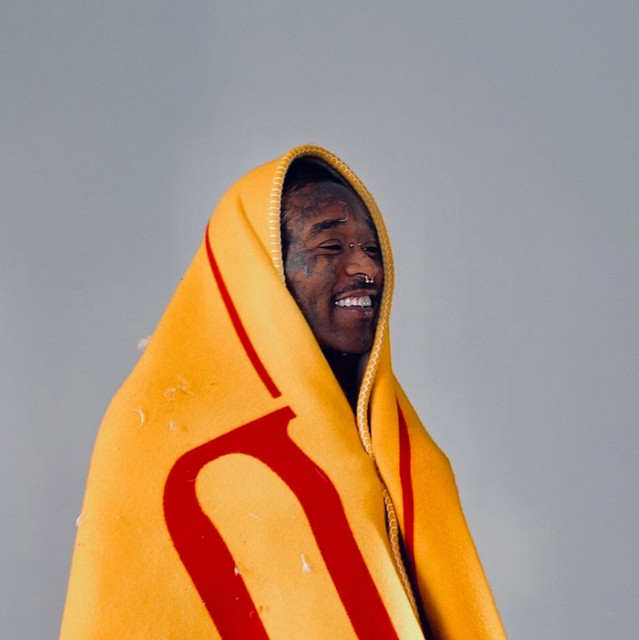
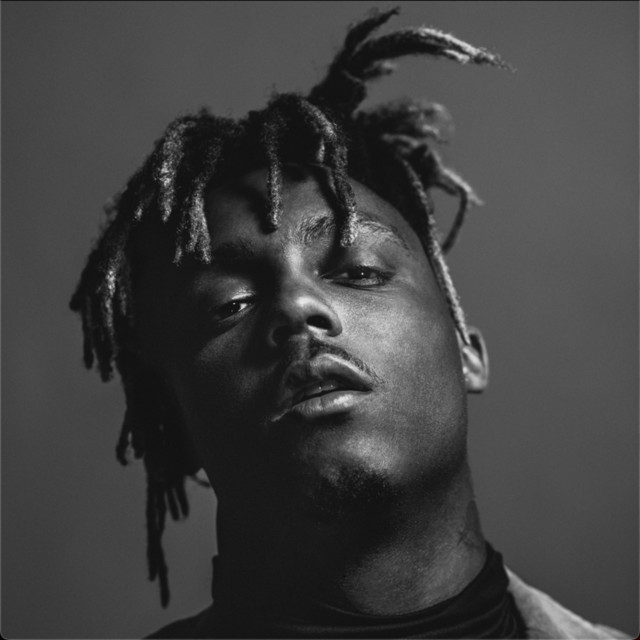
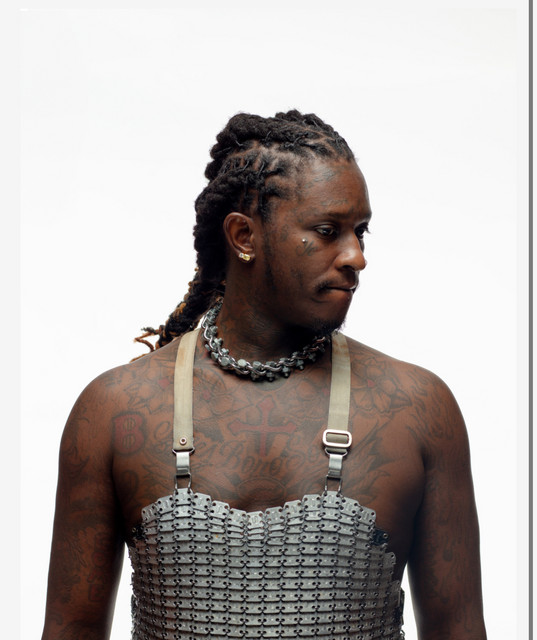
Among the artists most closely associated with popularizing melodic rap are Future and Young Thug. Future’s late‑decade breakthroughs and his prolific use of autotune helped normalize melodic cadences in mainstream hip‑hop, while Young Thug’s eccentric phrasing and genre‑making willingness to experiment turned melody into an artistic signature. As the wave matured, others joined, refined it, and spread it beyond Atlanta: Lil Uzi Vert’s high‑pitched, melodic assault on tracks like XO Tour Llif3 brought emo‑rap energy into the fold; Juice WRLD became a bridge between melodic sensibility and confessional lyrics; Gunna and Lil Baby added a polished, studio‑slick fluency that kept the sound radio‑ready. Travis Scott also looms large in the public imagination for elevating a grand, psychedelic version of melodic rap in projects like Astroworld.
What distinguishes melodic rap today is its emphasis on vocal color and emotional access. Sing‑style cadences, breathy phrasing, and a frequent reliance on Auto‑Tune or other vocal effects create a halo around the rapped verses. Lyrics often dwell on vulnerability, romance, ambition, or heartbreak, and the production leans toward atmosphere—lush synths, moody minor keys, trap drums—so the voice can float above or weave through the beat.
Global reach has followed production resources and streaming regimes: the United States remains the epicenter, but European scenes have embraced the style, with artists and fans across the United Kingdom, France, Sweden, and beyond adopting melodic rap aesthetics. In Canada and many Latin American markets, the blend of singable hooks with rap cadence found a ready audience as streaming platforms highlighted emotionally direct, melodically inclined rap. The genre’s flexibility invites crossover: pop‑leaning hooks, hip‑hop‑centric verses, and even rock‑tinged experiments appear under the same umbrella.
For avid listeners, melodic rap is less a fixed formula than a mood—one that rewards memorable melodies, introspective storytelling, and a sense of immediacy. It’s a sound that continues to evolve as producers push tonal palettes and vocalists experiment with cadence, making melodic rap one of the most distinctive and enduring currents in modern hip‑hop.
The genre’s birth is usually traced to the Southern rap scene, especially Atlanta, in the early 2010s. It grew out of the broader trap movement, where producers and artists began layering auto‑tuned melodies over hard 808s, snapping snares, and moody atmospheres. Early pioneers didn’t label their music as “melodic rap” so much as they found a new way to fuse singing and rapping on the same track. Over time the sound hardened into a recognizable mode: catchy, melodic hooks that carry the song as much as the verses, emotionally direct lyrics, and a willingness to bend conventional song structure toward mood and vibe.
Among the artists most closely associated with popularizing melodic rap are Future and Young Thug. Future’s late‑decade breakthroughs and his prolific use of autotune helped normalize melodic cadences in mainstream hip‑hop, while Young Thug’s eccentric phrasing and genre‑making willingness to experiment turned melody into an artistic signature. As the wave matured, others joined, refined it, and spread it beyond Atlanta: Lil Uzi Vert’s high‑pitched, melodic assault on tracks like XO Tour Llif3 brought emo‑rap energy into the fold; Juice WRLD became a bridge between melodic sensibility and confessional lyrics; Gunna and Lil Baby added a polished, studio‑slick fluency that kept the sound radio‑ready. Travis Scott also looms large in the public imagination for elevating a grand, psychedelic version of melodic rap in projects like Astroworld.
What distinguishes melodic rap today is its emphasis on vocal color and emotional access. Sing‑style cadences, breathy phrasing, and a frequent reliance on Auto‑Tune or other vocal effects create a halo around the rapped verses. Lyrics often dwell on vulnerability, romance, ambition, or heartbreak, and the production leans toward atmosphere—lush synths, moody minor keys, trap drums—so the voice can float above or weave through the beat.
Global reach has followed production resources and streaming regimes: the United States remains the epicenter, but European scenes have embraced the style, with artists and fans across the United Kingdom, France, Sweden, and beyond adopting melodic rap aesthetics. In Canada and many Latin American markets, the blend of singable hooks with rap cadence found a ready audience as streaming platforms highlighted emotionally direct, melodically inclined rap. The genre’s flexibility invites crossover: pop‑leaning hooks, hip‑hop‑centric verses, and even rock‑tinged experiments appear under the same umbrella.
For avid listeners, melodic rap is less a fixed formula than a mood—one that rewards memorable melodies, introspective storytelling, and a sense of immediacy. It’s a sound that continues to evolve as producers push tonal palettes and vocalists experiment with cadence, making melodic rap one of the most distinctive and enduring currents in modern hip‑hop.