Genre
men chika
Top Men chika Artists
Showing 25 of 34 artists
1
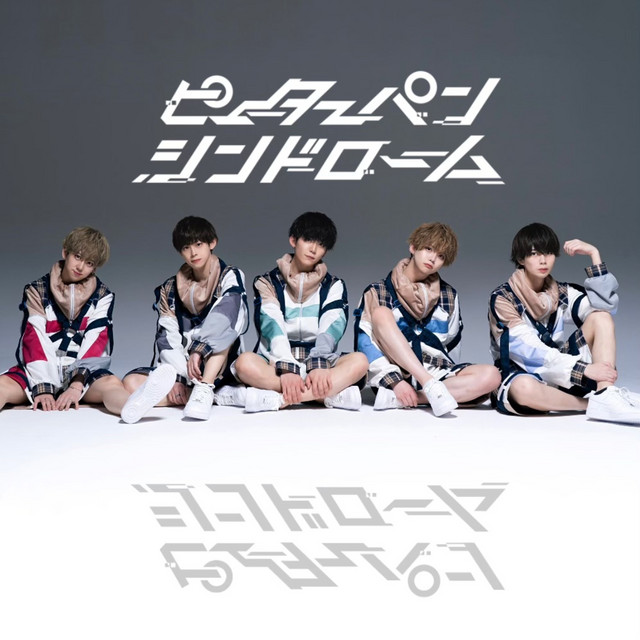
ピーターパンシンドローム
1,336
1,587 listeners
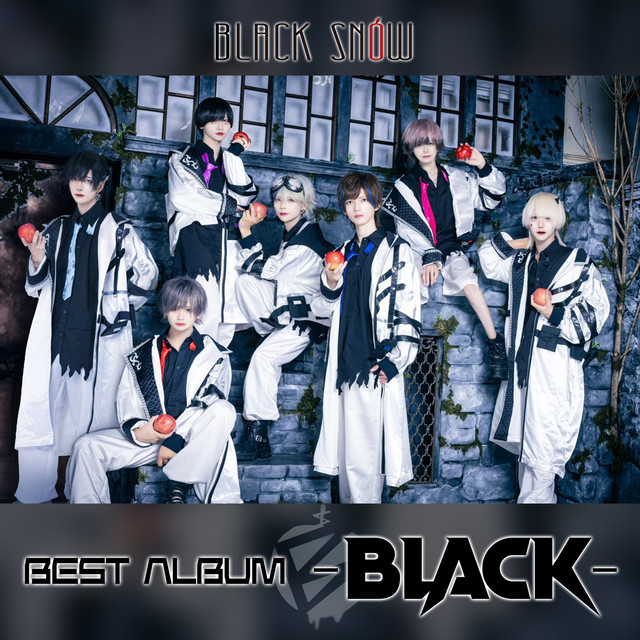
3
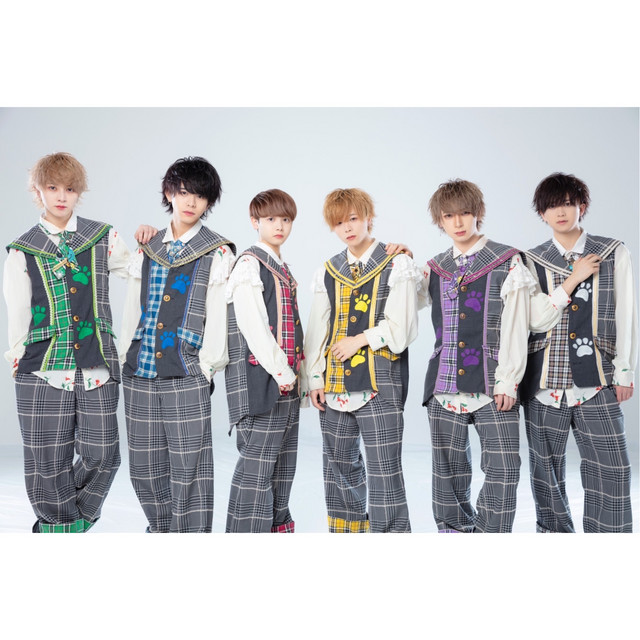
パピーハイブリッド
1,381
389 listeners
4
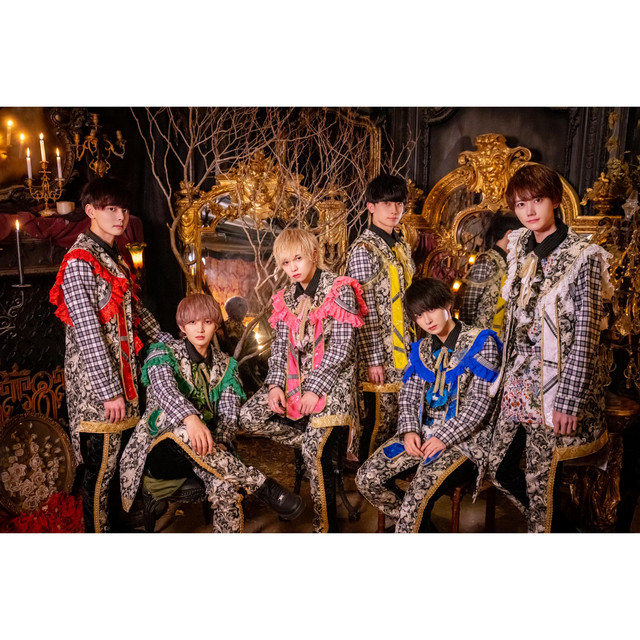
ドリーミーバブルズ
Japan
452
172 listeners

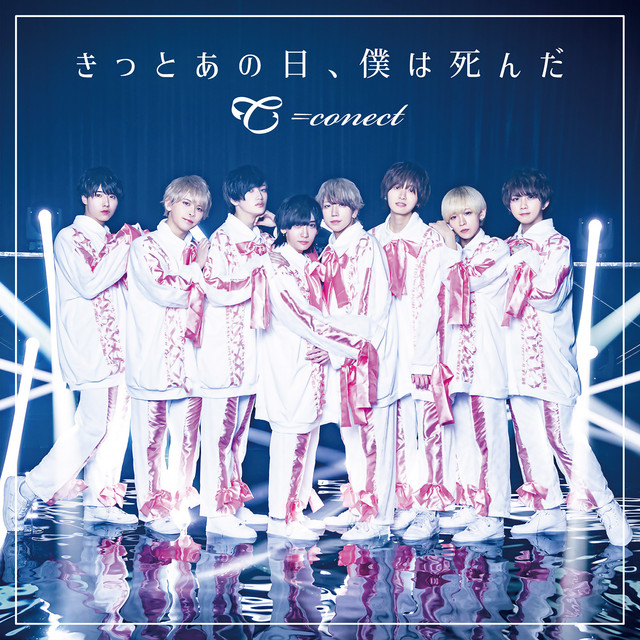




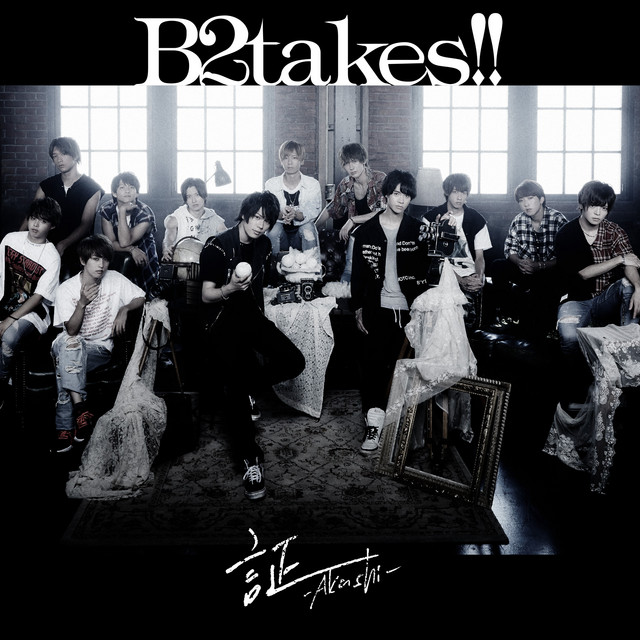


19

実験室レム
Japan
199
18 listeners


About Men chika
Note: This is a fictional, speculative overview of a newly described music genre called “men chika.” It’s designed as a creative, illustrative description for enthusiasts exploring imagined crossovers in contemporary sound.
Men chika is an emergent cross-genre that blends dense male vocal harmonies with modern electronic and percussive textures. Think a cappella-driven melodic lines intertwined with punchy, club-ready rhythms, all filtered through street-level sampling and looped vocal motifs. The result is a sonic space that feels both intimate and expansive: a choir-in-a-dade, a party in a suite, a chorus that can scale from a whisper to a storm in a single bar.
Origins and birth
In this imagined timeline, men chika began in the late 2010s among urban male vocal collectives in West Africa, with Lagos and Accra serving as informal launchpads. Street corners, market mazes, and underground clubs became rehearsal rooms where small groups experimented with call-and-response textures, then layered in digital percussion, 808 bass, and sporadic synth stabs. The term “men chika” allegedly circulated as slang for a group of men who “talk the groove”—a nod both to the conversational cadence of the singing and to the chika-chika of percussive hits. By 2019–2020, clips of improvised harmonies and rhythmic claps began traveling on social platforms, letting the sound escape local neighborhoods and land in global feeds.
Musical characteristics
- Vocals: prominent male-led ensembles delivering tight harmonies, sometimes arranged in multi-part stacks, with improv sections and short, punchy solos. Call-and-response remains a cornerstone.
- Rhythm: a hybrid groove that fuses traditional percussion with electronic drums. Expect sub-bass lines, crisp rimshots, and handclaps that double as both texture and tempo anchor.
- Texture: frequent layering of voices with sampled voices from street chatter, market announcements, or found sounds, creating a collage-like atmosphere.
- Production: live-looping sensibilities meet studio polish. Producers often use field recordings, punchy 808s, muted brass stabs, and short melodic hooks that recur across verses.
- Aesthetic: a sense of communal performance—choruses that feel both intimate (in the doorway of a home studio) and communal (on a crowded night market stage).
Ambassadors and key artists (fictional examples for this world)
- The Voxmen Collective (Nigeria/Lagos): pioneers who popularized the early sound with extended vocal showcases and looping experiments.
- Nyota Echo (Kenya): a leading ambassador known for bright, sky-high harmonies and diaspora collaborations.
- Dima Sound (Ghana): producer-vocalist duo that fused highlife-inflected melodies with modern trap and house-inflected rhythms.
- Saba Mekombo (South Africa): a rapper-singer hybrid who helped push men chika toward more urban and club-friendly zones without losing its vocal core.
- The Chika Syndicate (UK/Portugal diaspora): a cross-Atlantic collective shaping a slick, bilingual iteration of the sound for global audiences.
Geography and popularity
The genre is imagined as concentrated in West and East Africa, with strong diaspora scenes in Europe and North America. Nigeria, Ghana, Kenya, and South Africa are facially dominant, while communities in Portugal and the UK develop localized flavors – often blending local slang, languages, and club cultures with the core men chika vocabulary. TikTok and short-form video culture accelerate cross-border collaborations, leading to regional blends that stay faithful to the genre’s vocal-first identity.
Listening guide
For a true feel, seek out groups that emphasize vocal stacking and live loop-aided grooves, then explore variations that lean toward more electrical or more acoustic textures. Ideal listening environments include intimate venues with good acoustics, or a living room setup that highlights the layering of voices over a tight, danceable rhythm foundation.
If you’re curious about a speculative musical ecosystem that honors vocal craft while embracing digital experimentation, men chika offers a compelling, imaginative lens on what happens when communal singing meets modern production.
Men chika is an emergent cross-genre that blends dense male vocal harmonies with modern electronic and percussive textures. Think a cappella-driven melodic lines intertwined with punchy, club-ready rhythms, all filtered through street-level sampling and looped vocal motifs. The result is a sonic space that feels both intimate and expansive: a choir-in-a-dade, a party in a suite, a chorus that can scale from a whisper to a storm in a single bar.
Origins and birth
In this imagined timeline, men chika began in the late 2010s among urban male vocal collectives in West Africa, with Lagos and Accra serving as informal launchpads. Street corners, market mazes, and underground clubs became rehearsal rooms where small groups experimented with call-and-response textures, then layered in digital percussion, 808 bass, and sporadic synth stabs. The term “men chika” allegedly circulated as slang for a group of men who “talk the groove”—a nod both to the conversational cadence of the singing and to the chika-chika of percussive hits. By 2019–2020, clips of improvised harmonies and rhythmic claps began traveling on social platforms, letting the sound escape local neighborhoods and land in global feeds.
Musical characteristics
- Vocals: prominent male-led ensembles delivering tight harmonies, sometimes arranged in multi-part stacks, with improv sections and short, punchy solos. Call-and-response remains a cornerstone.
- Rhythm: a hybrid groove that fuses traditional percussion with electronic drums. Expect sub-bass lines, crisp rimshots, and handclaps that double as both texture and tempo anchor.
- Texture: frequent layering of voices with sampled voices from street chatter, market announcements, or found sounds, creating a collage-like atmosphere.
- Production: live-looping sensibilities meet studio polish. Producers often use field recordings, punchy 808s, muted brass stabs, and short melodic hooks that recur across verses.
- Aesthetic: a sense of communal performance—choruses that feel both intimate (in the doorway of a home studio) and communal (on a crowded night market stage).
Ambassadors and key artists (fictional examples for this world)
- The Voxmen Collective (Nigeria/Lagos): pioneers who popularized the early sound with extended vocal showcases and looping experiments.
- Nyota Echo (Kenya): a leading ambassador known for bright, sky-high harmonies and diaspora collaborations.
- Dima Sound (Ghana): producer-vocalist duo that fused highlife-inflected melodies with modern trap and house-inflected rhythms.
- Saba Mekombo (South Africa): a rapper-singer hybrid who helped push men chika toward more urban and club-friendly zones without losing its vocal core.
- The Chika Syndicate (UK/Portugal diaspora): a cross-Atlantic collective shaping a slick, bilingual iteration of the sound for global audiences.
Geography and popularity
The genre is imagined as concentrated in West and East Africa, with strong diaspora scenes in Europe and North America. Nigeria, Ghana, Kenya, and South Africa are facially dominant, while communities in Portugal and the UK develop localized flavors – often blending local slang, languages, and club cultures with the core men chika vocabulary. TikTok and short-form video culture accelerate cross-border collaborations, leading to regional blends that stay faithful to the genre’s vocal-first identity.
Listening guide
For a true feel, seek out groups that emphasize vocal stacking and live loop-aided grooves, then explore variations that lean toward more electrical or more acoustic textures. Ideal listening environments include intimate venues with good acoustics, or a living room setup that highlights the layering of voices over a tight, danceable rhythm foundation.
If you’re curious about a speculative musical ecosystem that honors vocal craft while embracing digital experimentation, men chika offers a compelling, imaginative lens on what happens when communal singing meets modern production.