Genre
metis fiddle
Top Metis fiddle Artists
Showing 14 of 14 artists

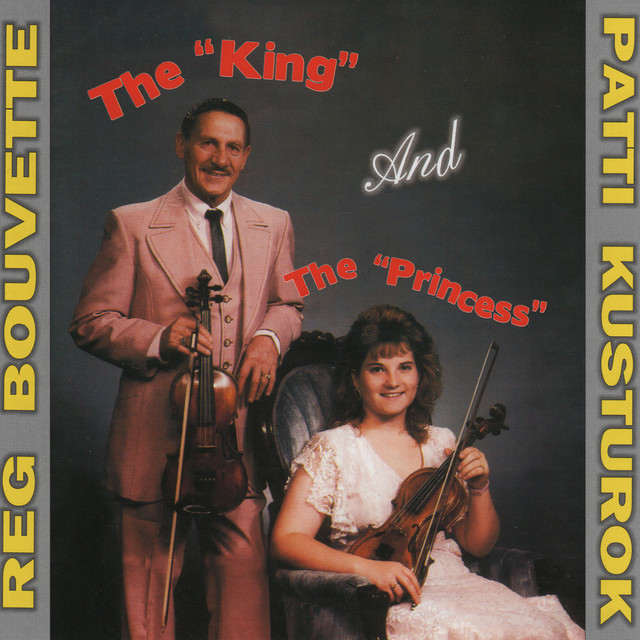


About Metis fiddle
Metis fiddle is a living bridge between European violin tradition and the stories of the North American prairie, a distinctly Canadian-born voice that has found its way into the broader world of folk and world music. Born from the Métis communities of the Red River region and the prairie belt in the 18th and 19th centuries, the style grew out of a practical, social music-making culture: violin tunes carried along fur trade routes, danced to at gatherings, and passed down through families and communities. It is both a repertoire and a way of moving—fast, intimate, and full of drive.
The sound of Metis fiddle is immediately recognizable for its mingling of influences. You hear the European traditions—Scottish strathspey and French-Canadian dance tunes—brought into conversation with Indigenous North American rhythmic sensibilities and a frontier sense of improvisation. Tunes swing between reels, jigs, waltzes, and polkas, often played with a bright, singing fiddle voice and a rhythmically assertive bowing that invites foot-stomping dancing. Ornamentation—grace notes, slides, and quick bow changes—lends a conversational, almost talking quality to melodies, as if the fiddle were speaking with the land itself.
A few tunes have become emblematic of the genre’s character. The Red River Jig, associated with Métis communities along the Red River and Manitoba’s historical heartland, is frequently cited as a cornerstone piece: lively, danceable, and easy to recognize in ensembles or solo performances. Yet the tradition is not a fixed set of tunes; it is a living practice that invites new compositions and fresh interpretations, especially as dancers and fiddlers collaborate across generations.
In performance, Metis fiddle appears in a variety of contexts. It thrives in community dances, cultural celebrations, and contemporary folk and world-music stages. It often sits at the center of ensembles that pair the fiddle with piano or guitar, or with other traditional instruments, while dancers keep a strong two-step or jig rhythm. The genre’s social ethic—music as a shared, communal experience—remains central: the fiddle is a storyteller, the dancers are participants, and the whole room feels united by the cadence of the music.
Geographically, Metis fiddle remains strongest in Canada, particularly in Manitoba, Saskatchewan, and Alberta, where Métis communities have deep-rooted histories. It also resonates with Métis communities in the northern United States, especially around prairie-adjacent states, and it has found a niche audience among world-music fans in Europe and beyond through festivals, collaborations, and recorded releases. The genre continues to grow as younger players learn from elders, fuse new ideas with traditional material, and carry the music to new listeners.
Ambassadors of Metis fiddle include elder and contemporary fiddlers who keep the tradition vigorous, passing on repertoire and style to younger generations. Figures like John Arcand—often highlighted in discussions of Métis music for his influential role in shaping and preserving the fiddling tradition—illustrate how the genre serves as a cultural beacon. In concerted ecosystems—schools, cultural centers, and festival stages—the Metis fiddle tradition remains a dynamic, evolving art form, inviting listeners to experience the prairie’s history through high-spirited, intimate melodies that continue to travel and grow.
The sound of Metis fiddle is immediately recognizable for its mingling of influences. You hear the European traditions—Scottish strathspey and French-Canadian dance tunes—brought into conversation with Indigenous North American rhythmic sensibilities and a frontier sense of improvisation. Tunes swing between reels, jigs, waltzes, and polkas, often played with a bright, singing fiddle voice and a rhythmically assertive bowing that invites foot-stomping dancing. Ornamentation—grace notes, slides, and quick bow changes—lends a conversational, almost talking quality to melodies, as if the fiddle were speaking with the land itself.
A few tunes have become emblematic of the genre’s character. The Red River Jig, associated with Métis communities along the Red River and Manitoba’s historical heartland, is frequently cited as a cornerstone piece: lively, danceable, and easy to recognize in ensembles or solo performances. Yet the tradition is not a fixed set of tunes; it is a living practice that invites new compositions and fresh interpretations, especially as dancers and fiddlers collaborate across generations.
In performance, Metis fiddle appears in a variety of contexts. It thrives in community dances, cultural celebrations, and contemporary folk and world-music stages. It often sits at the center of ensembles that pair the fiddle with piano or guitar, or with other traditional instruments, while dancers keep a strong two-step or jig rhythm. The genre’s social ethic—music as a shared, communal experience—remains central: the fiddle is a storyteller, the dancers are participants, and the whole room feels united by the cadence of the music.
Geographically, Metis fiddle remains strongest in Canada, particularly in Manitoba, Saskatchewan, and Alberta, where Métis communities have deep-rooted histories. It also resonates with Métis communities in the northern United States, especially around prairie-adjacent states, and it has found a niche audience among world-music fans in Europe and beyond through festivals, collaborations, and recorded releases. The genre continues to grow as younger players learn from elders, fuse new ideas with traditional material, and carry the music to new listeners.
Ambassadors of Metis fiddle include elder and contemporary fiddlers who keep the tradition vigorous, passing on repertoire and style to younger generations. Figures like John Arcand—often highlighted in discussions of Métis music for his influential role in shaping and preserving the fiddling tradition—illustrate how the genre serves as a cultural beacon. In concerted ecosystems—schools, cultural centers, and festival stages—the Metis fiddle tradition remains a dynamic, evolving art form, inviting listeners to experience the prairie’s history through high-spirited, intimate melodies that continue to travel and grow.