Genre
mexican classical
Top Mexican classical Artists
Showing 22 of 22 artists







About Mexican classical
Mexican classical refers to the concert music tradition that has developed in Mexico since the 19th century, evolving from European models into a distinctly Mexican idiom. It is not a single, fixed style but a broad ecosystem that includes romantic and modern orchestral works, chamber music, choral music, film scores, and, in recent decades, contemporary art music. What marks it as “Mexican” is a continual dialogue between formal European genres and local sounds, landscapes, and narratives.
The birth of a modern Mexican classical voice is usually traced to the late 19th and early 20th centuries, when Mexican composers began to train in European conservatories and to organize national ensembles. The real turning point came in the 1920s–1940s, amid post‑revolutionary cultural programs that encouraged composers to forge a Mexican sound without discarding rigorous craft. A nationalist current took hold, infusing symphonies, ballets, and concertos with rhythms, melodies, and timbres drawn from Mexican life—indigenous and folk influences, regional dances, and the vibrant street life of cities such as Mexico City and Guadalajara.
Among the most influential ambassadors of the genre are Silvestre Revueltas, Carlos Chávez, and José Pablo Moncayo. Revueltas’s feverish, emphatic style—with works such as Sensemaya and the orchestral suites drawn from La Noche de los Mayas—helped redefine Latin American concert music for a global audience. Chávez, a central figure in shaping a Mexican orchestral tradition, published a body of work that includes Sinfonía india, and he founded and nurtured the Mexican symphonic voice through conducting and teaching. Moncayo, Chávez’s student, contributed a beloved national milestone with Huapango, a vibrant orchestral piece rooted in Veracruz’s huapango rhythms that remains a staple in concert halls worldwide. Manuel M. Ponce was another pillar, bridging salon sensibilities with concert music and helping to elevate Mexican art music through elegant concert pieces and songs. In the later 20th century and beyond, composers such as Arturo Márquez gained international recognition with modern works that retain Mexican flavor, most famously Danzón No. 2, frequently performed by major orchestras around the world.
Miguel Bernal Jiménez and other mid‑century figures further broadened the repertoire, adding choral, organ, and sacred music that remain important to this day. Today, Mexican classical continues to evolve with living composers who experiment with new apparatus while keeping a link to Mexican identity. The repertoire is robust in its home country and has found enthusiastic audiences in the United States (notably in Los Angeles and New York), as well as in Spain and other parts of Europe, and across Latin America.
Key works to explore include:
- Silvestre Revueltas, Sensemaya and La Noche de los Mayas
- Carlos Chávez, Sinfonía india
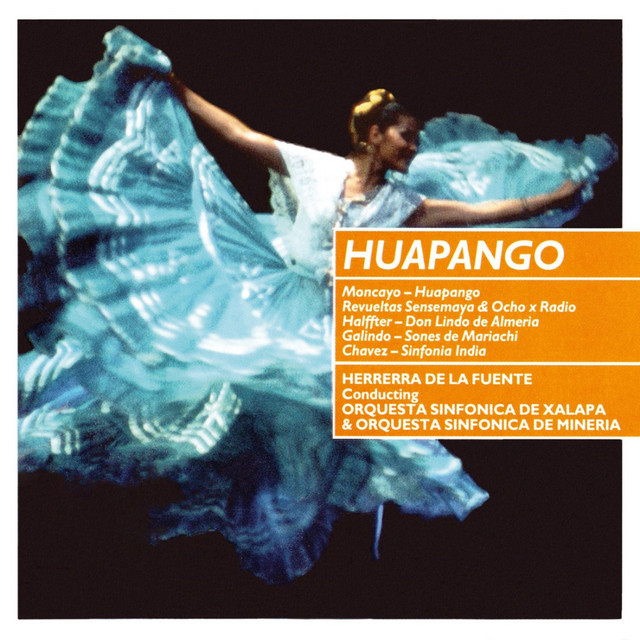
- José Pablo Moncayo, Huapango
- Manuel M. Ponce, Estudio Sinfónico and other orchestral/chamber works
- Arturo Márquez, Danzón No. 2
Today’s Mexican classical scene ranges from heritage‑driven concertos to cutting‑edge contemporary music, continuing to attract enthusiasts who seek a distinctly Mexican voice within the broader world of art music.
The birth of a modern Mexican classical voice is usually traced to the late 19th and early 20th centuries, when Mexican composers began to train in European conservatories and to organize national ensembles. The real turning point came in the 1920s–1940s, amid post‑revolutionary cultural programs that encouraged composers to forge a Mexican sound without discarding rigorous craft. A nationalist current took hold, infusing symphonies, ballets, and concertos with rhythms, melodies, and timbres drawn from Mexican life—indigenous and folk influences, regional dances, and the vibrant street life of cities such as Mexico City and Guadalajara.
Among the most influential ambassadors of the genre are Silvestre Revueltas, Carlos Chávez, and José Pablo Moncayo. Revueltas’s feverish, emphatic style—with works such as Sensemaya and the orchestral suites drawn from La Noche de los Mayas—helped redefine Latin American concert music for a global audience. Chávez, a central figure in shaping a Mexican orchestral tradition, published a body of work that includes Sinfonía india, and he founded and nurtured the Mexican symphonic voice through conducting and teaching. Moncayo, Chávez’s student, contributed a beloved national milestone with Huapango, a vibrant orchestral piece rooted in Veracruz’s huapango rhythms that remains a staple in concert halls worldwide. Manuel M. Ponce was another pillar, bridging salon sensibilities with concert music and helping to elevate Mexican art music through elegant concert pieces and songs. In the later 20th century and beyond, composers such as Arturo Márquez gained international recognition with modern works that retain Mexican flavor, most famously Danzón No. 2, frequently performed by major orchestras around the world.
Miguel Bernal Jiménez and other mid‑century figures further broadened the repertoire, adding choral, organ, and sacred music that remain important to this day. Today, Mexican classical continues to evolve with living composers who experiment with new apparatus while keeping a link to Mexican identity. The repertoire is robust in its home country and has found enthusiastic audiences in the United States (notably in Los Angeles and New York), as well as in Spain and other parts of Europe, and across Latin America.
Key works to explore include:
- Silvestre Revueltas, Sensemaya and La Noche de los Mayas
- Carlos Chávez, Sinfonía india
- José Pablo Moncayo, Huapango
- Manuel M. Ponce, Estudio Sinfónico and other orchestral/chamber works
- Arturo Márquez, Danzón No. 2
Today’s Mexican classical scene ranges from heritage‑driven concertos to cutting‑edge contemporary music, continuing to attract enthusiasts who seek a distinctly Mexican voice within the broader world of art music.