Genre
mexican experimental
Top Mexican experimental Artists
Showing 14 of 14 artists
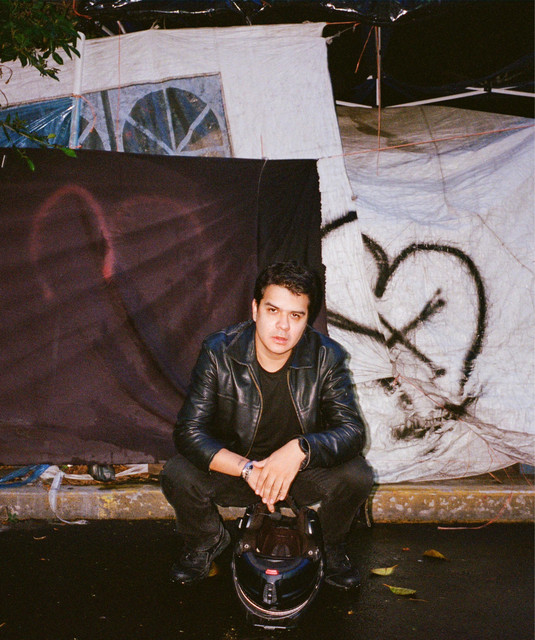









About Mexican experimental
Mexican experimental is a flexible umbrella for a family of sounds that grew out of Mexico’s rich mix of tradition, urban immediacy, and global electronic practices. It isn’t a fixed, easily labeled genre with a single origin story, but rather a continuum of projects where composers and producers fuse field recordings, acoustic textures, and avant-garde electronics with a distinctly Mexican sensibility. The result is music that can feel cinematic and contemplative one moment, abrasive and generative the next, always asking what it means to sonically translate place, memory, and desire into sound.
Origins and a sense of birth
The roots of Mexican experimental music trace to the late 20th century when independent studios, DIY labels, and collective spaces began to proliferate in Mexico City, Guadalajara, and other urban centers. Musicians started to experiment with musique concrète techniques—tape manipulations, found sounds, and spontaneous textures—while simultaneously drawing on Mexico’s indigenous sonic heritages, colonial-era classical influences, and contemporary electronic production. By the early 2000s, a new wave of artists was blending these elements with digital synthesis, field recordings of street markets, guitars and pianos treated through glitch processes, and ambient drones. The scene matured through cross-continental collaborations, inviting listeners to hear Mexican soundworlds refracted through European, North American, and Latin American experimental vocabularies.
Auspices and ambassadors
One figure widely recognized as a global ambassador of Mexican experimental is Murcof (Fernando Corona). Based in Europe and known for combining lush string textures with precise electronic programming, Murcof helped bring attention to Mexican avant-garde ideas on international stages. His work demonstrates how traditional instruments—often recorded outdoors or in intimate studio settings—can be reimagined inside sculpted, cinematic electronics. Beyond Murcof, the scene has grown through a constellation of producers, performers, and collectives who explore modular synthesis, drone, ambient, and contemporary-classical crossovers. The presence of Mexican artists in international festivals, contemporary classical venues, and experimental electronic labels has helped establish a durable expectation: Mexican experimental music can be intimate and reflective or expansive and process-driven, frequently bridging installation art, film scoring, and performance.
Sound and practice
What you hear in Mexican experimental releases often includes: carefully curated field recordings from urban and rural environments, reverberant piano or string passages treated with reverb and granular processing, pulsing basslines that drift into the background, and sudden mutations of texture that challenge listening habits. The aesthetics lean toward atmosphere, nuanced timbral exploration, and a willingness to let the sound breathe rather than force a traditional rhythm. Yet there is versatility too: some projects lean toward ritual and drone, others toward delicate, almost cinematic minimalism, and others still toward glitchy, granular, and noisy explorations. It’s common for artists to collaborate with filmmakers, choreographers, or visual artists, expanding the genre’s reach into multimedia forms.
Geography and audience
Mexico City remains a central hub, with Guadalajara and Monterrey contributing vibrant scenes and labels. Internationally, the music finds receptive audiences in Europe, North America, and parts of Latin America, particularly among listeners who follow experimental music festivals, contemporary-classical ensembles, and avant-garde electronic labels. The genre continues to grow by inviting new voices from different Mexican communities, languages, and musical backgrounds.
Listening recommendations
If you’re exploring Mexican experimental, start with Murcof’s fusion of classical sensibilities with electronics to understand the emotional core of the sound. Then seek newer voices and collaborations—works that blend field recordings with drone, or that place traditional instruments in almost alien electronic ecosystems. It’s a genre that rewards attentive listening and a willingness to let uncertainty unfold into discovery.
Origins and a sense of birth
The roots of Mexican experimental music trace to the late 20th century when independent studios, DIY labels, and collective spaces began to proliferate in Mexico City, Guadalajara, and other urban centers. Musicians started to experiment with musique concrète techniques—tape manipulations, found sounds, and spontaneous textures—while simultaneously drawing on Mexico’s indigenous sonic heritages, colonial-era classical influences, and contemporary electronic production. By the early 2000s, a new wave of artists was blending these elements with digital synthesis, field recordings of street markets, guitars and pianos treated through glitch processes, and ambient drones. The scene matured through cross-continental collaborations, inviting listeners to hear Mexican soundworlds refracted through European, North American, and Latin American experimental vocabularies.
Auspices and ambassadors
One figure widely recognized as a global ambassador of Mexican experimental is Murcof (Fernando Corona). Based in Europe and known for combining lush string textures with precise electronic programming, Murcof helped bring attention to Mexican avant-garde ideas on international stages. His work demonstrates how traditional instruments—often recorded outdoors or in intimate studio settings—can be reimagined inside sculpted, cinematic electronics. Beyond Murcof, the scene has grown through a constellation of producers, performers, and collectives who explore modular synthesis, drone, ambient, and contemporary-classical crossovers. The presence of Mexican artists in international festivals, contemporary classical venues, and experimental electronic labels has helped establish a durable expectation: Mexican experimental music can be intimate and reflective or expansive and process-driven, frequently bridging installation art, film scoring, and performance.
Sound and practice
What you hear in Mexican experimental releases often includes: carefully curated field recordings from urban and rural environments, reverberant piano or string passages treated with reverb and granular processing, pulsing basslines that drift into the background, and sudden mutations of texture that challenge listening habits. The aesthetics lean toward atmosphere, nuanced timbral exploration, and a willingness to let the sound breathe rather than force a traditional rhythm. Yet there is versatility too: some projects lean toward ritual and drone, others toward delicate, almost cinematic minimalism, and others still toward glitchy, granular, and noisy explorations. It’s common for artists to collaborate with filmmakers, choreographers, or visual artists, expanding the genre’s reach into multimedia forms.
Geography and audience
Mexico City remains a central hub, with Guadalajara and Monterrey contributing vibrant scenes and labels. Internationally, the music finds receptive audiences in Europe, North America, and parts of Latin America, particularly among listeners who follow experimental music festivals, contemporary-classical ensembles, and avant-garde electronic labels. The genre continues to grow by inviting new voices from different Mexican communities, languages, and musical backgrounds.
Listening recommendations
If you’re exploring Mexican experimental, start with Murcof’s fusion of classical sensibilities with electronics to understand the emotional core of the sound. Then seek newer voices and collaborations—works that blend field recordings with drone, or that place traditional instruments in almost alien electronic ecosystems. It’s a genre that rewards attentive listening and a willingness to let uncertainty unfold into discovery.