Genre
mexican hip hop
Top Mexican hip hop Artists
Showing 25 of 2,435 artists


















About Mexican hip hop
Mexican hip hop is a Spanish-language branch of the global rap movement that speaks from the margins and streets of Mexico and Mexican diaspora communities. It emerged from a collision of American hip hop anatomy—DJ cuts, breakbeats, and MC storytelling—with local life: urban poverty, migration, cartels, labor, and resilience. From the late 1980s into the 1990s, crews in Mexico City, Monterrey, and border towns tested how to translate Bronx boombap into a sound that sounded like home. The result is a genre that feels gritty, melodic, and local, hooked to a universal rhythm.
Origins and spread: The first influential waves were underground and DIY: cassette samplers, small independents, and clubs where Spanish raps confronted censorship. The cross-border exchange with the United States deepened the palette with funk, West Coast and East Coast flows, and later digital production. Monterrey and Tijuana became hotbeds, while Mexico City’s cultural hubs helped legitimize rap as a platform for social commentary rather than mere bragging. In the 2000s, acts began to chart and tour, and Spanish-language rap started to be seen as a national movement rather than a regional curiosity.
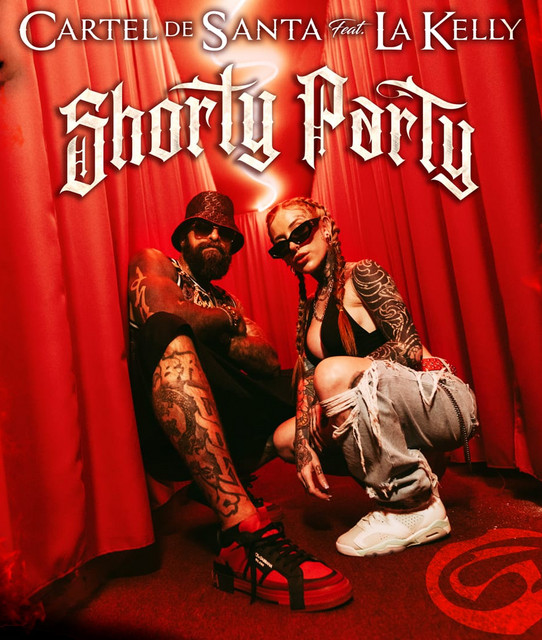
Ambassadors and key acts: Control Machete, a Monterrey-based group formed in 1996, is widely cited as a foundational force, helping bring Spanish-language rap to a broader audience with punchy verses and razor-sharp humor. Cartel de Santa, from the same region, became one of the most durable names in the scene with a raw street vibe and memorable hooks. On the U.S. side, Kinto Sol—a Mexican-American trio from Chicago—popularized Mexican rap in Spanish across bilingual audiences, while Akwid fused banda and norteño flavors with hip hop, expanding the sonic vocabulary.
Styles and themes: Mexican hip hop often blends hard-edged street realism with social critique—immigration, corruption, police brutality, economic struggle—without losing its sense of groove. Many tracks mix Spanish with English phrases, a marker of cross-border life. The movement has also absorbed and transformed other genres: norteño-rap hybrids, bunker beats, and more recently trap-infused sounds. The soundscapes range from dusty, sample-driven beats to glossy, radio-friendly productions, reflecting both underground grit and mainstream ambitions.
Geography and reach: In Mexico, big cities and regional capitals host vibrant scenes, from Mexico City to Monterrey, Guadalajara, and Tijuana. In the United States, Mexican and Mexican-American communities have kept the flame alive through clubs, labels, and festivals; artists tour both sides of the border. Latin America and Europe have also shown growing interest, with Spanish-language rap festivals and streaming platforms making the genre accessible beyond its heartlands. The genre remains dynamic, with new generations expanding the vocabulary—narratives of migration, identity, and memory continue to drive the music.
Why it matters to enthusiasts: Mexican hip hop is not a single signature but a living archive of urban experience—dialect, slang, and rhythm that evolve with each city. It offers a case study in cultural adaptation: how global genres are localized without losing their core energy. For listeners who crave authenticity, technical flow, and storytelling that balances grit with poetry, Mexican hip hop provides one of the richest continental scenes in today’s rap world.
Origins and spread: The first influential waves were underground and DIY: cassette samplers, small independents, and clubs where Spanish raps confronted censorship. The cross-border exchange with the United States deepened the palette with funk, West Coast and East Coast flows, and later digital production. Monterrey and Tijuana became hotbeds, while Mexico City’s cultural hubs helped legitimize rap as a platform for social commentary rather than mere bragging. In the 2000s, acts began to chart and tour, and Spanish-language rap started to be seen as a national movement rather than a regional curiosity.
Ambassadors and key acts: Control Machete, a Monterrey-based group formed in 1996, is widely cited as a foundational force, helping bring Spanish-language rap to a broader audience with punchy verses and razor-sharp humor. Cartel de Santa, from the same region, became one of the most durable names in the scene with a raw street vibe and memorable hooks. On the U.S. side, Kinto Sol—a Mexican-American trio from Chicago—popularized Mexican rap in Spanish across bilingual audiences, while Akwid fused banda and norteño flavors with hip hop, expanding the sonic vocabulary.
Styles and themes: Mexican hip hop often blends hard-edged street realism with social critique—immigration, corruption, police brutality, economic struggle—without losing its sense of groove. Many tracks mix Spanish with English phrases, a marker of cross-border life. The movement has also absorbed and transformed other genres: norteño-rap hybrids, bunker beats, and more recently trap-infused sounds. The soundscapes range from dusty, sample-driven beats to glossy, radio-friendly productions, reflecting both underground grit and mainstream ambitions.
Geography and reach: In Mexico, big cities and regional capitals host vibrant scenes, from Mexico City to Monterrey, Guadalajara, and Tijuana. In the United States, Mexican and Mexican-American communities have kept the flame alive through clubs, labels, and festivals; artists tour both sides of the border. Latin America and Europe have also shown growing interest, with Spanish-language rap festivals and streaming platforms making the genre accessible beyond its heartlands. The genre remains dynamic, with new generations expanding the vocabulary—narratives of migration, identity, and memory continue to drive the music.
Why it matters to enthusiasts: Mexican hip hop is not a single signature but a living archive of urban experience—dialect, slang, and rhythm that evolve with each city. It offers a case study in cultural adaptation: how global genres are localized without losing their core energy. For listeners who crave authenticity, technical flow, and storytelling that balances grit with poetry, Mexican hip hop provides one of the richest continental scenes in today’s rap world.