Genre
korean indie rock
Top Korean indie rock Artists
Showing 17 of 17 artists
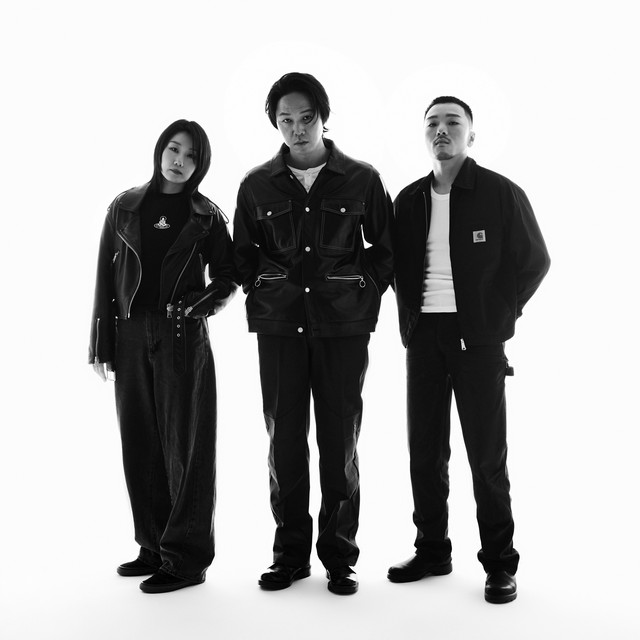
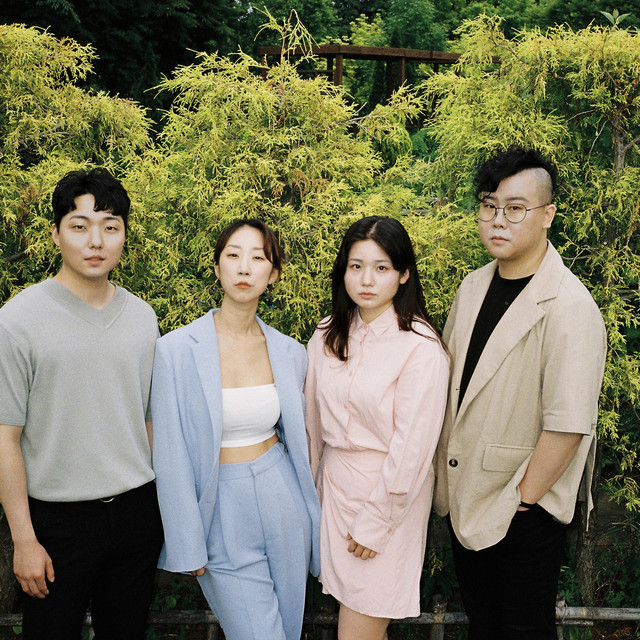

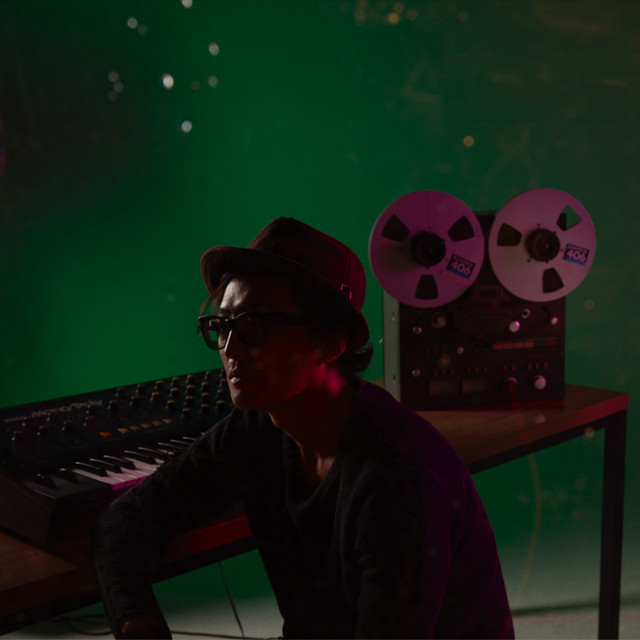

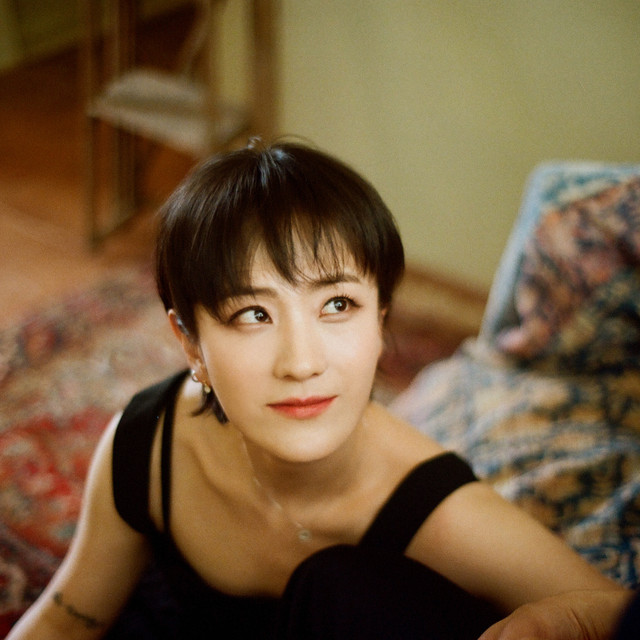


16
톡식
92
- listeners
About Korean indie rock
Korean indie rock is the quietly ambitious, guitar-driven edge of South Korea’s music scene. It grew from the underground and the street-level concerts of Seoul’s Hongdae district into a distinct global voice that blends punk energy, jangly guitar-pop, folk sentiment, and a DIY ethos. The sound is intimate yet expansive, often sung in Korean with bursts of English, and it tends to favor melody and mood over glossy production. It’s a scene fueled by passionate fans who value authenticity, musical risk, and the idea that music can be made outside the mainstream machinery.
The genre’s birth and development happened in the late 1990s and early 2000s, when a wave of bands started to push back against the heavily polished K-pop mainstream and the more conventional rock that preceded them. The Hongdae neighborhood became a nucleus for this movement, with small clubs, indie labels, and student-run venues hosting nights that allowed guitar-driven bands to sharpen their sound and build a devoted following. In this period, a handful of groups became anchors of the scene—bands that would be remembered as the first ambassadors of Korean indie rock. Their songs embraced urgency and simplicity, yet they carried a stubborn emotional charge that invited listeners to lean in.
What sets Korean indie rock apart is its flexibility and its sense of place. It often embraces cross-genre flirtations—ska-infused punk, atmospheric indie, folk-tinged ballads, and noisy but melodic post-punk elements—without losing a core focus on strong hooks and expressive storytelling. The lyrics frequently reflect personal introspection, social observation, urban life, and the contradictions of modern Korean youth. The production tends to prioritize live, guitar-forward textures that feel immediate, even when recorded in more polished settings.
Among the genre’s most influential acts are Crying Nut, Jaurim, and Deli Spice, who helped codify the indie-rock sound in Korea and inspired countless younger artists. Crying Nut’s energetic, anthemic approach and DIY spirit became a template for many bands that followed. Jaurim brought a more melodic, alternative rock sensibility that broadened the emotional palette of the scene. Deli Spice contributed jangly guitar pop and accessible songs that captured a broad audience while keeping an indie edge. In the 2010s and beyond, Hyukoh emerged as perhaps the most visible contemporary exponents of Korean indie rock on an international stage, helping to propel the scene onto festival bills and stages outside Korea. Other notable acts—ranging from experimental outfits like Guckkasten to more pop-oriented indie bands—have kept the scene diverse and evolving.
Korean indie rock is most popular at home, where it remains a vital part of the cultural conversation and a frequent live-music staple in clubs, theaters, and festival stages. It has also found listening communities in neighboring East Asia—Japan and Taiwan among them—and a growing, though narrower, audience in Europe and North America, often via streaming platforms and festival showcases such as Zandari Festa in Seoul and the DMZ Peace Train Music Festival. For music enthusiasts, Korean indie rock offers a window into a lively, listener-first side of Korea’s vast musical landscape: intimate, adventurous, and resolutely indie.
The genre’s birth and development happened in the late 1990s and early 2000s, when a wave of bands started to push back against the heavily polished K-pop mainstream and the more conventional rock that preceded them. The Hongdae neighborhood became a nucleus for this movement, with small clubs, indie labels, and student-run venues hosting nights that allowed guitar-driven bands to sharpen their sound and build a devoted following. In this period, a handful of groups became anchors of the scene—bands that would be remembered as the first ambassadors of Korean indie rock. Their songs embraced urgency and simplicity, yet they carried a stubborn emotional charge that invited listeners to lean in.
What sets Korean indie rock apart is its flexibility and its sense of place. It often embraces cross-genre flirtations—ska-infused punk, atmospheric indie, folk-tinged ballads, and noisy but melodic post-punk elements—without losing a core focus on strong hooks and expressive storytelling. The lyrics frequently reflect personal introspection, social observation, urban life, and the contradictions of modern Korean youth. The production tends to prioritize live, guitar-forward textures that feel immediate, even when recorded in more polished settings.
Among the genre’s most influential acts are Crying Nut, Jaurim, and Deli Spice, who helped codify the indie-rock sound in Korea and inspired countless younger artists. Crying Nut’s energetic, anthemic approach and DIY spirit became a template for many bands that followed. Jaurim brought a more melodic, alternative rock sensibility that broadened the emotional palette of the scene. Deli Spice contributed jangly guitar pop and accessible songs that captured a broad audience while keeping an indie edge. In the 2010s and beyond, Hyukoh emerged as perhaps the most visible contemporary exponents of Korean indie rock on an international stage, helping to propel the scene onto festival bills and stages outside Korea. Other notable acts—ranging from experimental outfits like Guckkasten to more pop-oriented indie bands—have kept the scene diverse and evolving.
Korean indie rock is most popular at home, where it remains a vital part of the cultural conversation and a frequent live-music staple in clubs, theaters, and festival stages. It has also found listening communities in neighboring East Asia—Japan and Taiwan among them—and a growing, though narrower, audience in Europe and North America, often via streaming platforms and festival showcases such as Zandari Festa in Seoul and the DMZ Peace Train Music Festival. For music enthusiasts, Korean indie rock offers a window into a lively, listener-first side of Korea’s vast musical landscape: intimate, adventurous, and resolutely indie.