Genre
mexican rock
Top Mexican rock Artists
Showing 25 of 807 artists




About Mexican rock
Mexican rock, often labeled as rock mexicano or rock en español from Mexico, is a vibrant lineage within Latin rock that grew out of Mexico City’s urban culture and spread to every corner of the country. It emerged in the late 1960s and 1970s as bands began writing and performing in Spanish, blending the ferocity of British and American rock with Mexican rhythms, social awareness, and local musical textures. The result is a sound that can be warm and melodic, or jagged and politically charged, but always unmistakably Mexican in spirit.
The seeds of Mexican rock were planted by a first generation of pioneers who brought rock and roll into Spanish. One of the oldest touchstones is Los Teen Tops, whose Spanish-language cover songs helped popularize rock in Mexico. Another crucial lineage comes from Three Souls in My Mind, a group that eventually became El Tri, a band that wired the bluesy hard rock tradition into everyday Mexican life with Alex Lora’s incisive lyrics. These early outfits set a DIY archetype: loud guitars, punchy hooks, and lyrics that spoke to urban youth, the family, the streets, and everyday struggle. By the 1970s, Mexican audiences had a rolling chorus of bands that could translate American rock energy into a distinctly local voice.
The 1980s marked a watershed moment for the scene with the rise of a genuine Mexican rock movement that would gain international traction. Caifanes fused rock with atmospheric textures and Mexican heritage, producing songs that felt grand and cinematic. Café Tacvba arrived with a restless, genre-bending approach—melding folk, rock, and experimental sounds—becoming one of the most influential acts in Latin rock. Maldita Vecindad infused punk and ska with a strong sense of neighborhood identity and social commentary, while Fobia and Maná brought pop sensibilities and broad appeal to the mix. Across the decade, a new generation learned to sing in Spanish about love, politics, and life on the margins, expanding rock’s reach within Mexico and beyond.
The 1990s and 2000s brought further global visibility. Molotov shattered stereotypes with a provocative, rap-infused rock that spoke to a younger, urban audience and confronted politics with humor and aggression. Maná achieved massive international success, helping to normalize Spanish-language rock on stages worldwide. Zoé, Panda, and other contemporaries continued to push the envelope with lush production, hypnotic guitars, and a modern, bilingual sensibility. All the while, festivals such as Vive Latino (founded in the late 1990s) became cultural barometers, showcasing a who’s who of Latin rock and connecting fans across the Americas and Spain.
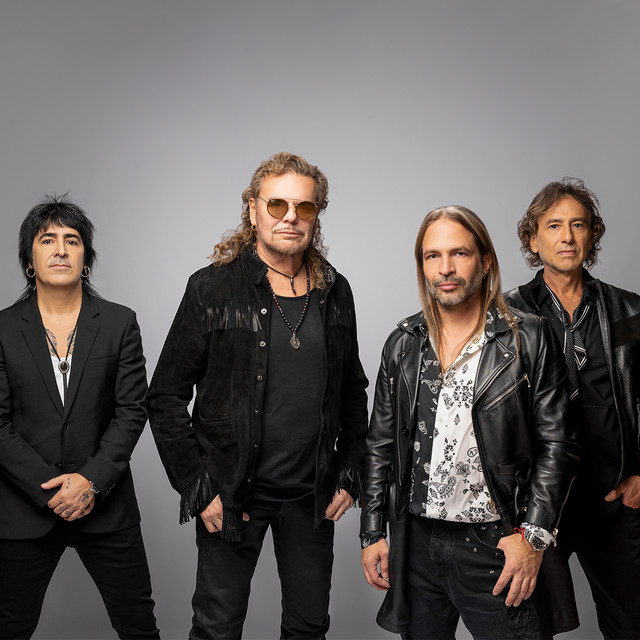
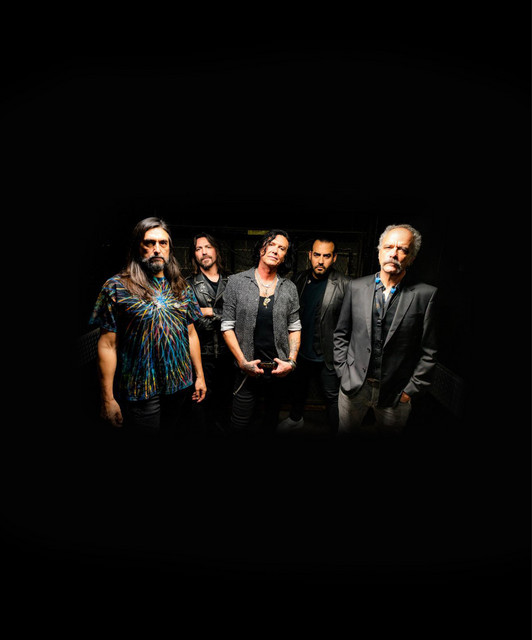
Today, Mexican rock is a broad umbrella that includes garage and blues-influenced bands, poetic indie outfits, and commercially successful rock en español acts. Its ambassadors—Alex Lora of El Tri, Saúl Hernández (Caifanes), Fher Olvera and Maná, Café Tacvba’s Rubén Albarrán and friends, and Molotov’s provocative lineup—have helped keep the scene alive, relevant, and continually evolving. The genre remains most popular in Mexico and among Spanish-speaking communities in the United States, with significant followings across Latin America and among international fans who crave music that is both energetic and culturally resonant. For enthusiasts, Mexican rock is not just a sound but a cultural movement—an enduring dialogue between tradition and modern edge.
The seeds of Mexican rock were planted by a first generation of pioneers who brought rock and roll into Spanish. One of the oldest touchstones is Los Teen Tops, whose Spanish-language cover songs helped popularize rock in Mexico. Another crucial lineage comes from Three Souls in My Mind, a group that eventually became El Tri, a band that wired the bluesy hard rock tradition into everyday Mexican life with Alex Lora’s incisive lyrics. These early outfits set a DIY archetype: loud guitars, punchy hooks, and lyrics that spoke to urban youth, the family, the streets, and everyday struggle. By the 1970s, Mexican audiences had a rolling chorus of bands that could translate American rock energy into a distinctly local voice.
The 1980s marked a watershed moment for the scene with the rise of a genuine Mexican rock movement that would gain international traction. Caifanes fused rock with atmospheric textures and Mexican heritage, producing songs that felt grand and cinematic. Café Tacvba arrived with a restless, genre-bending approach—melding folk, rock, and experimental sounds—becoming one of the most influential acts in Latin rock. Maldita Vecindad infused punk and ska with a strong sense of neighborhood identity and social commentary, while Fobia and Maná brought pop sensibilities and broad appeal to the mix. Across the decade, a new generation learned to sing in Spanish about love, politics, and life on the margins, expanding rock’s reach within Mexico and beyond.
The 1990s and 2000s brought further global visibility. Molotov shattered stereotypes with a provocative, rap-infused rock that spoke to a younger, urban audience and confronted politics with humor and aggression. Maná achieved massive international success, helping to normalize Spanish-language rock on stages worldwide. Zoé, Panda, and other contemporaries continued to push the envelope with lush production, hypnotic guitars, and a modern, bilingual sensibility. All the while, festivals such as Vive Latino (founded in the late 1990s) became cultural barometers, showcasing a who’s who of Latin rock and connecting fans across the Americas and Spain.
Today, Mexican rock is a broad umbrella that includes garage and blues-influenced bands, poetic indie outfits, and commercially successful rock en español acts. Its ambassadors—Alex Lora of El Tri, Saúl Hernández (Caifanes), Fher Olvera and Maná, Café Tacvba’s Rubén Albarrán and friends, and Molotov’s provocative lineup—have helped keep the scene alive, relevant, and continually evolving. The genre remains most popular in Mexico and among Spanish-speaking communities in the United States, with significant followings across Latin America and among international fans who crave music that is both energetic and culturally resonant. For enthusiasts, Mexican rock is not just a sound but a cultural movement—an enduring dialogue between tradition and modern edge.