Genre
michigan indie
Top Michigan indie Artists
Showing 25 of 44 artists




















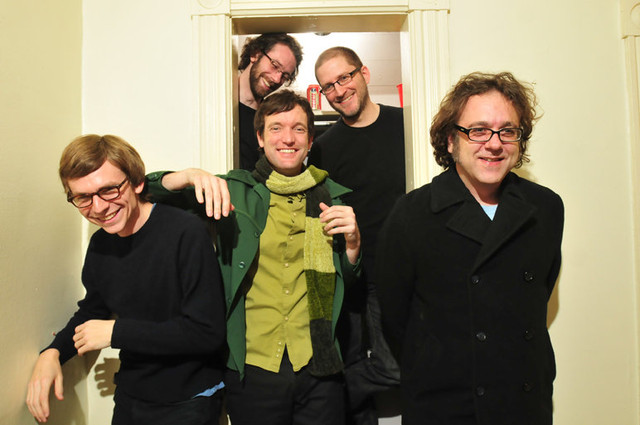
About Michigan indie
Michigan indie is a self-described strand of indie rock that crystallized in the Detroit and Ann Arbor scenes around the turn of the 21st century. It isn’t a formally codified subgenre with a strict syllabus, but a mood and a set of shared roots: a grounded, guitar-forward sensibility fused with DIY ethics, intimate songwriting, and a stubborn sense of place tied to Michigan’s urban grit and Great Lakes landscapes. Think lo-fi charm meeting big-heart melodies, where garage energy meets introspective lyricism and a willingness to cross musical borders.
The birth of Michigan indie sits in the late 1990s and early 2000s, when clubs like The Shelter in Detroit and The Blind Pig in Ann Arbor became launchpads for bands hungry to bypass glossy mainstream production. The scene drew heavily on Detroit’s storied musical traditions—punk, garage, and a stubborn indie DIY ethos—while embracing the broader indie-rock revival happening across the United States. It is as much about the stories in the songs as it is about the way the songs are made: understated, often with a spare, warm production that lets the voice and guitar carry the weight.
Among its ambassadors, a handful of acts stand out for giving Michigan indie a recognizable face. The White Stripes, formed in Detroit in 1997, became the international face of garage-inflected indie rock, delivering lean, raw blues-rock with razor-sharp lyricism through albums like White Blood Cells and Elephant. The Von Bondies, another Detroit staple active in the early 2000s, brought a punchy, punk-tinged sensibility with tracks that felt urgent and street-level. Sufjan Stevens, born in Detroit and deeply associated with Michigan through his concept albums and especially the celebrated Michigan-centered songcraft, broadened the scene’s appeal with intimate, intricate folk-pop that still carried a sense of regional pride. Electric Six added a theatrical, danceable edge to the mix, proving that Michigan indie could be cheeky as well as reflective. Together, these artists are often cited as the scene’s most influential ambassadors, each at a different corner of the spectrum.
In terms of sound, Michigan indie often embraces crisp guitar lines, warm analog textures, and storytelling lyrics that can be earnest, wry, or bittersweet. There’s a pride of place in the writing—urban renewal, neighborhood detours, underground venues, and the feeling of drifting through a midwestern night. It’s not about one sound but a family of approaches: garage swagger, indie folk intimacy, and the occasional pop-scented chorus that still keeps the edge intact.
Where is it popular? The heartland and the Midwest have remained the core, with the United States as the primary audience. Canada shares cultural and geographic proximity that nurtures cross-border tours and fan networks. Beyond North America, Michigan indie has found listening rooms in the United Kingdom, parts of mainland Europe, and to a more niche extent in Japan and Australia, where the lo-fi, guitar-driven aesthetic resonates with indie fans who seek authenticity and a strong sense of place.
In short, Michigan indie is a regional heartbeat that fed into the larger global indie ecosystem: distinctly American in its roots, boldly melodic in its execution, and endlessly adaptable to the evolving sounds of independent music.
The birth of Michigan indie sits in the late 1990s and early 2000s, when clubs like The Shelter in Detroit and The Blind Pig in Ann Arbor became launchpads for bands hungry to bypass glossy mainstream production. The scene drew heavily on Detroit’s storied musical traditions—punk, garage, and a stubborn indie DIY ethos—while embracing the broader indie-rock revival happening across the United States. It is as much about the stories in the songs as it is about the way the songs are made: understated, often with a spare, warm production that lets the voice and guitar carry the weight.
Among its ambassadors, a handful of acts stand out for giving Michigan indie a recognizable face. The White Stripes, formed in Detroit in 1997, became the international face of garage-inflected indie rock, delivering lean, raw blues-rock with razor-sharp lyricism through albums like White Blood Cells and Elephant. The Von Bondies, another Detroit staple active in the early 2000s, brought a punchy, punk-tinged sensibility with tracks that felt urgent and street-level. Sufjan Stevens, born in Detroit and deeply associated with Michigan through his concept albums and especially the celebrated Michigan-centered songcraft, broadened the scene’s appeal with intimate, intricate folk-pop that still carried a sense of regional pride. Electric Six added a theatrical, danceable edge to the mix, proving that Michigan indie could be cheeky as well as reflective. Together, these artists are often cited as the scene’s most influential ambassadors, each at a different corner of the spectrum.
In terms of sound, Michigan indie often embraces crisp guitar lines, warm analog textures, and storytelling lyrics that can be earnest, wry, or bittersweet. There’s a pride of place in the writing—urban renewal, neighborhood detours, underground venues, and the feeling of drifting through a midwestern night. It’s not about one sound but a family of approaches: garage swagger, indie folk intimacy, and the occasional pop-scented chorus that still keeps the edge intact.
Where is it popular? The heartland and the Midwest have remained the core, with the United States as the primary audience. Canada shares cultural and geographic proximity that nurtures cross-border tours and fan networks. Beyond North America, Michigan indie has found listening rooms in the United Kingdom, parts of mainland Europe, and to a more niche extent in Japan and Australia, where the lo-fi, guitar-driven aesthetic resonates with indie fans who seek authenticity and a strong sense of place.
In short, Michigan indie is a regional heartbeat that fed into the larger global indie ecosystem: distinctly American in its roots, boldly melodic in its execution, and endlessly adaptable to the evolving sounds of independent music.