Genre
military band
Top Military band Artists
Showing 25 of 74 artists






About Military band
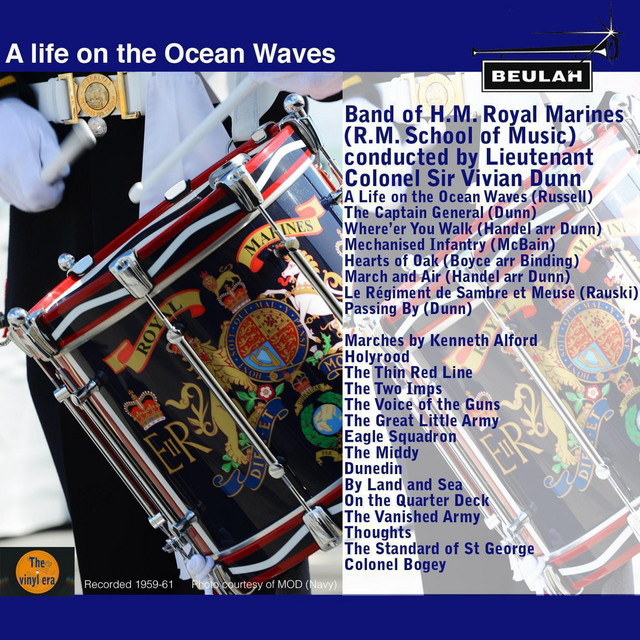
Military bands occupy a distinct niche at the intersection of ceremony, patriotism, and percussion-driven energy. They are ensembles trained to project with precision, endurance, and pageantry, performing marches, fanfares, ceremonial suites, and ceremonial songs for parades, state visits, and military ceremonies. The genre isn’t a single stylistic movement so much as a living tradition shaped by function and repertoire: a fusion of regimental custom with concert-ready artistry.
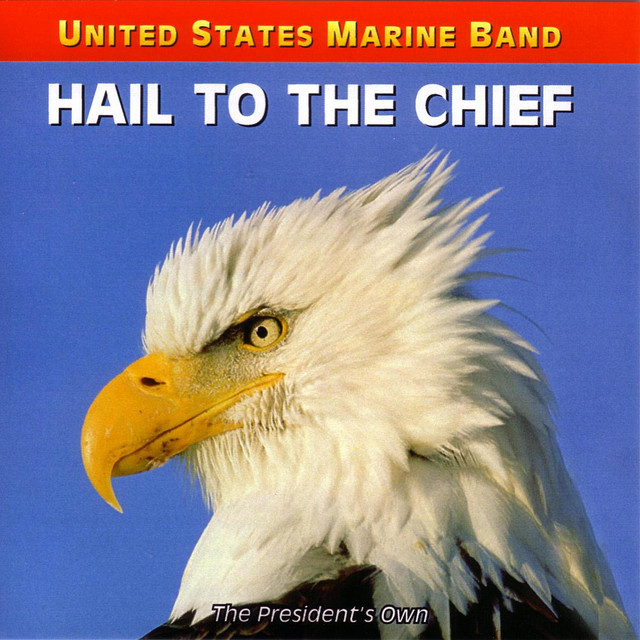
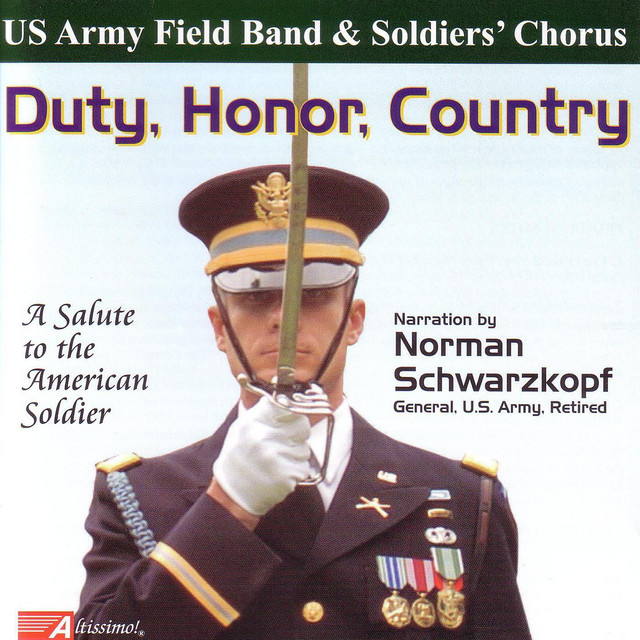
Origins trace back to the drum-and-fife corps that accompanied armies in medieval and early-modern Europe. As regiments grew, the need for signal instruments and wind bands for drills and parades became formalized. By the 18th and 19th centuries, European armies developed standardized military bands, creating a codified repertoire of marches and ceremonial pieces. In the United States, the tradition found a high-water mark with the U.S. Marine Band, established in 1798 as the President’s Own and today one of the world’s most celebrated military ensembles. The late 19th and early 20th centuries saw American composer-conductor John Philip Sousa redefine the genre with the concert march, elevating the band’s public profile and giving the repertoire enduring pieces such as Stars and Stripes Forever.
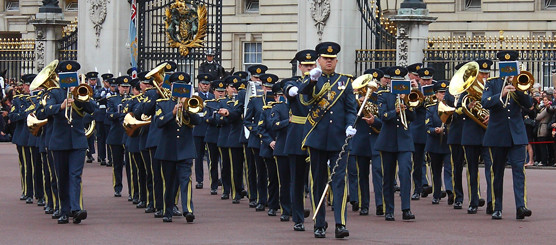
Instrumentation in military bands is classic but varied: fanfare trumpets, clarinets and saxophones, cornets and trombones, tubas, and a percussion battery that includes snare, bass drum, and timpani. Some regiments include bagpipes in their Scottish or Irish units; others feature ceremonial drums for royal or national occasions. The music blends function with artistry: brisk marches in 2/4 or 6/8 tempos, lyrical interludes for ceremonial moments, and fanfares that announce processions or the arrival of dignitaries.
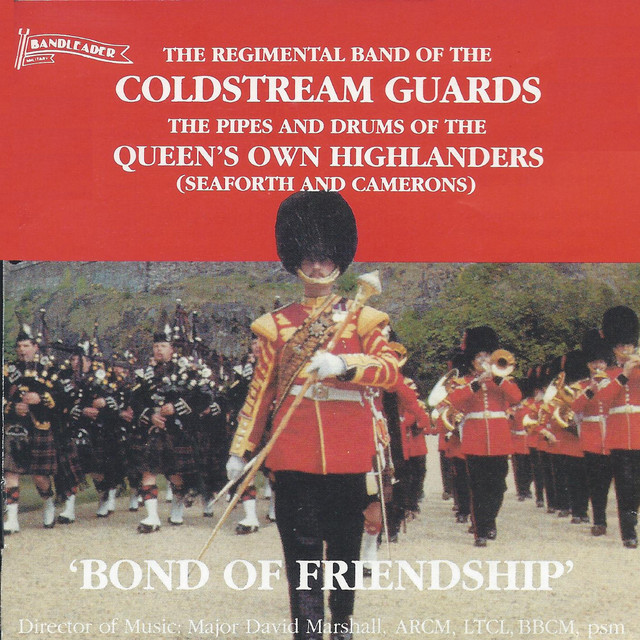
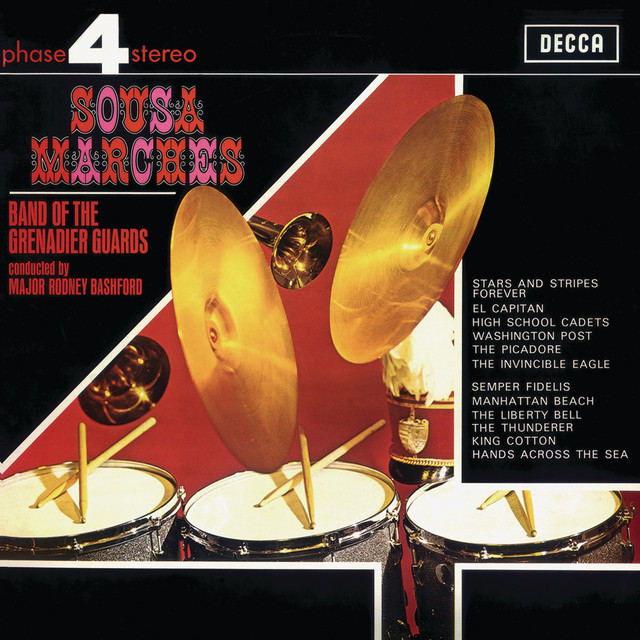
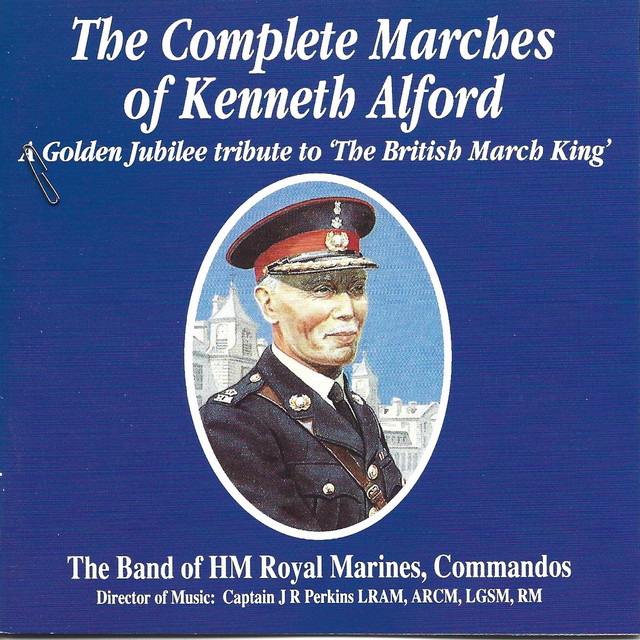
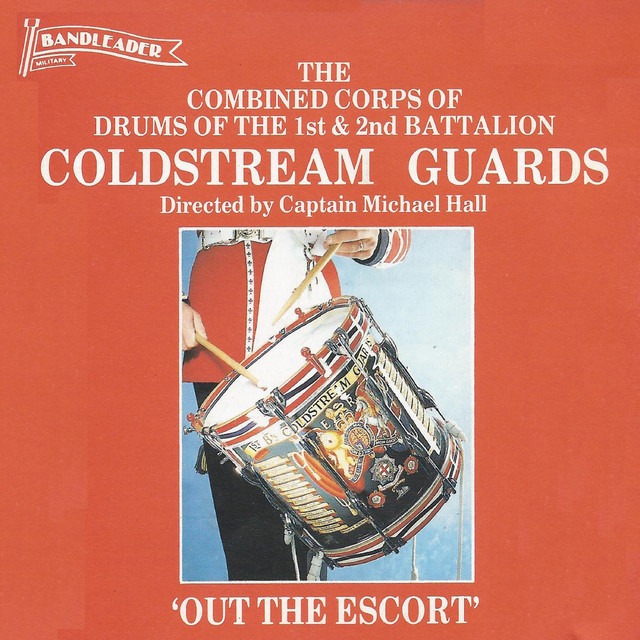
Key artists and ambassadors include John Philip Sousa, whose marches became a template for teaching and performing widely; Carl Teike, composer of Alte Kameraden, one of the most popular European military marches; and renowned ensembles such as the U.S. Marine Band and the British Household Division bands (including Grenadier Guards, Coldstream Guards, and the Band of the Grenadier Guards). International military bands from France, Germany, Russia, Poland, and elsewhere also tour and record, strengthening the genre’s global footprint. Festivals like Moscow’s Spasskaya Tower and national-day performances keep the sound current, while film and media continue to introduce the genre to new listeners.
Geographically, the genre enjoys strong support in the United States, the United Kingdom, and German-speaking Europe, with robust traditions in France, Russia, Poland, and parts of Scandinavia. It also thrives in national forces in Asia, with ceremonial bands in China, Japan, and India maintaining a vital presence in state rituals and public concerts. For enthusiasts, military band music offers a rare blend of historical signaling, precision-driven ensemble playing, and emotionally direct anthems that celebrate civic pride and military heritage.
Origins trace back to the drum-and-fife corps that accompanied armies in medieval and early-modern Europe. As regiments grew, the need for signal instruments and wind bands for drills and parades became formalized. By the 18th and 19th centuries, European armies developed standardized military bands, creating a codified repertoire of marches and ceremonial pieces. In the United States, the tradition found a high-water mark with the U.S. Marine Band, established in 1798 as the President’s Own and today one of the world’s most celebrated military ensembles. The late 19th and early 20th centuries saw American composer-conductor John Philip Sousa redefine the genre with the concert march, elevating the band’s public profile and giving the repertoire enduring pieces such as Stars and Stripes Forever.
Instrumentation in military bands is classic but varied: fanfare trumpets, clarinets and saxophones, cornets and trombones, tubas, and a percussion battery that includes snare, bass drum, and timpani. Some regiments include bagpipes in their Scottish or Irish units; others feature ceremonial drums for royal or national occasions. The music blends function with artistry: brisk marches in 2/4 or 6/8 tempos, lyrical interludes for ceremonial moments, and fanfares that announce processions or the arrival of dignitaries.
Key artists and ambassadors include John Philip Sousa, whose marches became a template for teaching and performing widely; Carl Teike, composer of Alte Kameraden, one of the most popular European military marches; and renowned ensembles such as the U.S. Marine Band and the British Household Division bands (including Grenadier Guards, Coldstream Guards, and the Band of the Grenadier Guards). International military bands from France, Germany, Russia, Poland, and elsewhere also tour and record, strengthening the genre’s global footprint. Festivals like Moscow’s Spasskaya Tower and national-day performances keep the sound current, while film and media continue to introduce the genre to new listeners.
Geographically, the genre enjoys strong support in the United States, the United Kingdom, and German-speaking Europe, with robust traditions in France, Russia, Poland, and parts of Scandinavia. It also thrives in national forces in Asia, with ceremonial bands in China, Japan, and India maintaining a vital presence in state rituals and public concerts. For enthusiasts, military band music offers a rare blend of historical signaling, precision-driven ensemble playing, and emotionally direct anthems that celebrate civic pride and military heritage.