Genre
military rap
Top Military rap Artists
Showing 25 of 39 artists















About Military rap
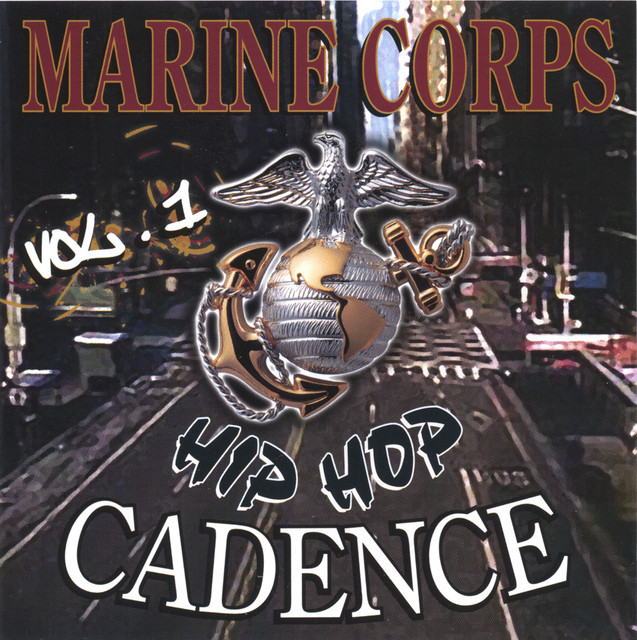
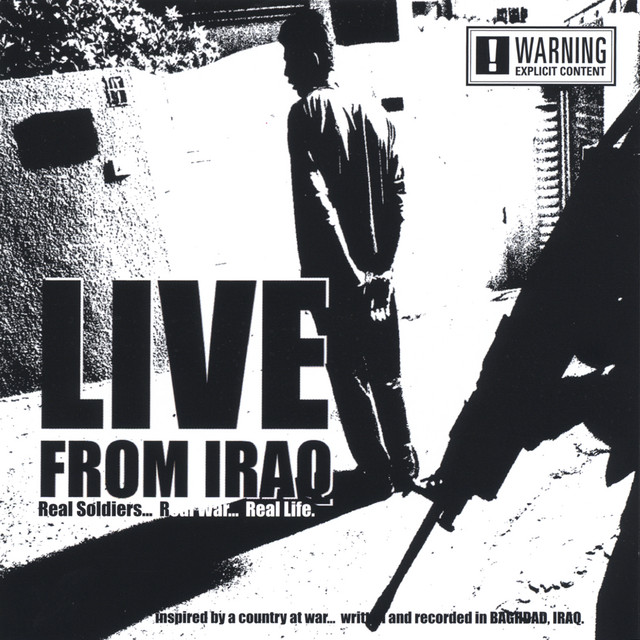
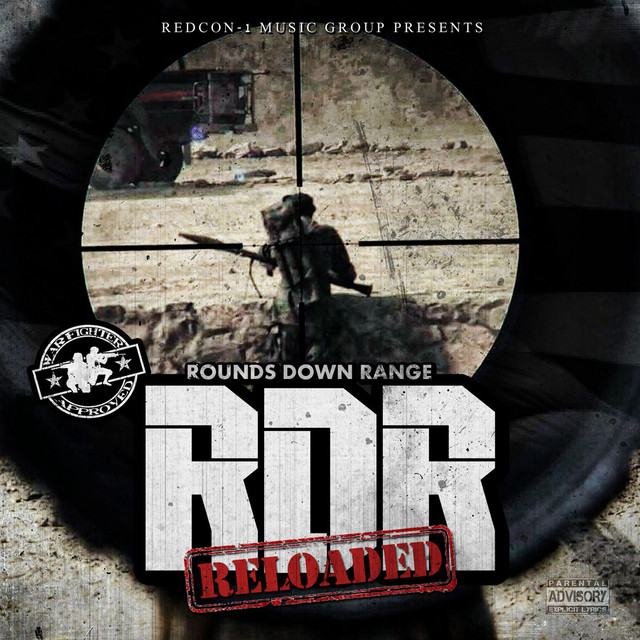
Military rap is a subgenre of hip-hop that centers on the language of warfare, military life, and civic duty. Sonically, it often leans on martial drum patterns, tight snare clocks, and brass or horn accents that evoke marching bands or drill formations. Some tracks layer field recordings, sirens, or weapon-like clangs to heighten the sense of danger and discipline. Lyrically, the songs range from patriotic address to blistering anti-war critique, but they share a common focus: the costs, ethics, and psychology of conflict as seen through a soldier’s or citizen’s eyes. The genre frequently foregrounds themes of training, comradeship, sacrifice, and accountability.
Militaristic motifs in rap emerged within the broader tradition of militant and protest hip-hop. The late 1980s and early 1990s saw acts like Public Enemy redefining how rhythm and rhetoric could confront power, while groups such as Dead Prez in the 2000s pushed a more explicit, drill-ground perspective on imperialism, sovereignty, and social warfare. After 9/11, some artists doubled down on martial imagery as a way to address national identity and the human toll of modern conflict. Though not a formally codified scene, the sound and mood of military rap grew as its own recognizable branch of political rap.
Core ambassadors include Chuck D and Public Enemy for their militant cadence and anti-establishment stance; Dead Prez, whose Let’s Get Free fused martial tempo with radical critique; and Immortal Technique, who treats war, empire, and profiteering with precise, uncompromising lyricism. Other veterans and activists contribute, blending firsthand experience with broader geopolitical commentary. In practice, artists from different backgrounds bring their own military memories to bear, producing a spectrum that can be nationalistic, pacifist, or grimly realist.
Musically, military rap often favors concise, beating-heart tempos, punchy drums, and minimal, hypnotic basslines that keep the focus on storytelling and message. The production can feel cinematic, with orchestral hits, or stark and minimal to mirror the grit of street-level experience. Lyrically, listeners encounter deployment narratives, PTSD and reintegration, critiques of war machines and policy, and questions of loyalty, justice, and ethics in times of conflict. The tone can be urgent and militant, or reflective and somber—sometimes both within a single album or track.
In the United States, it flourishes within underground and politically conscious circles and veterans’ communities. It also attracts listeners in the United Kingdom, France, and other parts of Europe with strong traditions of protest rap, as well as in regions where war and military service are salient social themes. As production shifts toward hybrid forms with trap or drill influences, the aesthetic remains rooted in discipline and confrontation, offering a lens on war, power, and conscience that appeals to fans who value forthright messaging and narrative heft.
To start exploring, listen to Public Enemy’s early catalog for the militant edge, Dead Prez’s Let’s Get Free for a direct manifesto, and Immortal Technique’s Revolutionary Vol. 1 for geopolitics with bite. Contemporary acts blend martial mood with trap and drill, offering fresh entry points for enthusiasts seeking hard tempo, hard truths, and disciplined rhetoric.
Militaristic motifs in rap emerged within the broader tradition of militant and protest hip-hop. The late 1980s and early 1990s saw acts like Public Enemy redefining how rhythm and rhetoric could confront power, while groups such as Dead Prez in the 2000s pushed a more explicit, drill-ground perspective on imperialism, sovereignty, and social warfare. After 9/11, some artists doubled down on martial imagery as a way to address national identity and the human toll of modern conflict. Though not a formally codified scene, the sound and mood of military rap grew as its own recognizable branch of political rap.
Core ambassadors include Chuck D and Public Enemy for their militant cadence and anti-establishment stance; Dead Prez, whose Let’s Get Free fused martial tempo with radical critique; and Immortal Technique, who treats war, empire, and profiteering with precise, uncompromising lyricism. Other veterans and activists contribute, blending firsthand experience with broader geopolitical commentary. In practice, artists from different backgrounds bring their own military memories to bear, producing a spectrum that can be nationalistic, pacifist, or grimly realist.
Musically, military rap often favors concise, beating-heart tempos, punchy drums, and minimal, hypnotic basslines that keep the focus on storytelling and message. The production can feel cinematic, with orchestral hits, or stark and minimal to mirror the grit of street-level experience. Lyrically, listeners encounter deployment narratives, PTSD and reintegration, critiques of war machines and policy, and questions of loyalty, justice, and ethics in times of conflict. The tone can be urgent and militant, or reflective and somber—sometimes both within a single album or track.
In the United States, it flourishes within underground and politically conscious circles and veterans’ communities. It also attracts listeners in the United Kingdom, France, and other parts of Europe with strong traditions of protest rap, as well as in regions where war and military service are salient social themes. As production shifts toward hybrid forms with trap or drill influences, the aesthetic remains rooted in discipline and confrontation, offering a lens on war, power, and conscience that appeals to fans who value forthright messaging and narrative heft.
To start exploring, listen to Public Enemy’s early catalog for the militant edge, Dead Prez’s Let’s Get Free for a direct manifesto, and Immortal Technique’s Revolutionary Vol. 1 for geopolitics with bite. Contemporary acts blend martial mood with trap and drill, offering fresh entry points for enthusiasts seeking hard tempo, hard truths, and disciplined rhetoric.