Genre
minneapolis sound
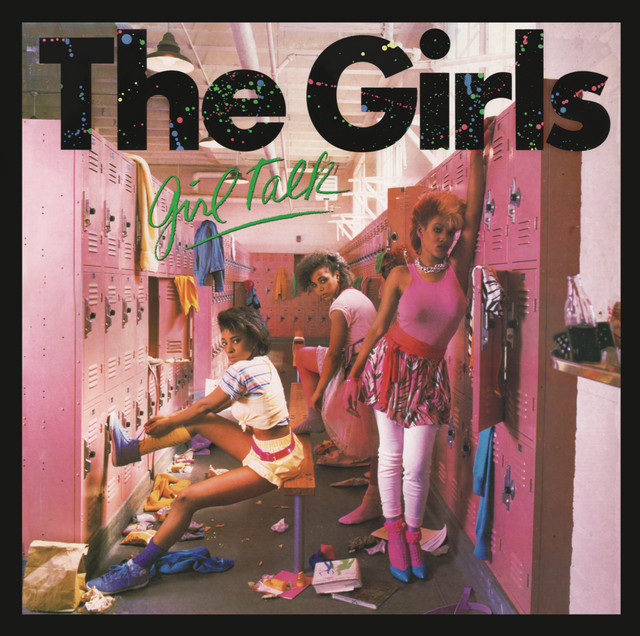
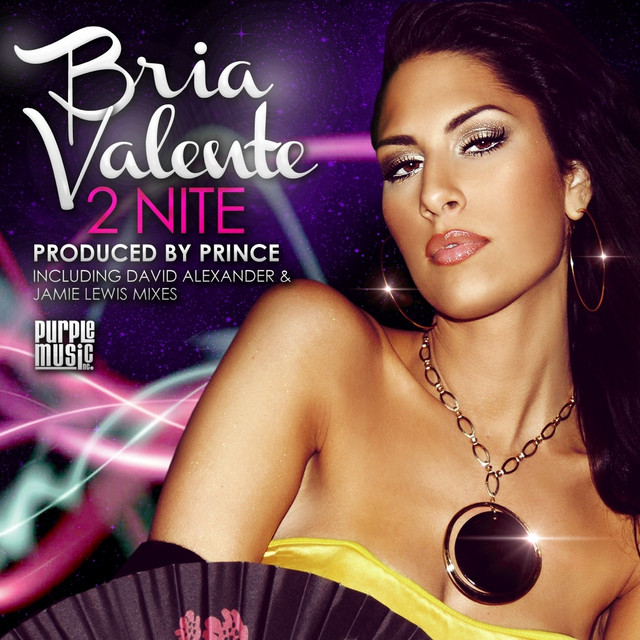
Top Minneapolis sound Artists
Showing 20 of 20 artists





About Minneapolis sound
The Minneapolis sound is a late-1970s/early-1980s funk-pop hybrid born in the clubs, studios, and orbit of Prince in Minneapolis, Minnesota. It’s not a single recipe but a sonic approach: compact grooves, shimmering keyboards, tight rhythm sections, and a pop sheen that pushed funk into radio-ready territory. What sets it apart is less a strict style and more a production mindset—an almost futuristic warmth built with live bass and guitars braided with synths and drum machines. The result is music that swings hard on the dance floor while remaining sophisticated and melodic enough for headphone listening.
Historically, the sound crystallized as Prince and his circle—The Revolution, Dez Dickerson, André Cymone, and other Minneapolis collaborators—experimented with new textures and technologies. By the early 1980s, synthesizers such as the Prophet-5 and Moog, along with drum machines like the Linn LM-1, became central tools. The guitar could punch through with funk rhythms one moment and shimmer with pop gloss the next; the keyboards and backing vocals often layered into gleaming, almost prismatic harmonies. The production favored concise arrangements, punchy hooks, and a confident, radio-friendly polish that retained a fearless edge.
Key artists and ambassadors of the Minneapolis sound extend beyond Prince himself. The Time, led by Morris Day and featuring standout guitarist Jesse Johnson, brought a swaggering, dance-floor-ready dimension to the scene. Sheila E. became a defining voice on percussion and melody, while Wendy & Lisa helped shape the sonic architecture of Prince’s era with their keening synths and nimble arrangements. Producers Jimmy Jam and Terry Lewis, based in Minneapolis, became instrumental in codifying the sound and then channeling it into a wider pop-and-R&B audience through work with Janet Jackson and other artists. Prince’s collaborations with these musicians created a template—a synthesis of funk grit, rock energy, and pop clarity—that reverberated through the 80s.
The genre’s most iconic records are closely tied to Prince’s early- to mid-80s peak: hits from the Dirty Mind era, the expansive 1999, and the soundtrack-driven Purple Rain showcased the Minneapolis sound’s dual identity—raw funk energy tempered by cinematic, world-spanning production. The music’s influence rippled outward, shaping not only Prince’s own evolving sound but also the broader currents of 80s pop, dance-rock, and the burgeoning new-school R&B produced by Jam and Lewis.
In terms of reach, the Minneapolis sound found significant audiences in the United States, especially across urban centers and the Midwest, but its appeal traveled abroad as Prince’s superstardom exploded worldwide. Europe and Japan developed dedicated followings for his work, and the production blueprint—sleek synths, rhythmic tightness, and fearless crossover energy—left a lasting imprint on international pop and funk. Today, ardent fans and historians regard the Minneapolis sound as a crucial bridge between 70s funk and 80s pop futurism, a distinctly Midwestern blueprint that proved that regional scenes could redefine mainstream music. For enthusiasts, it’s a precise, endlessly replayable snapshot of a moment when a city, a camp of musicians, and a visionary artist rewired popular music from the ground up.
Historically, the sound crystallized as Prince and his circle—The Revolution, Dez Dickerson, André Cymone, and other Minneapolis collaborators—experimented with new textures and technologies. By the early 1980s, synthesizers such as the Prophet-5 and Moog, along with drum machines like the Linn LM-1, became central tools. The guitar could punch through with funk rhythms one moment and shimmer with pop gloss the next; the keyboards and backing vocals often layered into gleaming, almost prismatic harmonies. The production favored concise arrangements, punchy hooks, and a confident, radio-friendly polish that retained a fearless edge.
Key artists and ambassadors of the Minneapolis sound extend beyond Prince himself. The Time, led by Morris Day and featuring standout guitarist Jesse Johnson, brought a swaggering, dance-floor-ready dimension to the scene. Sheila E. became a defining voice on percussion and melody, while Wendy & Lisa helped shape the sonic architecture of Prince’s era with their keening synths and nimble arrangements. Producers Jimmy Jam and Terry Lewis, based in Minneapolis, became instrumental in codifying the sound and then channeling it into a wider pop-and-R&B audience through work with Janet Jackson and other artists. Prince’s collaborations with these musicians created a template—a synthesis of funk grit, rock energy, and pop clarity—that reverberated through the 80s.
The genre’s most iconic records are closely tied to Prince’s early- to mid-80s peak: hits from the Dirty Mind era, the expansive 1999, and the soundtrack-driven Purple Rain showcased the Minneapolis sound’s dual identity—raw funk energy tempered by cinematic, world-spanning production. The music’s influence rippled outward, shaping not only Prince’s own evolving sound but also the broader currents of 80s pop, dance-rock, and the burgeoning new-school R&B produced by Jam and Lewis.
In terms of reach, the Minneapolis sound found significant audiences in the United States, especially across urban centers and the Midwest, but its appeal traveled abroad as Prince’s superstardom exploded worldwide. Europe and Japan developed dedicated followings for his work, and the production blueprint—sleek synths, rhythmic tightness, and fearless crossover energy—left a lasting imprint on international pop and funk. Today, ardent fans and historians regard the Minneapolis sound as a crucial bridge between 70s funk and 80s pop futurism, a distinctly Midwestern blueprint that proved that regional scenes could redefine mainstream music. For enthusiasts, it’s a precise, endlessly replayable snapshot of a moment when a city, a camp of musicians, and a visionary artist rewired popular music from the ground up.