Genre
modern blues
Top Modern blues Artists
Showing 25 of 1,155 artists

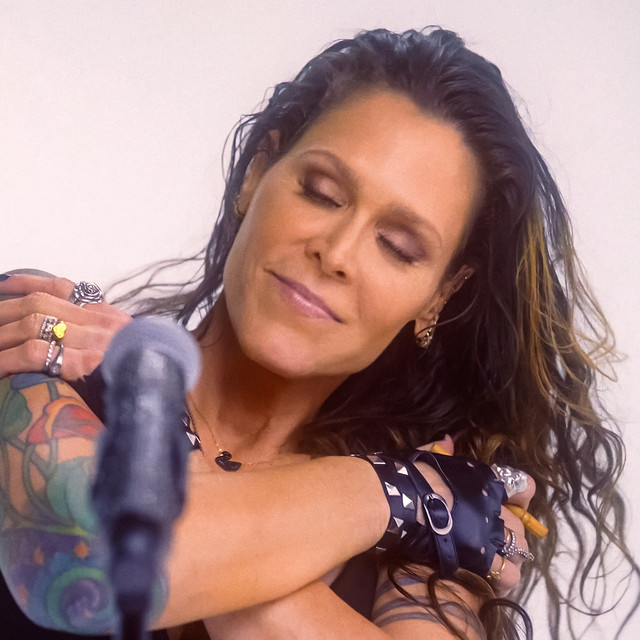
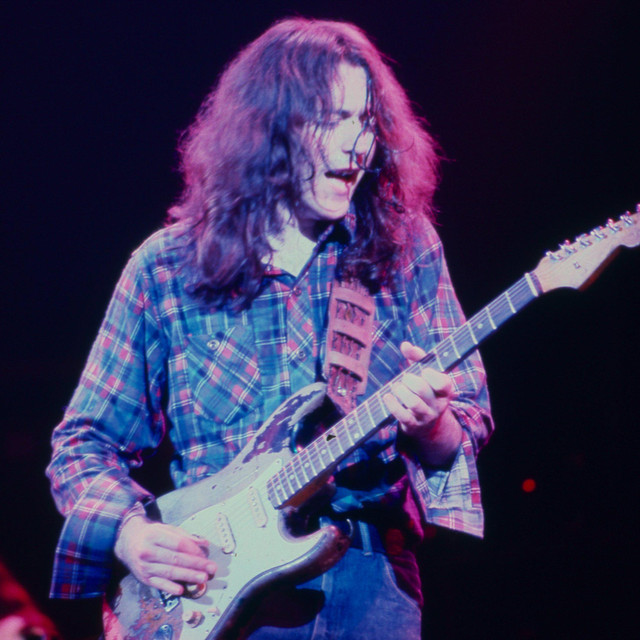
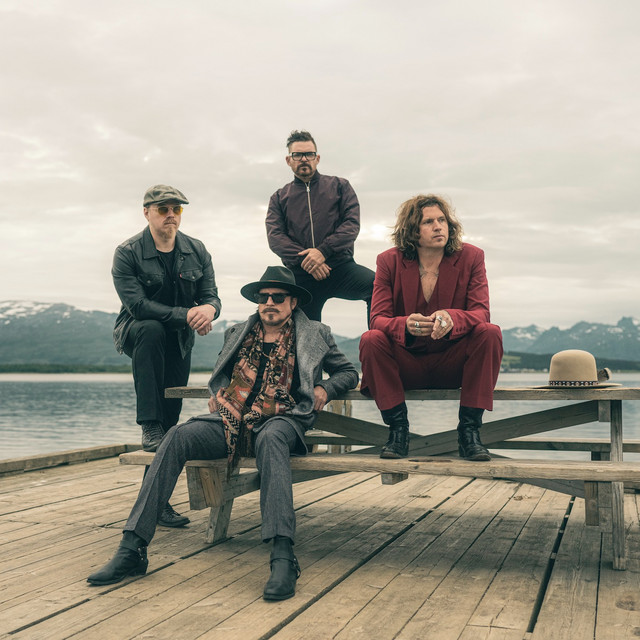
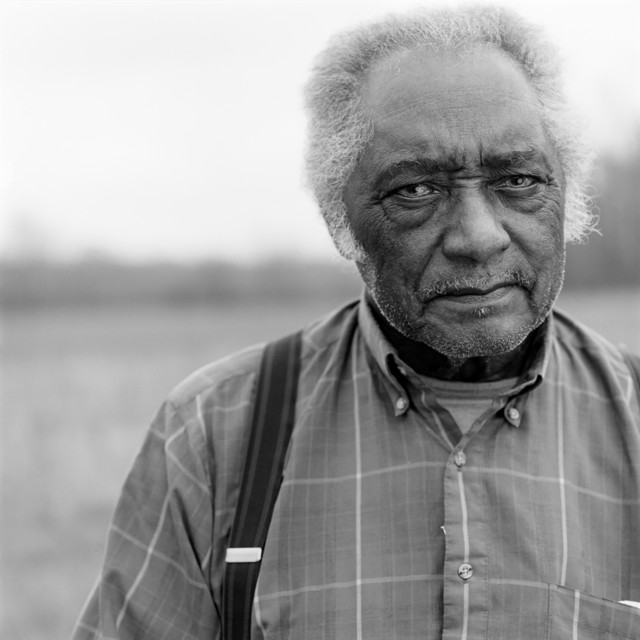

About Modern blues
Modern blues is a living, evolving branch of the blues family tree. It keeps the essential language—the 12-bar forms, the call-and-response between voice and guitar, the expressive bends and tonal sighs—while inviting contemporary textures, production techniques, and cross-genre collaborations. In practice, “modern blues” describes the blues as a current, vibrant music that dialogues with rock, soul, funk, jazz, and even electronic influences, without losing its roots in the Delta and the urban electric blues of Chicago.
Its birth and evolution can be traced in two broad lines. The roots are the late 19th and early 20th century Mississippi Delta blues, a voice forged in sharecropping communities, migration, and the Great Migration to northern cities. Early records in the 1920s captured the delta language in a form that would be amplified in clubs and studios for decades. The second, more recognizably “modern” phase began in the 1960s and 1970s, as British blues pioneers and American electric blues players electrified the genre. The British invasion bands—Cream, The Yardbirds, and later Fleetwood Mac—reinterpreted the rural and urban blues through Marshall stacks and Marshalling guitars, helping redefine blues as a vehicle for ferocious, virtuosic playing. Back in the United States, Chicago and Texas blues veterans, combined with progressive production, helped seed what fans now call modern blues—an approach that honors tradition but speaks in a more diverse, multi-faceted vocabulary.
Key features of modern blues include electric guitar mastery, punchy drum grooves, and a vocalist who can swing between soul-munged grit and melodic storytelling. Improvisation remains central, but arrangements are often studio-informed and band-driven, capable of sharp dynamics, slow-burning ballads, or high-velocity soloing. The genre embraces a broad palette: gritty harmonica, expressive piano, horn sections, and even contemporary effects when appropriate. The modern blues scene thrives on collaboration, tribute tours, and cross-pollination with rock, R&B, and indie forms, which keeps it accessible to new listeners while rewarding long-time enthusiasts.
Ambassadors and landmark figures help define modern blues. In the lineage, you’ll find B.B. King and Muddy Waters as foundational influences, while 1960s and 70s icons like Eric Clapton and Buddy Guy pushed the electric language further. The late 20th and early 21st centuries gave us Joe Bonamassa, whose prolific output and guitar mastery embody a highly polished strand of the style; Gary Clark Jr., who blends blues with rock and soul in a distinctly contemporary voice; Bonnie Raitt, whose fusion of blues heart and pop-accessible melodies broadened the audience; Keb’ Mo’, with a rooted, modern-sounding Delta-informed approach; and Derek Trucks and Susan Tedeschi, the husband-and-wife duo who anchored the modern blues scene with groove-heavy, deeply communicative performances. John Mayer and others have also helped bring blues sensibilities to a wider, younger audience.
Geographically, modern blues remains strongest in the United States, where its roots run deepest, but it has strong, organized scenes in the United Kingdom, much of Europe (notably Germany, the Netherlands, and Scandinavia), and Japan. Festivals, dedicated clubs, and streaming-era communities ensure the music remains accessible, collectible, and alive. For the true enthusiast, modern blues is a continuous conversation—between past and present, between traditional phrasing and contemporary bravado.
Its birth and evolution can be traced in two broad lines. The roots are the late 19th and early 20th century Mississippi Delta blues, a voice forged in sharecropping communities, migration, and the Great Migration to northern cities. Early records in the 1920s captured the delta language in a form that would be amplified in clubs and studios for decades. The second, more recognizably “modern” phase began in the 1960s and 1970s, as British blues pioneers and American electric blues players electrified the genre. The British invasion bands—Cream, The Yardbirds, and later Fleetwood Mac—reinterpreted the rural and urban blues through Marshall stacks and Marshalling guitars, helping redefine blues as a vehicle for ferocious, virtuosic playing. Back in the United States, Chicago and Texas blues veterans, combined with progressive production, helped seed what fans now call modern blues—an approach that honors tradition but speaks in a more diverse, multi-faceted vocabulary.
Key features of modern blues include electric guitar mastery, punchy drum grooves, and a vocalist who can swing between soul-munged grit and melodic storytelling. Improvisation remains central, but arrangements are often studio-informed and band-driven, capable of sharp dynamics, slow-burning ballads, or high-velocity soloing. The genre embraces a broad palette: gritty harmonica, expressive piano, horn sections, and even contemporary effects when appropriate. The modern blues scene thrives on collaboration, tribute tours, and cross-pollination with rock, R&B, and indie forms, which keeps it accessible to new listeners while rewarding long-time enthusiasts.
Ambassadors and landmark figures help define modern blues. In the lineage, you’ll find B.B. King and Muddy Waters as foundational influences, while 1960s and 70s icons like Eric Clapton and Buddy Guy pushed the electric language further. The late 20th and early 21st centuries gave us Joe Bonamassa, whose prolific output and guitar mastery embody a highly polished strand of the style; Gary Clark Jr., who blends blues with rock and soul in a distinctly contemporary voice; Bonnie Raitt, whose fusion of blues heart and pop-accessible melodies broadened the audience; Keb’ Mo’, with a rooted, modern-sounding Delta-informed approach; and Derek Trucks and Susan Tedeschi, the husband-and-wife duo who anchored the modern blues scene with groove-heavy, deeply communicative performances. John Mayer and others have also helped bring blues sensibilities to a wider, younger audience.
Geographically, modern blues remains strongest in the United States, where its roots run deepest, but it has strong, organized scenes in the United Kingdom, much of Europe (notably Germany, the Netherlands, and Scandinavia), and Japan. Festivals, dedicated clubs, and streaming-era communities ensure the music remains accessible, collectible, and alive. For the true enthusiast, modern blues is a continuous conversation—between past and present, between traditional phrasing and contemporary bravado.