Genre
modern bollywood
Top Modern bollywood Artists
Showing 8 of 8 artists



About Modern bollywood
Modern Bollywood is the living, breathing soundscape of contemporary Hindi cinema, a genre that blends Indian classical and folk textures with Western pop, hip-hop, EDM, and global club sensibilities. It is not a formal single style so much as a dynamic ecosystem that has evolved since the early 2000s, built on a century of filmi music but reimagined for the streaming era, international stages, and a worldwide South Asian diaspora.
Origins and evolution
Filmi music has deep roots dating back to the 1930s, but “modern Bollywood” as a recognizable project began to crystallize in the 2000s. The period witnessed a wave of savvy producers and composers who could fuse catchy, radio-friendly melodies with contemporary production. Pritam’s Romantic-pop sensibilities (Jab We Met, Love Aaj Kal) and Vishal–Shekhar’s glossy, urban soundtracks (Om Shanti Om, Tashan) helped redefine the template. Amit Trivedi’s Dev.D (2009) pushed the boundaries further with indie-influenced textures, eclectic instrumentation, and a more experimental edge. A.R. Rahman’s global approach long predated this era, but his late-1990s through 2000s work—harmonizing melody with worldbeat and electronic color—paved the way for the current fusion aesthetic.
Sound and production
Modern Bollywood thrives on a hybrid palate. Expect shimmering melodic lines rooted in Indian raga and folk idioms, married to Western synths, heavy bass, and rhythmic programming drawn from hip-hop and EDM. Punjabi and bhangra influences frequently appear, delivering high-energy dancefloor tracks alongside intimate, orchestral ballads. The production often emphasizes polish and immediacy: punchy hooks, cinematic layering, and a proclivity for cross-genre collaborations that pair a traditional melody with a club-ready drop or a trap verse. The result is a soundtrack language that can swing from heartbreakingly lyrical to irresistibly catchy in a single sequence.
Ambassadors and key voices
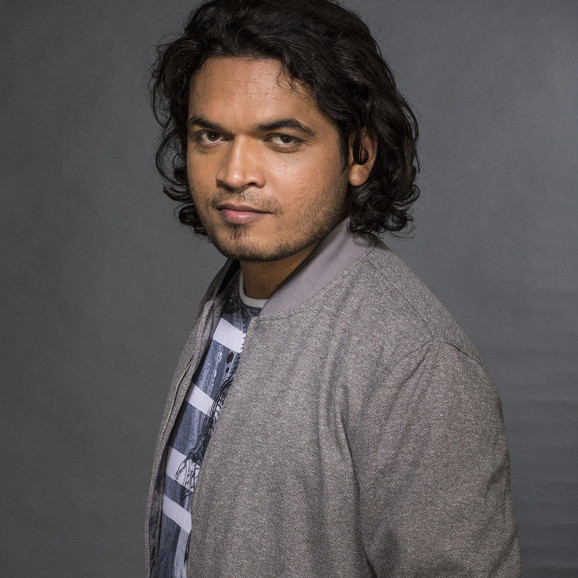
Modern Bollywood’s most enduring voices include Arijit Singh, whose emotive timbre anchors many contemporary romance-dramas; Shreya Ghoshal, Sunidhi Chauhan, and Neha Kakkar, who bring versatility across genres; and the rap- and pop-inflected trailblazers like Badshah and Honey Singh who expanded the vocabulary of Hindi film songs for the urban youth. Among composers, Pritam remains a touchstone for melodic, hook-driven film music, while Vishal–Shekhar and Amit Trivedi are celebrated for their textural experimentation and genre-crossing collaborations. These artists function as ambassadors both within India and to a global audience accustomed to Bollywood’s now-familiar soundscape.
Global reach
Modern Bollywood is popular in India first and foremost, but its reach extends far beyond. The United Kingdom, United States, Canada, the United Arab Emirates, Australia, and Singapore host large, music-loving Bollywood communities that drive streams, radio play, and live appearances. In recent years, streaming services and YouTube have accelerated the genre’s global footprint, helping soundtrack singles and film songs become entry points for curious listeners seeking a blend of melody, rhythm, and cinematic storytelling.
For enthusiasts, modern Bollywood offers a continuous conversation between tradition and innovation: timeless vocal lines wrapped in contemporary textures, cinematic storytelling anchored by global production, and a vibrant, evolving sonic vocabulary that keeps pace with the cinema it accompanies.
Origins and evolution
Filmi music has deep roots dating back to the 1930s, but “modern Bollywood” as a recognizable project began to crystallize in the 2000s. The period witnessed a wave of savvy producers and composers who could fuse catchy, radio-friendly melodies with contemporary production. Pritam’s Romantic-pop sensibilities (Jab We Met, Love Aaj Kal) and Vishal–Shekhar’s glossy, urban soundtracks (Om Shanti Om, Tashan) helped redefine the template. Amit Trivedi’s Dev.D (2009) pushed the boundaries further with indie-influenced textures, eclectic instrumentation, and a more experimental edge. A.R. Rahman’s global approach long predated this era, but his late-1990s through 2000s work—harmonizing melody with worldbeat and electronic color—paved the way for the current fusion aesthetic.
Sound and production
Modern Bollywood thrives on a hybrid palate. Expect shimmering melodic lines rooted in Indian raga and folk idioms, married to Western synths, heavy bass, and rhythmic programming drawn from hip-hop and EDM. Punjabi and bhangra influences frequently appear, delivering high-energy dancefloor tracks alongside intimate, orchestral ballads. The production often emphasizes polish and immediacy: punchy hooks, cinematic layering, and a proclivity for cross-genre collaborations that pair a traditional melody with a club-ready drop or a trap verse. The result is a soundtrack language that can swing from heartbreakingly lyrical to irresistibly catchy in a single sequence.
Ambassadors and key voices
Modern Bollywood’s most enduring voices include Arijit Singh, whose emotive timbre anchors many contemporary romance-dramas; Shreya Ghoshal, Sunidhi Chauhan, and Neha Kakkar, who bring versatility across genres; and the rap- and pop-inflected trailblazers like Badshah and Honey Singh who expanded the vocabulary of Hindi film songs for the urban youth. Among composers, Pritam remains a touchstone for melodic, hook-driven film music, while Vishal–Shekhar and Amit Trivedi are celebrated for their textural experimentation and genre-crossing collaborations. These artists function as ambassadors both within India and to a global audience accustomed to Bollywood’s now-familiar soundscape.
Global reach
Modern Bollywood is popular in India first and foremost, but its reach extends far beyond. The United Kingdom, United States, Canada, the United Arab Emirates, Australia, and Singapore host large, music-loving Bollywood communities that drive streams, radio play, and live appearances. In recent years, streaming services and YouTube have accelerated the genre’s global footprint, helping soundtrack singles and film songs become entry points for curious listeners seeking a blend of melody, rhythm, and cinematic storytelling.
For enthusiasts, modern Bollywood offers a continuous conversation between tradition and innovation: timeless vocal lines wrapped in contemporary textures, cinematic storytelling anchored by global production, and a vibrant, evolving sonic vocabulary that keeps pace with the cinema it accompanies.