Genre
modern j-rock
Top Modern j-rock Artists
Showing 25 of 31 artists

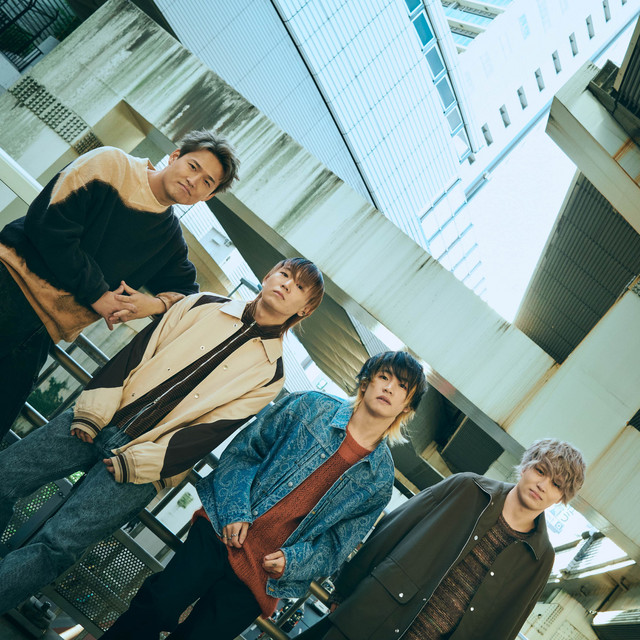

5

荒木一仁
12,709
86,366 listeners
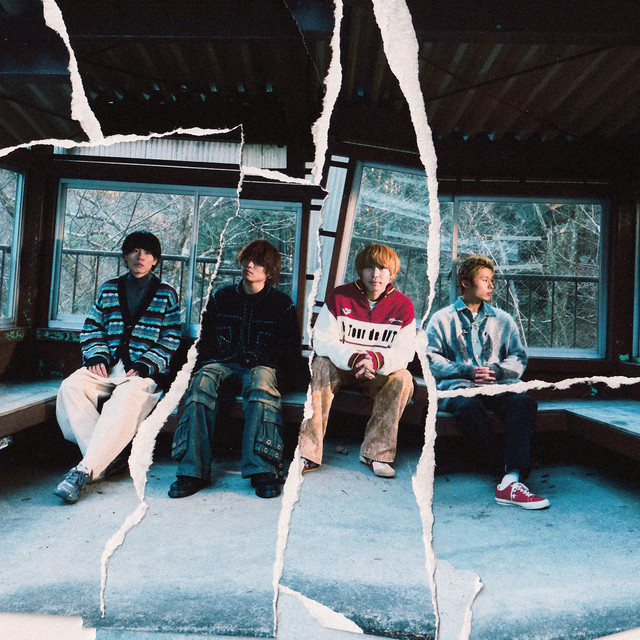
7

アンユースレス
Japan
6,553
43,110 listeners
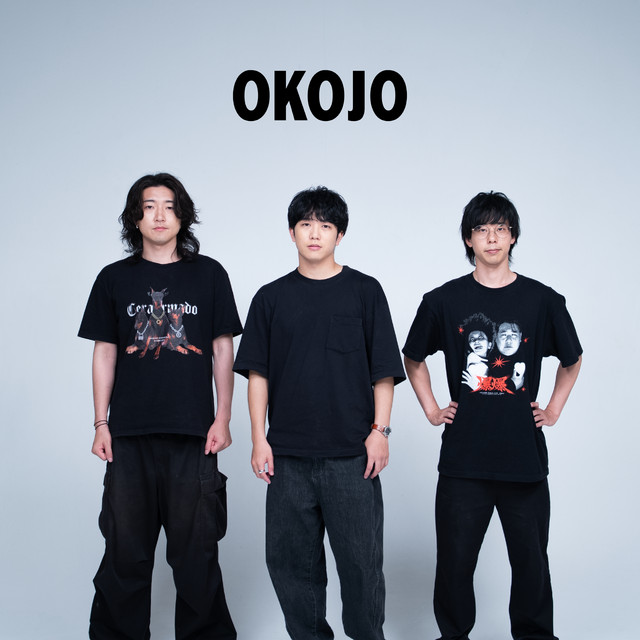
8
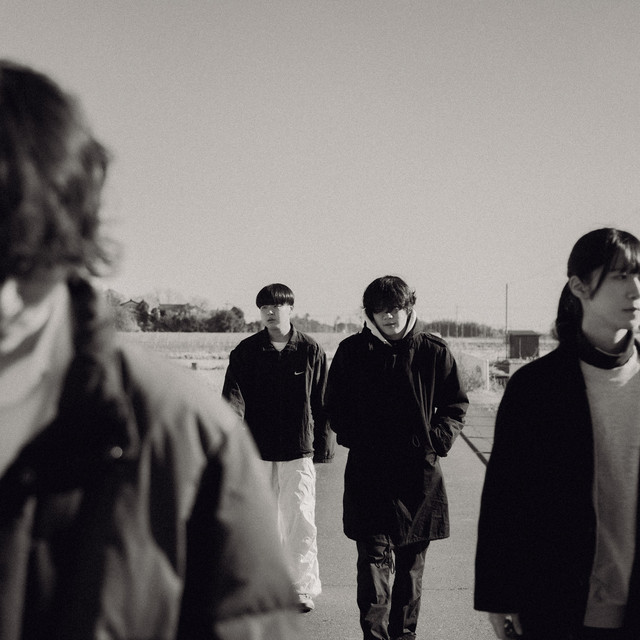
ルサンチマン
21,314
39,091 listeners
9
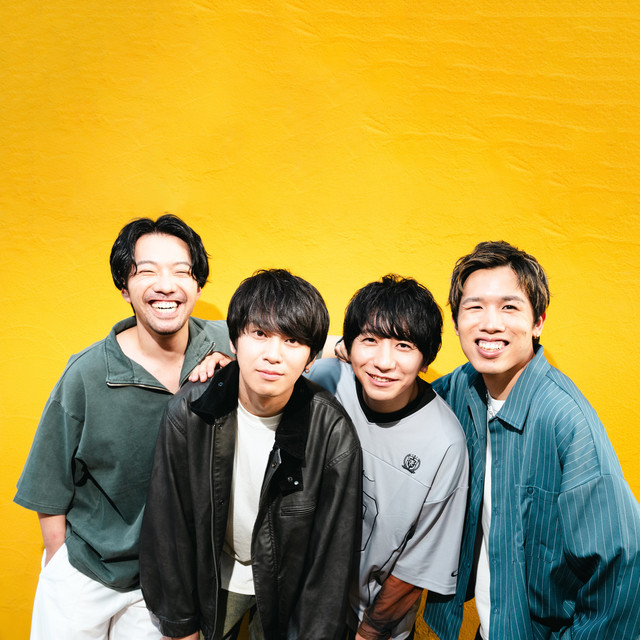
プッシュプルポット
22,103
31,522 listeners

11
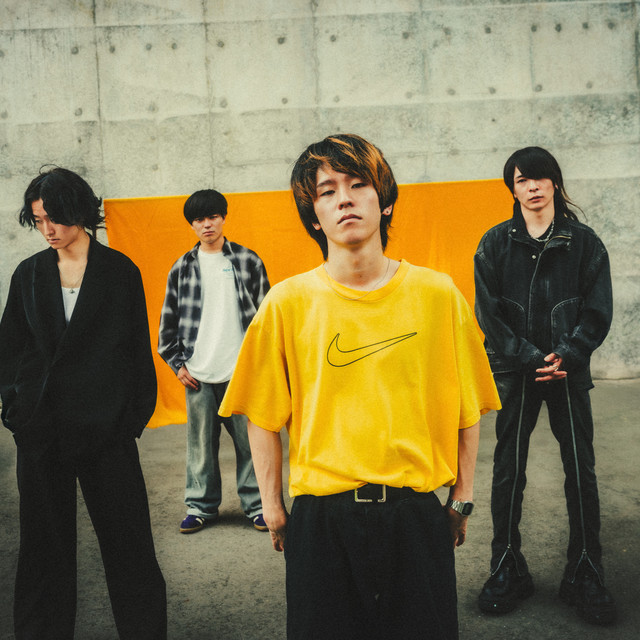
鉄風東京
17,824
20,335 listeners
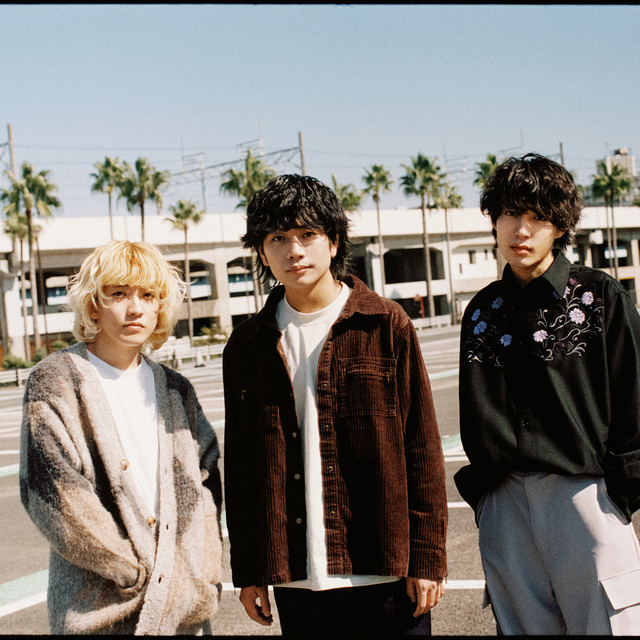
12
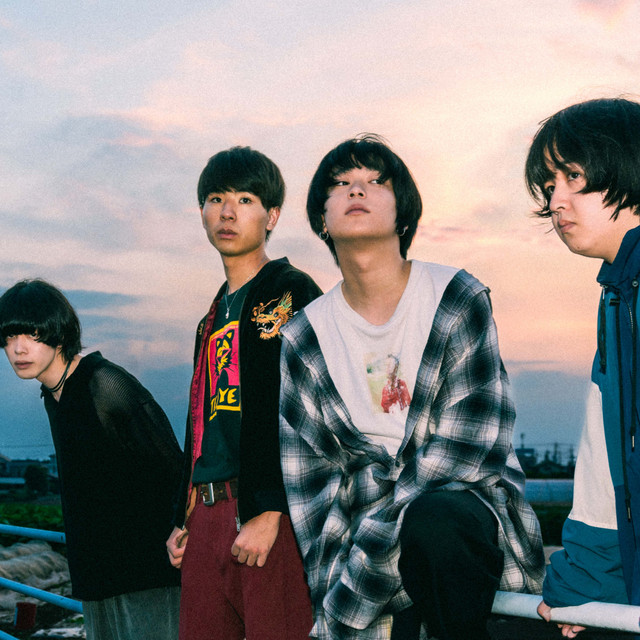
ペルシカリア
Japan
13,381
9,655 listeners
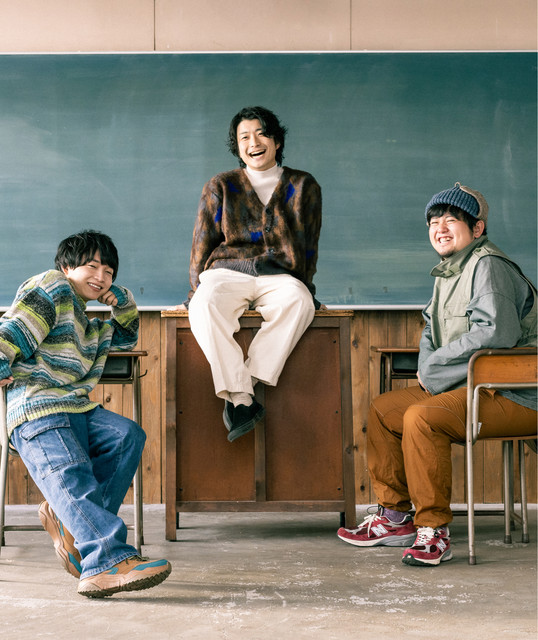


17
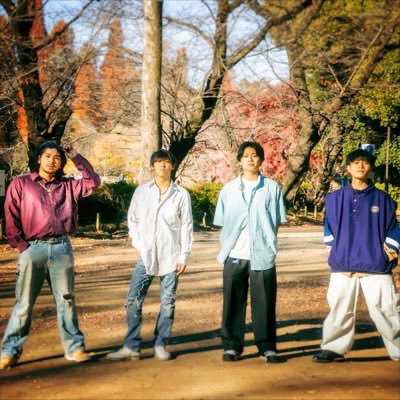
南無阿部陀仏
9,729
5,742 listeners
18
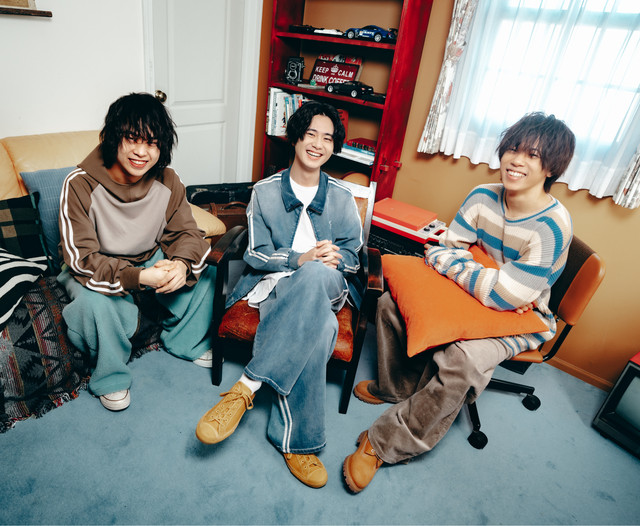
かたこと
Japan
5,318
5,394 listeners
20
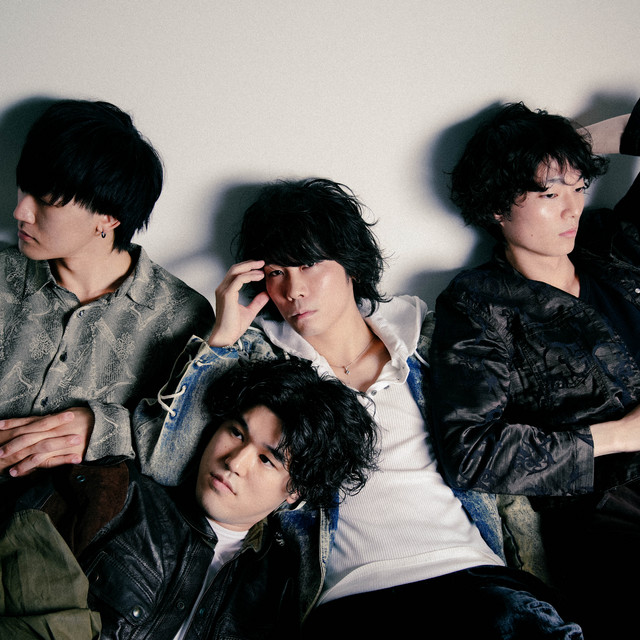
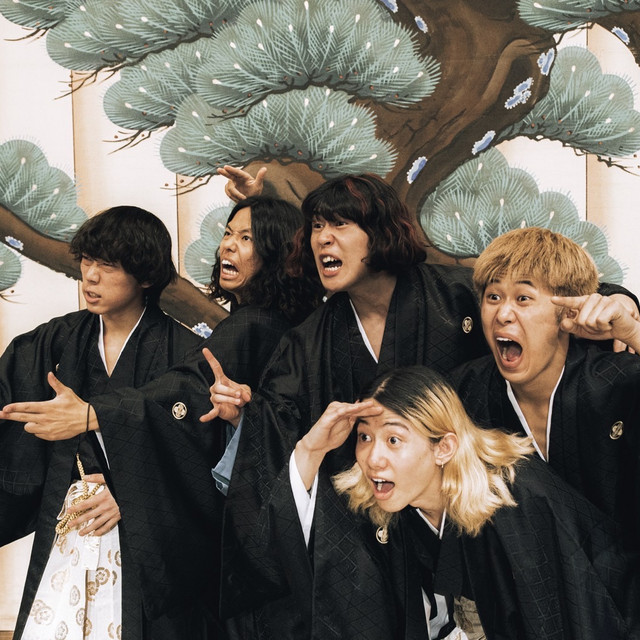
ヨイズ
Japan
4,564
5,047 listeners

22

アスノポラリス
Japan
3,908
2,452 listeners
23

いつかのネモフィラ
Japan
2,515
2,024 listeners
24
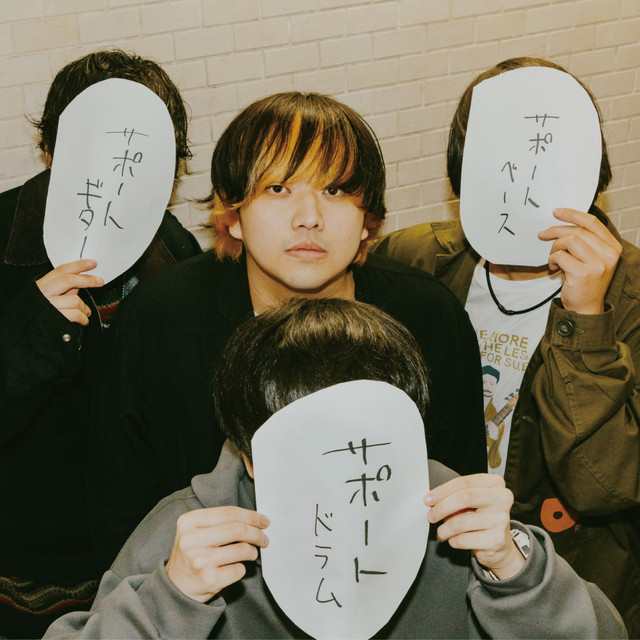
ニアフレンズ
2,041
1,089 listeners

About Modern j-rock
Modern J-rock is the contemporary heartbeat of Japan’s guitar-driven scene, a fusion of indie urgency, emo-driven melody, and post-hardcore edge wrapped in polished, radio-friendly production. It’s less a single sound than a family of approaches: hook-heavy anthems, introspective ballads, and ferocious, riff-laden bursts that push the genre beyond any single template. Born out of the late 1990s and early 2000s, it inherited the intensity of 90s Japanese rock while embracing global influences, internet distribution, and cross-genre collaborations that helped it travel far beyond Tokyo’s clubs.
The birth of modern J-rock can be traced to a shift that followed the Visual Kei era and the broader Japanese indie wave. Bands from the late 90s and early 2000s—often formed in university towns or indie scenes—began weaving tighter songcraft with louder guitars and bigger choruses. They drew from Western alternative rock, punk, and metal while keeping a distinctly Japanese sensibility: concise song lengths, emotionally direct lyrics, and a storytelling arc within a few minutes. By the time streaming and international tours became more feasible, a new generation had learned to balance authenticity with accessibility.
What characterizes modern J-rock today is its versatility. You’ll hear bright, jangly guitars driving pop-leaning songs, then sudden gear-shredding eruptions that tilt toward post-hardcore or metal. Many bands incorporate English phrases, which helps them connect with global audiences without sacrificing native nuance. Production tends to be crisp and dynamic, emphasizing clean vocal takes, tight rhythm sections, and memorable hooks that endure after the first chorus. It’s not unusual to encounter a band that shifts from delicate acoustic intros to explosive refrains in the same track, or to find a melodic ballad that suddenly detonates with a chorus of gang vocals.
Key artists and ambassadors have shaped modern J-rock’s international footprint. Asian Kung-Fu Generation, formed in 1996, became one of the era-defining acts with the Sol-fa era (2004), whose songs resonated with anime fans and indie listeners alike. One OK Rock, founded in 2005, bridged Japanese rock with Western audiences through English-influenced melodies and ambitious tours in the United States and Europe. Radwimps rose to global visibility with film soundtracks, notably Your Name, which showcased how cinematic storytelling can fuse with rock textures. Bump of Chicken and the Pillows (the latter dating back to the 1980s but still central in the modern conversation) have also provided enduring blueprints for melodic, emotionally charged rock. Dir En Grey and other heavier acts represent the spectrum within modern J-rock—from visceral scream to refined, expansive rock epics—showing the genre’s breadth.
Geographically, modern J-rock remains most popular in Japan and wider East Asia, with strong, passionate fans in Taiwan, Hong Kong, and Southeast Asian countries like the Philippines and Indonesia. In Europe and North America, it has found niche but devoted audiences—often amplified by anime tie-ins, streaming catalogs, and international tours. The genre’s global arc has only accelerated in the streaming era, enabling fans to discover bands via viral clips, live footage, and collaborative projects.
In short, modern J-rock is a dynamic, border-crossing movement: deeply rooted in Japanese musical culture, yet restless and exploratory enough to keep evolving, inviting new listeners while honoring the punch and poetry that long-time fans expect.
The birth of modern J-rock can be traced to a shift that followed the Visual Kei era and the broader Japanese indie wave. Bands from the late 90s and early 2000s—often formed in university towns or indie scenes—began weaving tighter songcraft with louder guitars and bigger choruses. They drew from Western alternative rock, punk, and metal while keeping a distinctly Japanese sensibility: concise song lengths, emotionally direct lyrics, and a storytelling arc within a few minutes. By the time streaming and international tours became more feasible, a new generation had learned to balance authenticity with accessibility.
What characterizes modern J-rock today is its versatility. You’ll hear bright, jangly guitars driving pop-leaning songs, then sudden gear-shredding eruptions that tilt toward post-hardcore or metal. Many bands incorporate English phrases, which helps them connect with global audiences without sacrificing native nuance. Production tends to be crisp and dynamic, emphasizing clean vocal takes, tight rhythm sections, and memorable hooks that endure after the first chorus. It’s not unusual to encounter a band that shifts from delicate acoustic intros to explosive refrains in the same track, or to find a melodic ballad that suddenly detonates with a chorus of gang vocals.
Key artists and ambassadors have shaped modern J-rock’s international footprint. Asian Kung-Fu Generation, formed in 1996, became one of the era-defining acts with the Sol-fa era (2004), whose songs resonated with anime fans and indie listeners alike. One OK Rock, founded in 2005, bridged Japanese rock with Western audiences through English-influenced melodies and ambitious tours in the United States and Europe. Radwimps rose to global visibility with film soundtracks, notably Your Name, which showcased how cinematic storytelling can fuse with rock textures. Bump of Chicken and the Pillows (the latter dating back to the 1980s but still central in the modern conversation) have also provided enduring blueprints for melodic, emotionally charged rock. Dir En Grey and other heavier acts represent the spectrum within modern J-rock—from visceral scream to refined, expansive rock epics—showing the genre’s breadth.
Geographically, modern J-rock remains most popular in Japan and wider East Asia, with strong, passionate fans in Taiwan, Hong Kong, and Southeast Asian countries like the Philippines and Indonesia. In Europe and North America, it has found niche but devoted audiences—often amplified by anime tie-ins, streaming catalogs, and international tours. The genre’s global arc has only accelerated in the streaming era, enabling fans to discover bands via viral clips, live footage, and collaborative projects.
In short, modern J-rock is a dynamic, border-crossing movement: deeply rooted in Japanese musical culture, yet restless and exploratory enough to keep evolving, inviting new listeners while honoring the punch and poetry that long-time fans expect.