Genre
moldovan pop
Top Moldovan pop Artists
Showing 25 of 38 artists












About Moldovan pop
Moldovan pop is the sound of a small but ambitious music scene that grew in the post-Soviet era and found a distinct identity in the 2000s and beyond. It blends euro-dance energy, glossy pop production, and catchy melodies with hints of Moldovan folk and Romanian-language flair. The result is radio-friendly, emotionally direct pop songs that can swing from club-ready hooks to lilting ballads, all while carrying a sense of regional character that sets it apart from neighboring markets.
Origins and evolution: After Moldova declared independence in 1991, local pop music absorbed a mix of Romanian popular culture, Western dance-pop, and lingering Eastern European influences. The late 1990s and early 2000s saw a surge of acts producing polished singles aimed at both domestic radio and regional playlists in Romania. Over time, Moldovan pop developed its own shorthand: bilingual or Romanian-language songs, production that favors bright synths and stomping dance beats, and a willingness to fuse folk motifs with modern pop textures. The scene is driven by a steady stream of acts spanning solo vocalists, pop-rock bands, and ensemble groups, all anchored by Chișinău as the urban hub.
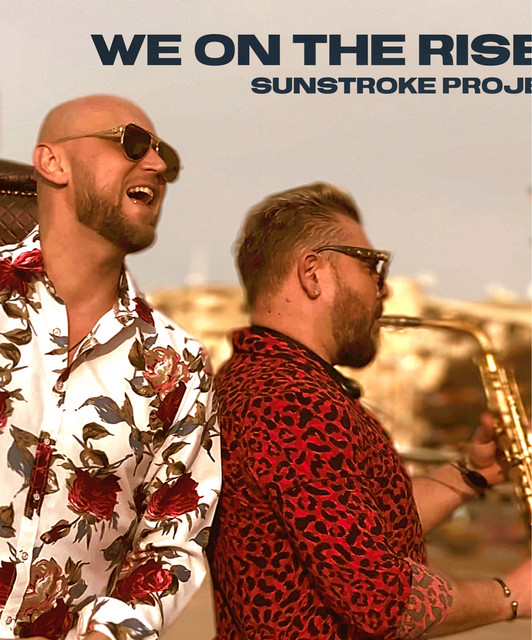
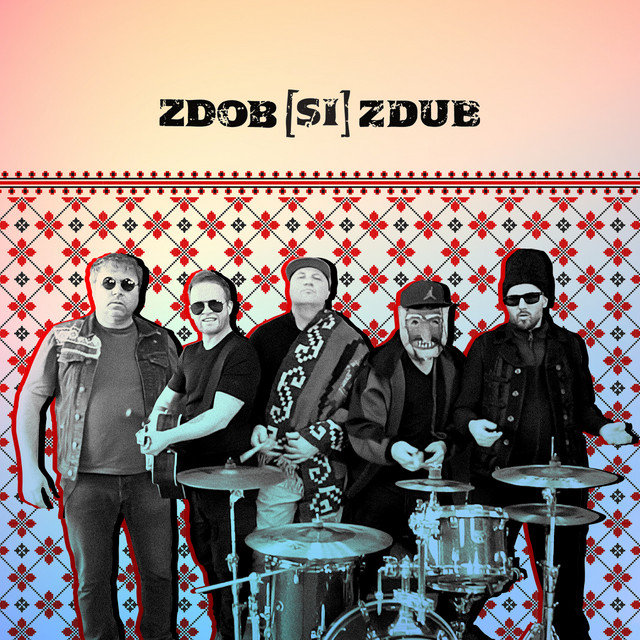
Ambassadors and key artists: Moldova’s pop ecosystem has produced a number of acts that function as ambassadors beyond the borders of the country. Zdob și Zdub, formed in Chișinău in the mid-1990s, became one of the region’s best-known crossover acts by marrying punk energy with traditional Moldovan motifs and later representing Moldova at Eurovision in 2005 with Boonika Bate Doba. Natalia Gordienko has been a mainstay of Moldovan pop since the 2000s, delivering high-gloss dance-pop and serving as a staple of national pop culture; she represented Moldova at Eurovision in 2006 with Loca. SunStroke Project, a veteran group famous for their instrumental and vocal work and the now iconic “Epic Sax Guy” moment, brought Moldova to wider European ears via Eurovision in 2010 with Running Scared. DoReDoS, a vocal harmony ensemble, represented Moldova in Eurovision 2018 with My Lucky Day, reaffirming the country’s knack for polished, charming pop. Carla’s Dreams, a masked modern-pop act, has become one of Moldova’s biggest contemporary names in the 2010s and 2020s, appealing to younger audiences with a genre-blending approach. Lidia Isac, who performed Falling Stars at Eurovision 2016, also helped put Moldovan pop on international stages.
Geographic reach and appeal: Moldovan pop is most deeply rooted in Moldova itself and in Romania, where language and shared cultural ties help cross-pollinate audiences. It also finds listeners in neighboring markets with Romanian-speaking communities and among the Moldovan diaspora across Europe and North America. In contemporary radio, streaming, and festival circuits, Moldovan pop acts frequently collaborate with Romanian producers and perform at regional events, continuing a pattern of cross-border cultural exchange that has become characteristic of the genre.
In short, Moldovan pop embodies a contemporary Eastern European pop identity: catchy, polished, locally rooted yet globally accessible, with Eurovision and cross-border collaborations acting as its most visible ambassadors. For enthusiasts, it offers a steady supply of vibrant melodies, inventive fusions, and a sense of Moldova’s growing cultural confidence.
Origins and evolution: After Moldova declared independence in 1991, local pop music absorbed a mix of Romanian popular culture, Western dance-pop, and lingering Eastern European influences. The late 1990s and early 2000s saw a surge of acts producing polished singles aimed at both domestic radio and regional playlists in Romania. Over time, Moldovan pop developed its own shorthand: bilingual or Romanian-language songs, production that favors bright synths and stomping dance beats, and a willingness to fuse folk motifs with modern pop textures. The scene is driven by a steady stream of acts spanning solo vocalists, pop-rock bands, and ensemble groups, all anchored by Chișinău as the urban hub.
Ambassadors and key artists: Moldova’s pop ecosystem has produced a number of acts that function as ambassadors beyond the borders of the country. Zdob și Zdub, formed in Chișinău in the mid-1990s, became one of the region’s best-known crossover acts by marrying punk energy with traditional Moldovan motifs and later representing Moldova at Eurovision in 2005 with Boonika Bate Doba. Natalia Gordienko has been a mainstay of Moldovan pop since the 2000s, delivering high-gloss dance-pop and serving as a staple of national pop culture; she represented Moldova at Eurovision in 2006 with Loca. SunStroke Project, a veteran group famous for their instrumental and vocal work and the now iconic “Epic Sax Guy” moment, brought Moldova to wider European ears via Eurovision in 2010 with Running Scared. DoReDoS, a vocal harmony ensemble, represented Moldova in Eurovision 2018 with My Lucky Day, reaffirming the country’s knack for polished, charming pop. Carla’s Dreams, a masked modern-pop act, has become one of Moldova’s biggest contemporary names in the 2010s and 2020s, appealing to younger audiences with a genre-blending approach. Lidia Isac, who performed Falling Stars at Eurovision 2016, also helped put Moldovan pop on international stages.
Geographic reach and appeal: Moldovan pop is most deeply rooted in Moldova itself and in Romania, where language and shared cultural ties help cross-pollinate audiences. It also finds listeners in neighboring markets with Romanian-speaking communities and among the Moldovan diaspora across Europe and North America. In contemporary radio, streaming, and festival circuits, Moldovan pop acts frequently collaborate with Romanian producers and perform at regional events, continuing a pattern of cross-border cultural exchange that has become characteristic of the genre.
In short, Moldovan pop embodies a contemporary Eastern European pop identity: catchy, polished, locally rooted yet globally accessible, with Eurovision and cross-border collaborations acting as its most visible ambassadors. For enthusiasts, it offers a steady supply of vibrant melodies, inventive fusions, and a sense of Moldova’s growing cultural confidence.