Genre
mollywood
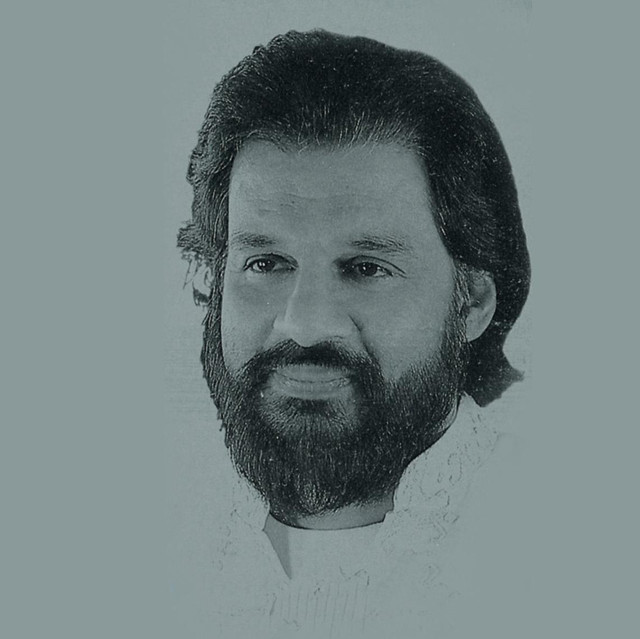
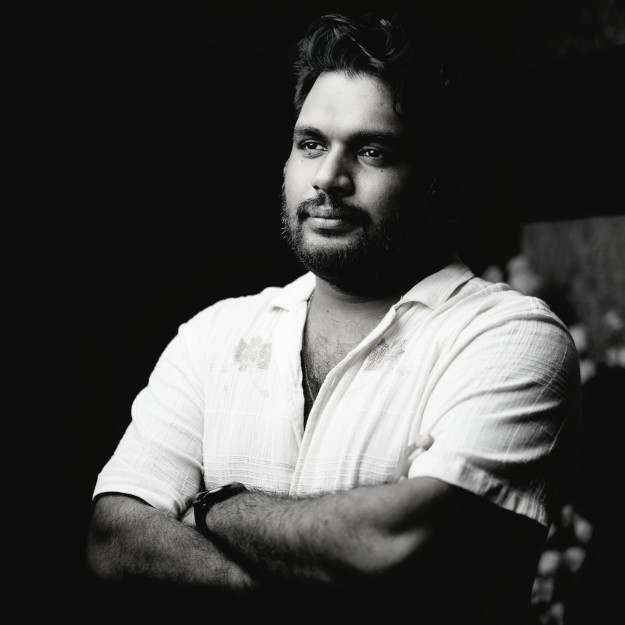
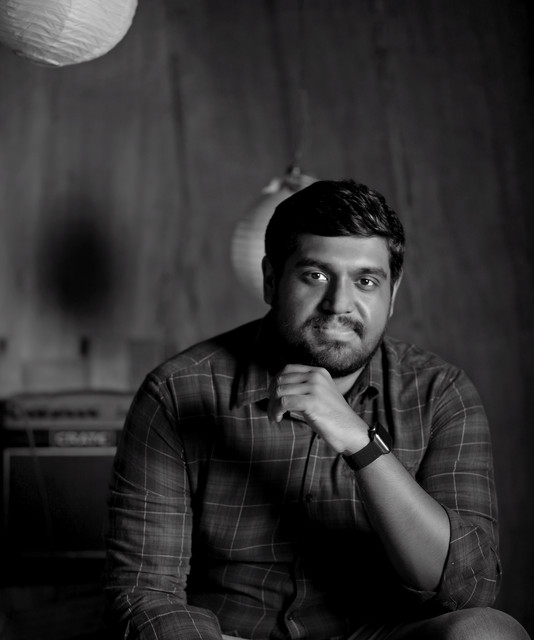
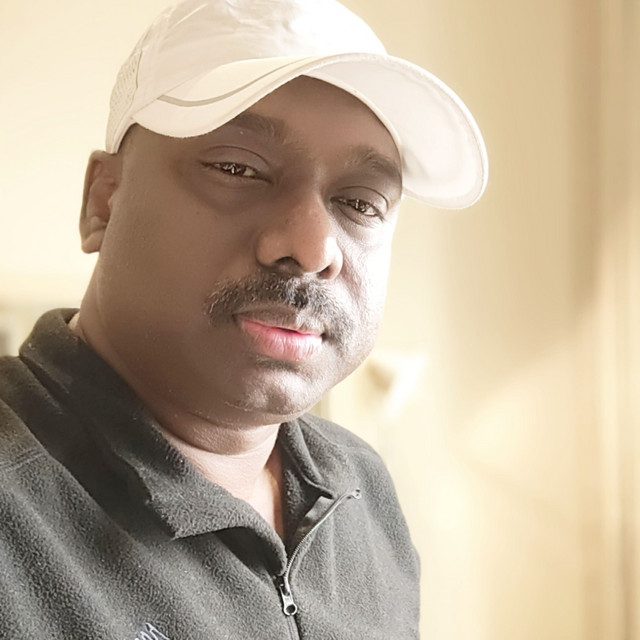
Top Mollywood Artists
Showing 25 of 1,117 artists









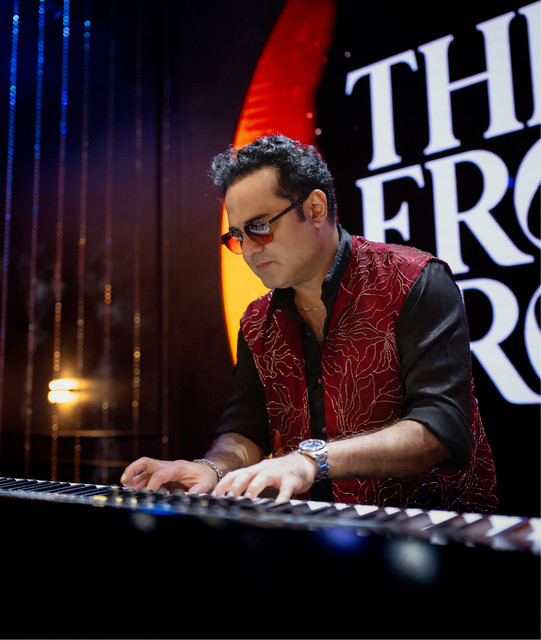
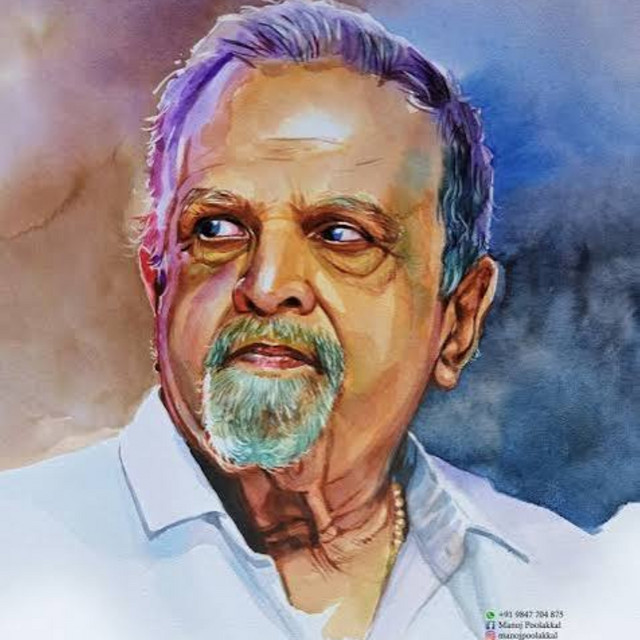
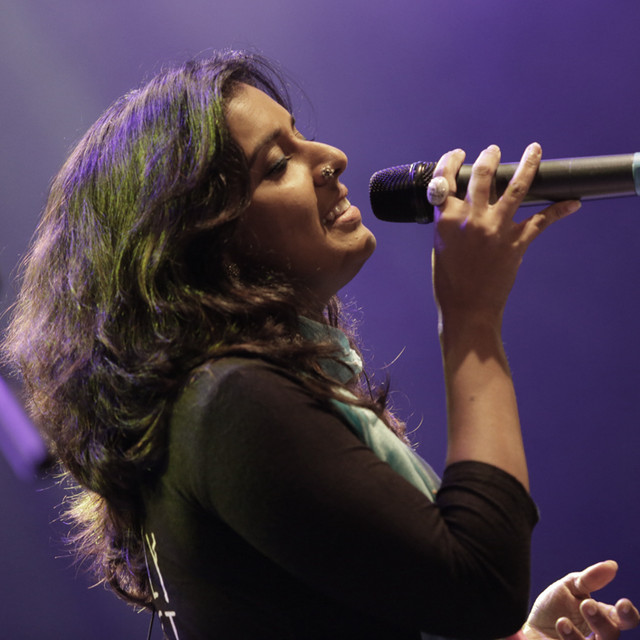
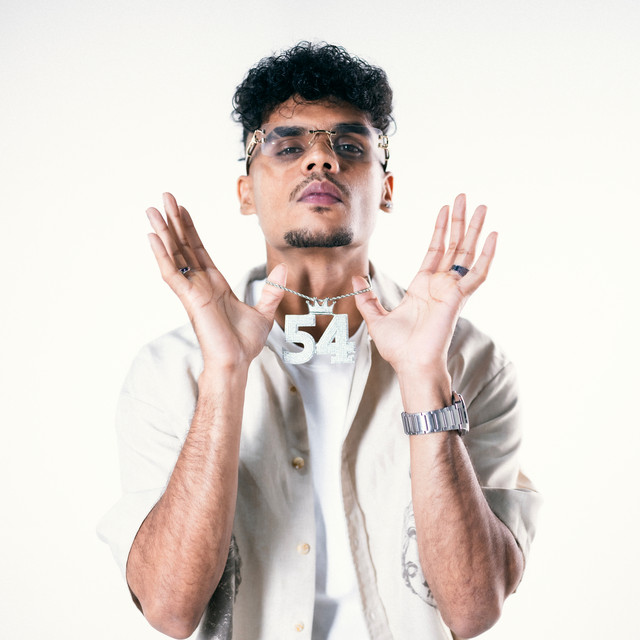
About Mollywood
Mollywood is an emerging, cross-cultural music genre that takes its name from the Malayalam film industry and maps a sonic territory where cinema’s grand orchestration meets street-level club culture. Born in the late 2010s to early 2020s, Mollywood grew from informal collaborations between independent producers in Kerala’s coastal cities, diaspora artists in the Gulf and Europe, and producers in India’s major electronic hubs. It arose at a moment when streaming platforms lowered the barrier for global collaborations, allowing a Malayalam-flavored sound to spill beyond the cinema house into the club, the soundtrack, and the listening room.
Musically, Mollywood sits at a juncture of melody-driven film music and contemporary urban genres. Its core palette blends Carnatic and Hindustani melodic sensibilities with Western synth textures, hip-hop rhythms, and Afrobeat-inspired grooves. Expect lush string pads and cinematic chord progressions threaded through tight 808-based basslines, punchy kick drums, and modular synth hooks. The genre often sets its mood with evocative, emotional melodies that recall song-and-dance numbers from classic Malayalam cinema, then harnesses modern processing—side-chain, reverb-drenched ambiences, or glitchy percussion—to place the same ideas in a nocturnal, dancefloor-ready frame. Lyrically, Mollywood frequently traverses themes of longing, diaspora, memory, and urban resilience, sometimes in Malayalam, sometimes in multiple languages, reflecting the genre’s transnational roots.
The world of Mollywood thrives on collaboration. Producers work with singers who can glide between classical ornamentation and contemporary rap cadences; engineers experiment with hybrid mixes that keep orchestral sweep intact while delivering club-friendly energy. The result is tracks that feel large enough to support a cinematic build yet intimate enough to function as a personal, late-night listen. The genre also embraces sound design that nudges listeners toward scenic, almost cinematic listening experiences—think a phased violin line, a sitar-inspired motif, or a spoken-word bridge that acts as a micro-film’s moment of reflection.
In terms of geography, Mollywood found its strongest footholds in India’s southern states, where Malayalam cinema provides a cultural touchstone, and in Gulf countries with large Malayalam-speaking communities. Beyond South Asia, it gained traction in diaspora markets—Singapore, Malaysia, the United Arab Emirates, and parts of Europe and North America—where listeners respond to the blend of lyrical storytelling and club-friendly production. Its ambassadors are artists who can write a song that feels like a festival in a movie theater yet function as a playlist staple. Leaders and their cohorts act as curators, bridging cinema composers and urban producers, and they frequently collaborate with filmmakers to craft soundtracks that stand alone as records while enriching visual storytelling.
A good entry point into Mollywood is to listen for the connective tissue: a melodic line that could belong to a raga or a Bollywood tune, a bass feel borrowed from a late-night club, and an arrangement that breathes like a score—crescendo, breath, and release, all within a single track. For enthusiasts, Mollywood offers a language of cinematic emotion reframed for the street, a genre that feels both intimate and cinematic, personal and panoramic.
Musically, Mollywood sits at a juncture of melody-driven film music and contemporary urban genres. Its core palette blends Carnatic and Hindustani melodic sensibilities with Western synth textures, hip-hop rhythms, and Afrobeat-inspired grooves. Expect lush string pads and cinematic chord progressions threaded through tight 808-based basslines, punchy kick drums, and modular synth hooks. The genre often sets its mood with evocative, emotional melodies that recall song-and-dance numbers from classic Malayalam cinema, then harnesses modern processing—side-chain, reverb-drenched ambiences, or glitchy percussion—to place the same ideas in a nocturnal, dancefloor-ready frame. Lyrically, Mollywood frequently traverses themes of longing, diaspora, memory, and urban resilience, sometimes in Malayalam, sometimes in multiple languages, reflecting the genre’s transnational roots.
The world of Mollywood thrives on collaboration. Producers work with singers who can glide between classical ornamentation and contemporary rap cadences; engineers experiment with hybrid mixes that keep orchestral sweep intact while delivering club-friendly energy. The result is tracks that feel large enough to support a cinematic build yet intimate enough to function as a personal, late-night listen. The genre also embraces sound design that nudges listeners toward scenic, almost cinematic listening experiences—think a phased violin line, a sitar-inspired motif, or a spoken-word bridge that acts as a micro-film’s moment of reflection.
In terms of geography, Mollywood found its strongest footholds in India’s southern states, where Malayalam cinema provides a cultural touchstone, and in Gulf countries with large Malayalam-speaking communities. Beyond South Asia, it gained traction in diaspora markets—Singapore, Malaysia, the United Arab Emirates, and parts of Europe and North America—where listeners respond to the blend of lyrical storytelling and club-friendly production. Its ambassadors are artists who can write a song that feels like a festival in a movie theater yet function as a playlist staple. Leaders and their cohorts act as curators, bridging cinema composers and urban producers, and they frequently collaborate with filmmakers to craft soundtracks that stand alone as records while enriching visual storytelling.
A good entry point into Mollywood is to listen for the connective tissue: a melodic line that could belong to a raga or a Bollywood tune, a bass feel borrowed from a late-night club, and an arrangement that breathes like a score—crescendo, breath, and release, all within a single track. For enthusiasts, Mollywood offers a language of cinematic emotion reframed for the street, a genre that feels both intimate and cinematic, personal and panoramic.