Genre
mongolian folk
Top Mongolian folk Artists
Showing 25 of 40 artists


5

天草之間遊牧樂團
180
610 listeners

About Mongolian folk
Mongolian folk is a living, expansive tradition that rises from the vast steppe where horses know the wind and families sing to keep memory and meaning alive. It’s not a single sound but a family of practices that includes epic storytelling, intimate lullabies, panoramic landscape songs, and daring vocal techniques. At its core are three pillars: the haunting leaps of throat singing (khöömei), the monumental long song (urtyn duu), and the resonant timbre of traditional instruments such as the morin khuur (horsehead fiddle) and the topshuur lute.
Origins and character. The roots of Mongolian folk stretch back to centuries of nomadic life, shamanic ritual, and courtly song. Over time, singers shaped long, winding melodies that describe mountains, rivers, and migrations, and instrumentalists refined the morin khuur into a symbol of national identity. The technique of throat singing—producing multiple overtones from a single voice—became one of the genre’s most striking signatures, capable of suggesting both the vastness of the steppe and intimate moments by a campfire. Traditional songs often function as living chronicles, passing down clan histories, weather lore, and heroic deeds from generation to generation.
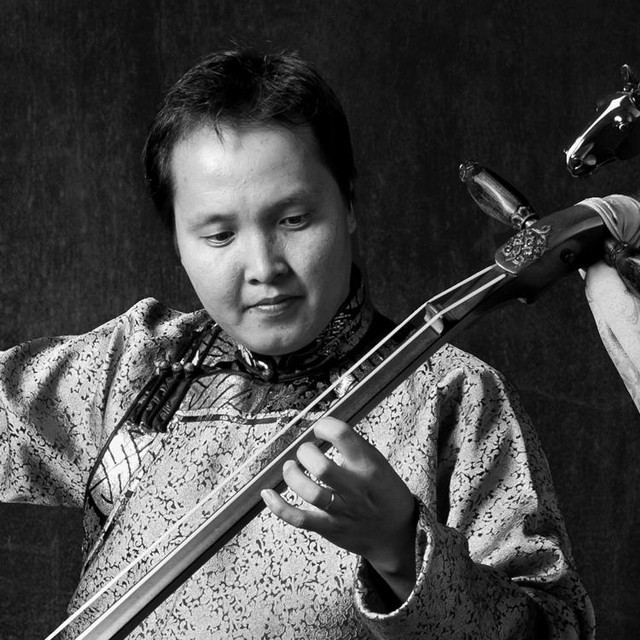
Instruments and forms. The morin khuur is a two-string bowed fiddle whose carved horse-head ornament reflects Mongolia’s deep bond with horses. Its rich, singing tone can carry melodies across open spaces and through crowded city halls alike. The topshuur (a long-necked lute) and the tsuur (shepherd’s flute) accompany singers with a lean, direct timbre. Urtyn duu, a staple form, can unfold over many minutes with lyrical poetry and vivid imagery, while khoomei-based pieces showcase a vocal realism that can feel both ancient and immediate.
Ambassadors and key artists. Mongolian folk has gained global attention through a range of acts, from traditional ensembles to crossover bands. Egschiglen, formed in the 1990s, has become a benchmark for preserving and presenting traditional Mongolian songs with authenticity and warmth. Khusugtun, a quartet known for its throat singing and morin khuur, has toured worldwide and helped popularize the intimate, vocal-driven side of the genre. Altan Urag blends folk melodies with contemporary textures, using traditional instruments to craft music that still feels unmistakably Mongolian. The Hu, a contemporary band that fuses throat singing and metal, emerged as one of the most visible ambassadors of Mongolian folk on the world stage in the late 2010s, drawing audiences who might never have sought traditional Mongolian music but discovered it through their energetic sound. Across these artists, the stream of Mongolian folk remains deeply rooted in tradition while branching into modern forms.
Global footprint. Mongolia remains the primary home and audience for Mongolian folk, but its influence extends to Inner Mongolia (China) and to Russia’s Buryatia and Tuva regions, where similar vocal techniques and instrumental sensibilities flourish. Diaspora communities in Europe and North America have embraced the genre, often seeking both preservation and innovation. For enthusiasts, Mongolian folk offers a bridge between landscapes and voices—an invitation to hear the steppe’s weather in a whisper or a gale, and to imagine a culture where music is inseparable from daily life, history, and the continual movement of people across vast plains.
Origins and character. The roots of Mongolian folk stretch back to centuries of nomadic life, shamanic ritual, and courtly song. Over time, singers shaped long, winding melodies that describe mountains, rivers, and migrations, and instrumentalists refined the morin khuur into a symbol of national identity. The technique of throat singing—producing multiple overtones from a single voice—became one of the genre’s most striking signatures, capable of suggesting both the vastness of the steppe and intimate moments by a campfire. Traditional songs often function as living chronicles, passing down clan histories, weather lore, and heroic deeds from generation to generation.
Instruments and forms. The morin khuur is a two-string bowed fiddle whose carved horse-head ornament reflects Mongolia’s deep bond with horses. Its rich, singing tone can carry melodies across open spaces and through crowded city halls alike. The topshuur (a long-necked lute) and the tsuur (shepherd’s flute) accompany singers with a lean, direct timbre. Urtyn duu, a staple form, can unfold over many minutes with lyrical poetry and vivid imagery, while khoomei-based pieces showcase a vocal realism that can feel both ancient and immediate.
Ambassadors and key artists. Mongolian folk has gained global attention through a range of acts, from traditional ensembles to crossover bands. Egschiglen, formed in the 1990s, has become a benchmark for preserving and presenting traditional Mongolian songs with authenticity and warmth. Khusugtun, a quartet known for its throat singing and morin khuur, has toured worldwide and helped popularize the intimate, vocal-driven side of the genre. Altan Urag blends folk melodies with contemporary textures, using traditional instruments to craft music that still feels unmistakably Mongolian. The Hu, a contemporary band that fuses throat singing and metal, emerged as one of the most visible ambassadors of Mongolian folk on the world stage in the late 2010s, drawing audiences who might never have sought traditional Mongolian music but discovered it through their energetic sound. Across these artists, the stream of Mongolian folk remains deeply rooted in tradition while branching into modern forms.
Global footprint. Mongolia remains the primary home and audience for Mongolian folk, but its influence extends to Inner Mongolia (China) and to Russia’s Buryatia and Tuva regions, where similar vocal techniques and instrumental sensibilities flourish. Diaspora communities in Europe and North America have embraced the genre, often seeking both preservation and innovation. For enthusiasts, Mongolian folk offers a bridge between landscapes and voices—an invitation to hear the steppe’s weather in a whisper or a gale, and to imagine a culture where music is inseparable from daily life, history, and the continual movement of people across vast plains.