Genre
moog
Top Moog Artists
Showing 15 of 15 artists






About Moog
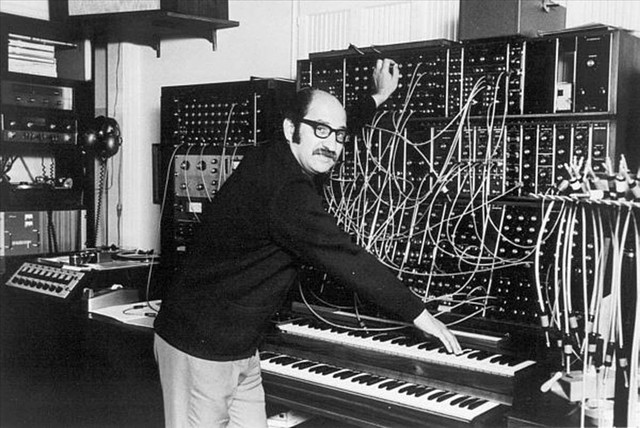
Moog is less a rigid genre than a sonic lineage built around the distinctive voice of Moog synthesizers. It denotes music that embraces the warm, buzzing, sometimes glassy glow of analog subtractive synthesis, delivered through the iconic Moog instruments that helped redefine what a keyboard could sound like. When people talk about a “Moog vibe,” they’re often thinking of thick basses, expressive filter sweeps, legato glides, metallic peels of resonance, and a space-age sense of timbre that can range from intimate and creamy to laser-bright and crystalline.
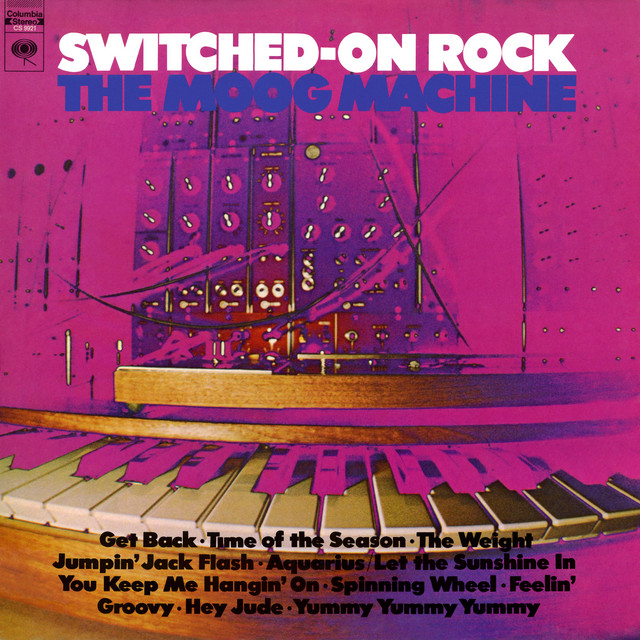
The Moog story begins in the 1960s with Robert Moog’s modular and commercially marketed synthesizers, which introduced voltage-controlled oscillators, filters, envelopes, and modulators in a way that musicians could sculpt sound in real time. The breakthrough moment for many listeners came with Wendy Carlos’s Switched-On Bach (1968), a landmark album that showcased how a Moog could render complex classical lines with precision and warmth, popularizing electronic timbres far beyond avant-garde circles. The era that followed saw the rise of the Minimoog (Model D) in 1970, a compact, portable, and accessible monophonic instrument whose gritty, powerful lead and bass tones became instantly recognizable. Its immediacy helped seed a generation of synthesists who would layer Moog tones over rock, pop, and experimental compositions.
If you look at the pantheon of Moog-adjacent artists, you’ll encounter a mix of keyboard virtuosi, prog rock pioneers, and electronic composers who exploited the instrument’s immediacy and expressive potential. Key ambassadors include Keith Emerson of Emerson, Lake & Palmer, who used Moog to forge aggressive, bombastic lines in a rock context; Klaus Schulze and the Berlin School pioneers who explored long-form, evolving textures; Tangerine Dream with their shimmering, outdoor soundscapes; Jean-Michel Jarre’s panoramic, synth-driven anthems; and Vangelis, whose cinematic use of Moog helped define the soundtracks of a generation. Giorgio Moroder’s electronic disco, Kraftwerk’s robotic minimalism, and a host of Japanese and European artists further cemented Moog’s appeal across genres.
Geographically, Moog’s influence has been strongest in the United States, the United Kingdom, Germany, and France, with deep roots in Japan’s synth-centered scene as well. The American late-60s/70s scene anchored by progressive rock and experimental labs, the German embrace of the “Krautrock” and Berlin School aesthetics, and the French and British pop-electronic heritages all contributed to a global Moog culture. In contemporary years, Moog-inspired aesthetics have permeated almost every corner of electronic music—from ambient and post-rock to techno and synthwave—while the brand itself remains a byword for analog warmth and tactile sound design.
Today the Moog sound endures through modern instrument lines—the Voyager, Slim, and other Moog keyboards—and a revived interest in analog gear. Yet its essence remains the same: a capacious, tactile invitation to sculpt, bend, and breathe life into sound. For enthusiasts, a Moog session is about chasing that initial thrill—the moment when a filter sweeps and a bass line locks in with the rhythm section, yielding a sound that feels both vintage and timeless, human and otherworldly.
The Moog story begins in the 1960s with Robert Moog’s modular and commercially marketed synthesizers, which introduced voltage-controlled oscillators, filters, envelopes, and modulators in a way that musicians could sculpt sound in real time. The breakthrough moment for many listeners came with Wendy Carlos’s Switched-On Bach (1968), a landmark album that showcased how a Moog could render complex classical lines with precision and warmth, popularizing electronic timbres far beyond avant-garde circles. The era that followed saw the rise of the Minimoog (Model D) in 1970, a compact, portable, and accessible monophonic instrument whose gritty, powerful lead and bass tones became instantly recognizable. Its immediacy helped seed a generation of synthesists who would layer Moog tones over rock, pop, and experimental compositions.
If you look at the pantheon of Moog-adjacent artists, you’ll encounter a mix of keyboard virtuosi, prog rock pioneers, and electronic composers who exploited the instrument’s immediacy and expressive potential. Key ambassadors include Keith Emerson of Emerson, Lake & Palmer, who used Moog to forge aggressive, bombastic lines in a rock context; Klaus Schulze and the Berlin School pioneers who explored long-form, evolving textures; Tangerine Dream with their shimmering, outdoor soundscapes; Jean-Michel Jarre’s panoramic, synth-driven anthems; and Vangelis, whose cinematic use of Moog helped define the soundtracks of a generation. Giorgio Moroder’s electronic disco, Kraftwerk’s robotic minimalism, and a host of Japanese and European artists further cemented Moog’s appeal across genres.
Geographically, Moog’s influence has been strongest in the United States, the United Kingdom, Germany, and France, with deep roots in Japan’s synth-centered scene as well. The American late-60s/70s scene anchored by progressive rock and experimental labs, the German embrace of the “Krautrock” and Berlin School aesthetics, and the French and British pop-electronic heritages all contributed to a global Moog culture. In contemporary years, Moog-inspired aesthetics have permeated almost every corner of electronic music—from ambient and post-rock to techno and synthwave—while the brand itself remains a byword for analog warmth and tactile sound design.
Today the Moog sound endures through modern instrument lines—the Voyager, Slim, and other Moog keyboards—and a revived interest in analog gear. Yet its essence remains the same: a capacious, tactile invitation to sculpt, bend, and breathe life into sound. For enthusiasts, a Moog session is about chasing that initial thrill—the moment when a filter sweeps and a bass line locks in with the rhythm section, yielding a sound that feels both vintage and timeless, human and otherworldly.