Genre
moroccan chaabi
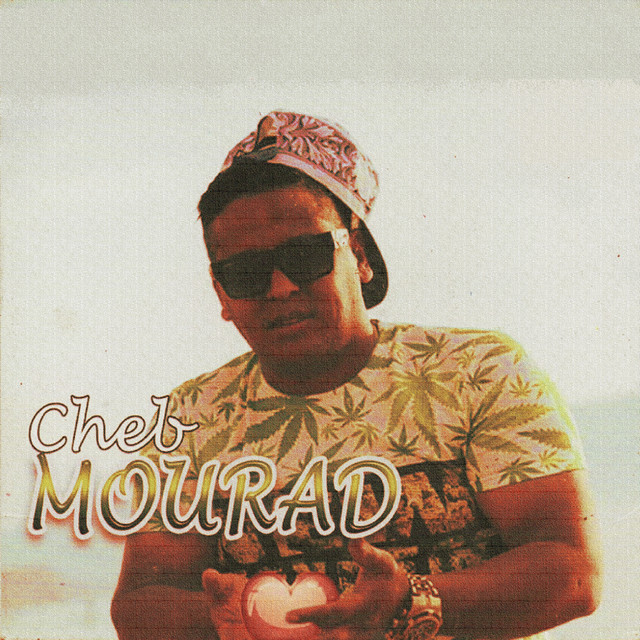
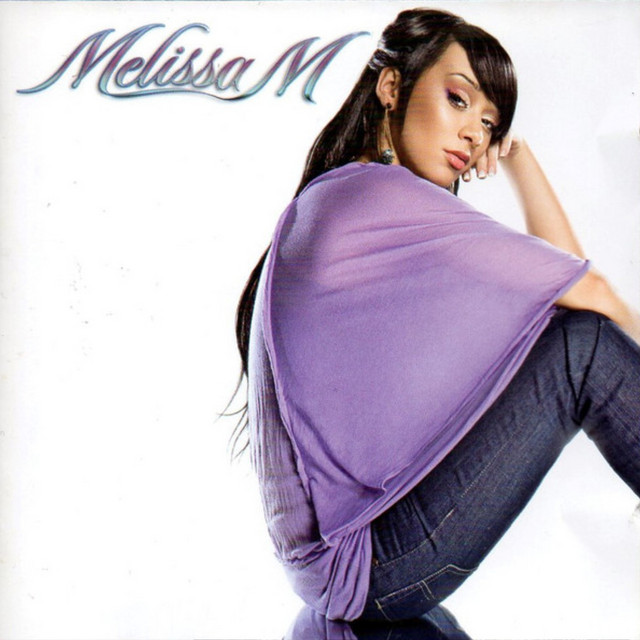
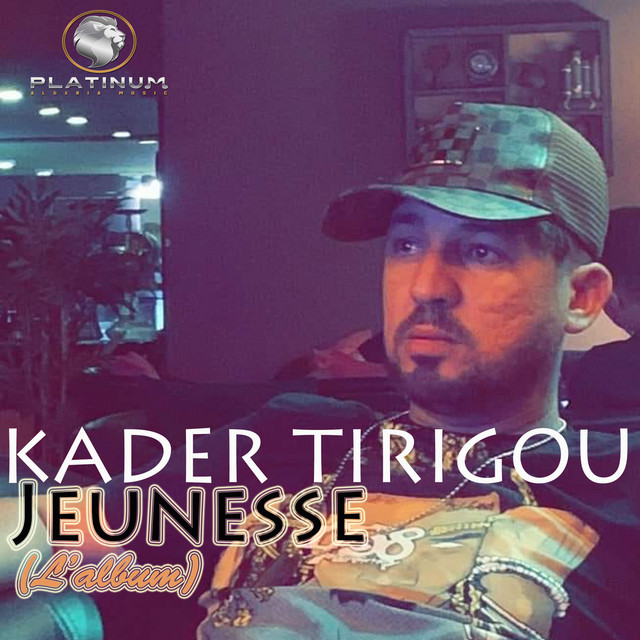
Top Moroccan chaabi Artists
Showing 25 of 473 artists









About Moroccan chaabi
Moroccan chaabi is the heartbeat of Morocco’s urban soundscape, a living, breathing form of popular music that grew out of everyday life and the social clubs where people gathered to sing, dance, and tell their stories. Its name literally means “popular” or “of the people,” and that spirit is the genre’s most defining trait: songs that speak in Darija, about love, work, pride, and resilience, delivered with a communal, call-and-response feel that invites participation. Chaabi isn’t a single stage style so much as a family of related forms that emerged in the cities and neighborhoods of Casablanca, Rabat, Marrakech and beyond, reflecting the country’s diverse textures while staying rooted in shared tastes and rhythms.
The origins of Moroccan chaabi trace to the early- to mid-20th century, when street musicians, market singers, and wedding bands fused traditional Arab-Andalusian elements with local folk, gnawa-inflected rhythms, and the raw energy of urban nightlife. Over the decades, chaabi absorbed new instruments and technology—electric guitars, keyboards, electronic percussion—without losing its core focus on an expressive lead voice anchored by a danceable groove. Independence in the 1950s and the subsequent rise of radio, cassette culture, and mass media helped standardize a repertoire and codify a sound that could travel from café to club to festival. Today, chaabi remains a flexible umbrella for a spectrum of popular Moroccan music, from rustic, ethos-driven ballads to glittering, club-friendly tunes.
Musically, chaabi sits on sturdy percussion and a memorable melodic line. The rhythm section often features darbuka (drum) and qraqeb (metal castanets) driving a groove that can feel relentlessly buoyant or tenderly lilted, depending on the song. Traditional instruments like the oud and violin share space with modern gear—electric bass, synthesizers, and samplers—creating textures that can swing from intimate warmth to propulsive anthems. Lyrically, chaabi thrives on clear, direct storytelling, with verses that address love, social life, family, and the daily realities of Moroccan life. The vocal style is expressive and often features dynamic phrasing, improvisation, and a sense of shared history between performer and audience.
Chaabi has spread far beyond Morocco’s borders through migration and cultural exchange. In France, Belgium, the Netherlands, Spain, and across North America, Moroccan communities keep chaabi alive in clubs, weddings, and festivals, sometimes blending it with Rai, pop, or hip-hop to create new crossovers. This diasporic circulation has helped keep chaabi vibrant for younger listeners while preserving its role as a vehicle for collective memory and celebration.
Key artists and ambassadors of the genre include Abdelhadi Belkhayat, a towering figure whose early recordings helped shape the modern chaabi voice, and Zina Daoudia, often celebrated as the queen of chaabi for her prolific output and enduring popularity. In more recent years, Najat Aatabou has become a bridge between traditional chaabi and contemporary Moroccan mainstream, keeping the music fresh for a new generation while honoring its roots.
For enthusiasts, Moroccan chaabi offers a inviting invitation into a living tradition—a danceable, emotionally direct music that has always been about community, celebration, and resilience. If you crave rhythmic immediacy, melodic warmth, and a connective sound that travels from a neighborhood café to festival stages around the world, chaabi is an essential frontier of North African musical identity.
The origins of Moroccan chaabi trace to the early- to mid-20th century, when street musicians, market singers, and wedding bands fused traditional Arab-Andalusian elements with local folk, gnawa-inflected rhythms, and the raw energy of urban nightlife. Over the decades, chaabi absorbed new instruments and technology—electric guitars, keyboards, electronic percussion—without losing its core focus on an expressive lead voice anchored by a danceable groove. Independence in the 1950s and the subsequent rise of radio, cassette culture, and mass media helped standardize a repertoire and codify a sound that could travel from café to club to festival. Today, chaabi remains a flexible umbrella for a spectrum of popular Moroccan music, from rustic, ethos-driven ballads to glittering, club-friendly tunes.
Musically, chaabi sits on sturdy percussion and a memorable melodic line. The rhythm section often features darbuka (drum) and qraqeb (metal castanets) driving a groove that can feel relentlessly buoyant or tenderly lilted, depending on the song. Traditional instruments like the oud and violin share space with modern gear—electric bass, synthesizers, and samplers—creating textures that can swing from intimate warmth to propulsive anthems. Lyrically, chaabi thrives on clear, direct storytelling, with verses that address love, social life, family, and the daily realities of Moroccan life. The vocal style is expressive and often features dynamic phrasing, improvisation, and a sense of shared history between performer and audience.
Chaabi has spread far beyond Morocco’s borders through migration and cultural exchange. In France, Belgium, the Netherlands, Spain, and across North America, Moroccan communities keep chaabi alive in clubs, weddings, and festivals, sometimes blending it with Rai, pop, or hip-hop to create new crossovers. This diasporic circulation has helped keep chaabi vibrant for younger listeners while preserving its role as a vehicle for collective memory and celebration.
Key artists and ambassadors of the genre include Abdelhadi Belkhayat, a towering figure whose early recordings helped shape the modern chaabi voice, and Zina Daoudia, often celebrated as the queen of chaabi for her prolific output and enduring popularity. In more recent years, Najat Aatabou has become a bridge between traditional chaabi and contemporary Moroccan mainstream, keeping the music fresh for a new generation while honoring its roots.
For enthusiasts, Moroccan chaabi offers a inviting invitation into a living tradition—a danceable, emotionally direct music that has always been about community, celebration, and resilience. If you crave rhythmic immediacy, melodic warmth, and a connective sound that travels from a neighborhood café to festival stages around the world, chaabi is an essential frontier of North African musical identity.