Genre
murga
Top Murga Artists
Showing 25 of 541 artists








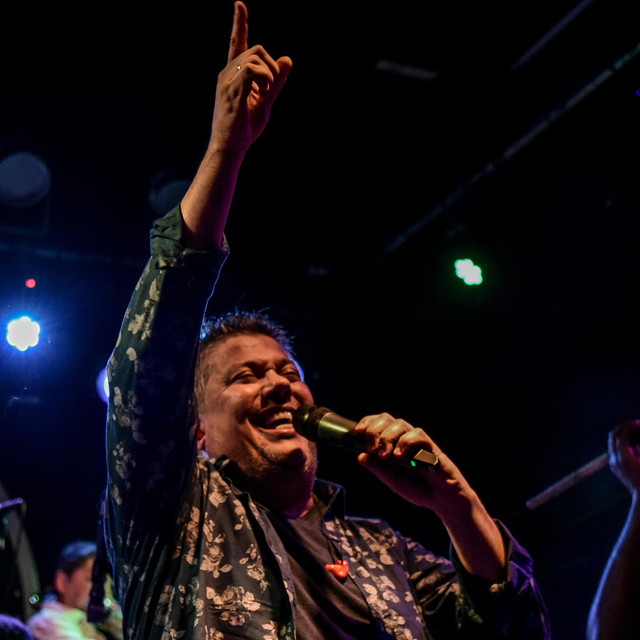




About Murga
Murga is a vibrant, theatrical musical tradition born in Montevideo, Uruguay, where carnival, street theatre, and song fuse into a powerful communal voice. It sits at the heart of Uruguay’s Carnival alongside other popular forms, but murga is distinguished by its large chorus, its energetic percussion, and its sharp, topical lyrics.
Origins and history: The exact moment of murga’s birth is elusive, but most histories place its development in the late 19th and early 20th centuries among Montevideo’s working‑class neighborhoods. It grew from street singing, brass-band traditions, and European theatre forms that immigrant and Afro‑Uruguayan communities helped shape. By the 1930s and 1940s, murga had become a fixture of Carnival, with groups composing satirical shows that commented on politics, society, and daily life. The format evolved into a compact, highly ritualized stage performance—concert, theatre, and social cartoon all in one—where the personal becomes public in real time.
What one hears: A murga group centers on a robust chorus—often 15 to 20 voices—plus a few soloists who provide melodic color. The percussion battery drives the music: bass drums (bombo), snare-like drums (redoblante), and other drums create a propulsive, relentless groove. The arrangements emphasize tight, rapid vocal lines, clever rhyme schemes, and wordplay, with lyrics that skew politicians, social norms, and current events. The music blends pop sensibilities with carnival swing and theatrical declamation, enhanced by crisp choreography and playful staging.
What it’s for: Murga is performative critique as much as entertainment. Shows are typically 25 to 40 minutes long and integrate songs with scenes and dialogue. Lyrical wit, double meanings, and social candor are prized, though there is room for genuine emotion, satire, and even tenderness. The genre thrives in a communal, participatory spirit: audiences clap, shout, and respond to cues, and improvisational touches are not unusual in theatres or on the street.
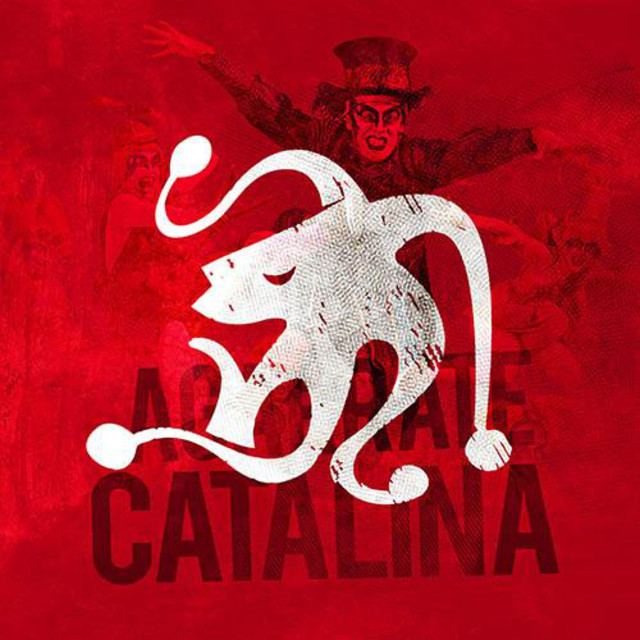
Where it travels and who carries it: Uruguay remains the spiritual home of murga, but the form has spread to neighboring Argentina and to Latin American communities abroad, with festivals, school programs, and touring ensembles helping sustain it. Its most influential contemporary ambassadors come from Uruguay’s modern groups such as Agarrate Catalina and La Trasnochada. Through bold arrangements, contemporary lyricism, and polished performances, these ensembles have renewed murga and helped introduce it to new generations and international audiences.
For newcomers, seek out live Carnival performances or studio recordings from Montevideo’s murgas. Listen for the surge of the chorus, the incisive satire, and the driving drumline that makes murga a living, breathing social event. It’s not just music—it is a collective voice speaking in rhythm, rhyme, and rhythmically charged theatre.
Origins and history: The exact moment of murga’s birth is elusive, but most histories place its development in the late 19th and early 20th centuries among Montevideo’s working‑class neighborhoods. It grew from street singing, brass-band traditions, and European theatre forms that immigrant and Afro‑Uruguayan communities helped shape. By the 1930s and 1940s, murga had become a fixture of Carnival, with groups composing satirical shows that commented on politics, society, and daily life. The format evolved into a compact, highly ritualized stage performance—concert, theatre, and social cartoon all in one—where the personal becomes public in real time.
What one hears: A murga group centers on a robust chorus—often 15 to 20 voices—plus a few soloists who provide melodic color. The percussion battery drives the music: bass drums (bombo), snare-like drums (redoblante), and other drums create a propulsive, relentless groove. The arrangements emphasize tight, rapid vocal lines, clever rhyme schemes, and wordplay, with lyrics that skew politicians, social norms, and current events. The music blends pop sensibilities with carnival swing and theatrical declamation, enhanced by crisp choreography and playful staging.
What it’s for: Murga is performative critique as much as entertainment. Shows are typically 25 to 40 minutes long and integrate songs with scenes and dialogue. Lyrical wit, double meanings, and social candor are prized, though there is room for genuine emotion, satire, and even tenderness. The genre thrives in a communal, participatory spirit: audiences clap, shout, and respond to cues, and improvisational touches are not unusual in theatres or on the street.
Where it travels and who carries it: Uruguay remains the spiritual home of murga, but the form has spread to neighboring Argentina and to Latin American communities abroad, with festivals, school programs, and touring ensembles helping sustain it. Its most influential contemporary ambassadors come from Uruguay’s modern groups such as Agarrate Catalina and La Trasnochada. Through bold arrangements, contemporary lyricism, and polished performances, these ensembles have renewed murga and helped introduce it to new generations and international audiences.
For newcomers, seek out live Carnival performances or studio recordings from Montevideo’s murgas. Listen for the surge of the chorus, the incisive satire, and the driving drumline that makes murga a living, breathing social event. It’s not just music—it is a collective voice speaking in rhythm, rhyme, and rhythmically charged theatre.