Genre
music hall
Top Music hall Artists
Showing 25 of 28 artists



About Music hall
Music hall is a distinctly British popular music and performance tradition that thrived from the mid-19th century into the early decades of the 20th. Born from tavern songs, street ballads, and the appetite for affordable, communal entertainment, it offered a hybrid recipe: catchy songs, rapid patter, comic sketches, and novelty acts all under one roof. The format proved flexible enough to turn topical humor and working-class life into a shared evening out for urban audiences.
In the 1830s and 1840s, urban growth and rising literacy spurred the rise of purpose-built halls, replacing rough taverns as main venues. Tickets were cheap, and the bill typically rotated several acts, mixing a popular song with a comic monologue, a clown routine, and a sentimental ballad. By the late Victorian era, the circuit had crystallized into a recognizable form: a star singer capable of delivering a memorable song, a quick-witted emcee who paced the show with patter, and a chorus ready to join in on a chorus or refrain. The audience learned to anticipate character types, topical jokes, and the little ritual of the house that signaled a well-timed punchline. The songs often carried working-class pride and social commentary, providing both escape and a mirror to contemporary life.
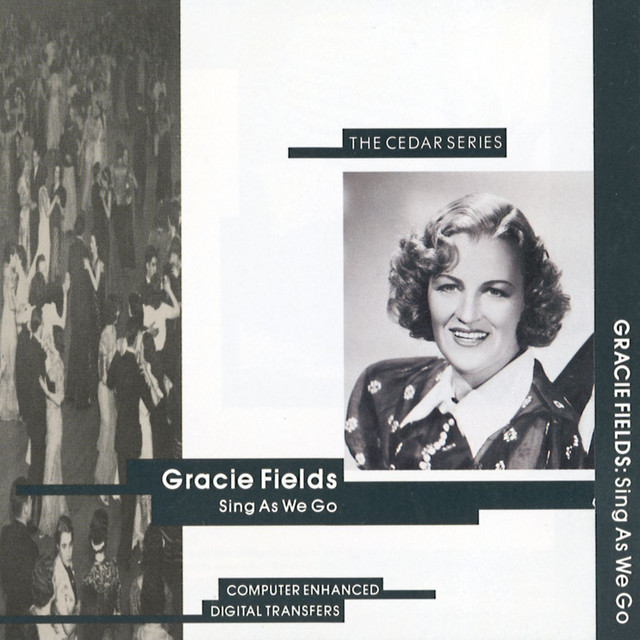
Among the era’s defining figures, Marie Lloyd stands out as the Queen of the Music Hall. Her stage persona, sharp wit, and fearless humor made her a template for female performance within the hall’s tradition. Other enduring names include Vesta Tilley, famed for gender-bending impersonations; George Robey, whose polished patter and robust voice helped carry top shows; and Harry Champion, whose rapid-fire patter songs became synonymous with the brisk cadence of a music-hall set. Gracie Fields, emerging in the 1930s, connected the old hall with a wider popular-song audience through warmth and directness. These artists—ambassadors of the genre—defined its tone and helped transform it from a local pastime into a national cultural force.
Geographically, the music hall culture was most popular in the United Kingdom and Ireland, thriving in cities and provincial towns alike. The British Empire helped export the form to places such as Australia, where touring acts and local venues built a parallel hall heritage. In the United States, vaudeville filled a similar niche, but the UK’s music halls remained distinct in their self-contained repertoire and emphasis on topical, working-class humor.
Decline came with cinema, radio, and the changing entertainment landscape after World War I and into the 1920s and 1930s. Yet the DNA of the music hall—rapid patter, intimate storytelling, and a sense of communal performance—persisted in later variety shows, cabaret, and even modern stand-up. For enthusiasts, exploring the genre reveals a democratic, populist form of popular culture that shaped how songs could carry a city’s mood, jokes, and memory. Today, revivalists and historians preserve its energy, reminding listeners of a time when a single room could feel like the nation in chorus.
In the 1830s and 1840s, urban growth and rising literacy spurred the rise of purpose-built halls, replacing rough taverns as main venues. Tickets were cheap, and the bill typically rotated several acts, mixing a popular song with a comic monologue, a clown routine, and a sentimental ballad. By the late Victorian era, the circuit had crystallized into a recognizable form: a star singer capable of delivering a memorable song, a quick-witted emcee who paced the show with patter, and a chorus ready to join in on a chorus or refrain. The audience learned to anticipate character types, topical jokes, and the little ritual of the house that signaled a well-timed punchline. The songs often carried working-class pride and social commentary, providing both escape and a mirror to contemporary life.
Among the era’s defining figures, Marie Lloyd stands out as the Queen of the Music Hall. Her stage persona, sharp wit, and fearless humor made her a template for female performance within the hall’s tradition. Other enduring names include Vesta Tilley, famed for gender-bending impersonations; George Robey, whose polished patter and robust voice helped carry top shows; and Harry Champion, whose rapid-fire patter songs became synonymous with the brisk cadence of a music-hall set. Gracie Fields, emerging in the 1930s, connected the old hall with a wider popular-song audience through warmth and directness. These artists—ambassadors of the genre—defined its tone and helped transform it from a local pastime into a national cultural force.
Geographically, the music hall culture was most popular in the United Kingdom and Ireland, thriving in cities and provincial towns alike. The British Empire helped export the form to places such as Australia, where touring acts and local venues built a parallel hall heritage. In the United States, vaudeville filled a similar niche, but the UK’s music halls remained distinct in their self-contained repertoire and emphasis on topical, working-class humor.
Decline came with cinema, radio, and the changing entertainment landscape after World War I and into the 1920s and 1930s. Yet the DNA of the music hall—rapid patter, intimate storytelling, and a sense of communal performance—persisted in later variety shows, cabaret, and even modern stand-up. For enthusiasts, exploring the genre reveals a democratic, populist form of popular culture that shaped how songs could carry a city’s mood, jokes, and memory. Today, revivalists and historians preserve its energy, reminding listeners of a time when a single room could feel like the nation in chorus.