Genre
musica catalana
Top Musica catalana Artists
Showing 25 of 57 artists










About Musica catalana
Musica catalana is a living tradition that sits at the crossroads of folklore, poetry and urban modernity. It isn’t a single style, but a family of sounds and forms that have grown up around Catalonia and its language, from traditional folk tunes to contemporary singer‑songwriter currents. Its heartbeat is the Catalan-speaking world, but its influence and curiosity have carried it far beyond its borders.
Origin and core forms
The best‑known emblem of Catalan music is the sardana, a circle dance that emerged in the 19th century in Barcelona and soon spread through Catalonia. The dance is performed by a cobla, a winds‑driven ensemble that balances brass with woodwinds and percussion, producing a bright, ancestral sound that can feel both ceremonial and exuberant. Sardanes were born out of social gatherings, street fairs and neighborhood associations, and they became a vehicle for communal identity—especially during periods when the Catalan language and culture faced political pressure. Alongside the sardana, Catalan singing tradition grew through choral societies and popular vernacular song, often anchored by regional composers who infused local melodies with theatrical, literary or political sensibilities.
Key figures and ambassadors
Pep Ventura is frequently cited as a pivotal architect of the modern sardana, who helped organize and popularize the cobla repertoire in the late 19th and early 20th centuries. Anselm Clavé, another foundational figure, advanced Catalan choral music and contributed to a broader sense of a national musical culture under the Catalan language. In the 20th century, the cantautor tradition—where a single voice tells stories in Catalan—made a lasting impact. Raimon stands out as a bold voice of social conscience, while later icons such as Lluís Llach and Joan Manuel Serrat broadened Catalan music’s reach well beyond regional confines. Serrat, in particular, became a global ambassador for Catalan song, singing in multiple languages, connecting Catalan culture with audiences across Europe and the Americas. Llach’s poetic, politically engaged folk‑pop likewise helped bring Catalan language music to new listeners worldwide.
What it sounds like today
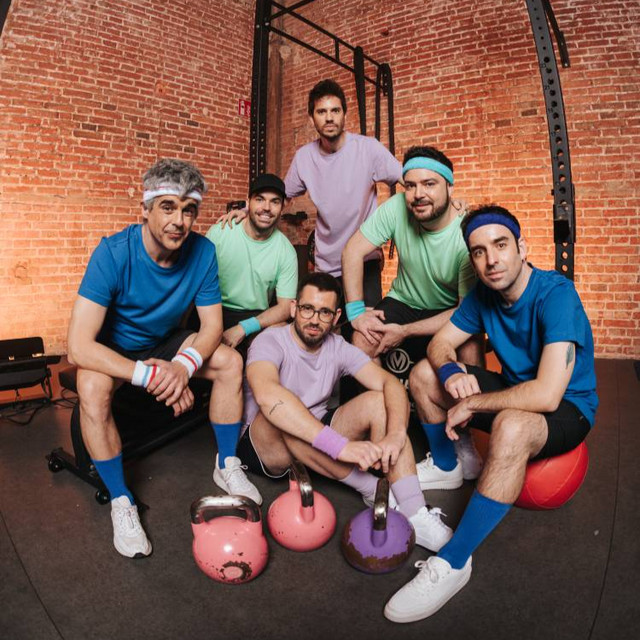
Beyond the traditional core, musica catalana thrives in a thousand voices: indie folk, pop, rock, experimental projects and cross‑cultural fusions. Modern Catalan artists—ranging from intimate singer‑songwriter projects to vibrant festival acts—continue to reinterpret ancestral melodies while addressing contemporary topics, language politics and urban life. Contemporary groups such as Txarango, La Pegatina and Mishima (among others) illustrate how Catalan music remains dynamic, multilingual and globally aware, often performing at major European festivals and in Catalan communities abroad.
Where it is and why it matters
Catalan music is most deeply rooted in Catalonia, including the Balearic Islands and the Valencian Community, as well as Andorra and Catalan-speaking circles elsewhere. Its popularity also travels abroad through cultural exchange, language revival movements, and the universal appeal of stories sung in a distinctive voice. For enthusiasts, the music offers a journey through history and landscape—from the stone façades of old towns to the vitality of contemporary stages—showing how a regional language can shape and be shaped by global musical currents.
Origin and core forms
The best‑known emblem of Catalan music is the sardana, a circle dance that emerged in the 19th century in Barcelona and soon spread through Catalonia. The dance is performed by a cobla, a winds‑driven ensemble that balances brass with woodwinds and percussion, producing a bright, ancestral sound that can feel both ceremonial and exuberant. Sardanes were born out of social gatherings, street fairs and neighborhood associations, and they became a vehicle for communal identity—especially during periods when the Catalan language and culture faced political pressure. Alongside the sardana, Catalan singing tradition grew through choral societies and popular vernacular song, often anchored by regional composers who infused local melodies with theatrical, literary or political sensibilities.
Key figures and ambassadors
Pep Ventura is frequently cited as a pivotal architect of the modern sardana, who helped organize and popularize the cobla repertoire in the late 19th and early 20th centuries. Anselm Clavé, another foundational figure, advanced Catalan choral music and contributed to a broader sense of a national musical culture under the Catalan language. In the 20th century, the cantautor tradition—where a single voice tells stories in Catalan—made a lasting impact. Raimon stands out as a bold voice of social conscience, while later icons such as Lluís Llach and Joan Manuel Serrat broadened Catalan music’s reach well beyond regional confines. Serrat, in particular, became a global ambassador for Catalan song, singing in multiple languages, connecting Catalan culture with audiences across Europe and the Americas. Llach’s poetic, politically engaged folk‑pop likewise helped bring Catalan language music to new listeners worldwide.
What it sounds like today
Beyond the traditional core, musica catalana thrives in a thousand voices: indie folk, pop, rock, experimental projects and cross‑cultural fusions. Modern Catalan artists—ranging from intimate singer‑songwriter projects to vibrant festival acts—continue to reinterpret ancestral melodies while addressing contemporary topics, language politics and urban life. Contemporary groups such as Txarango, La Pegatina and Mishima (among others) illustrate how Catalan music remains dynamic, multilingual and globally aware, often performing at major European festivals and in Catalan communities abroad.
Where it is and why it matters
Catalan music is most deeply rooted in Catalonia, including the Balearic Islands and the Valencian Community, as well as Andorra and Catalan-speaking circles elsewhere. Its popularity also travels abroad through cultural exchange, language revival movements, and the universal appeal of stories sung in a distinctive voice. For enthusiasts, the music offers a journey through history and landscape—from the stone façades of old towns to the vitality of contemporary stages—showing how a regional language can shape and be shaped by global musical currents.