Genre
musica indigena brasileira
Top Musica indigena brasileira Artists
Showing 17 of 17 artists






About Musica indigena brasileira
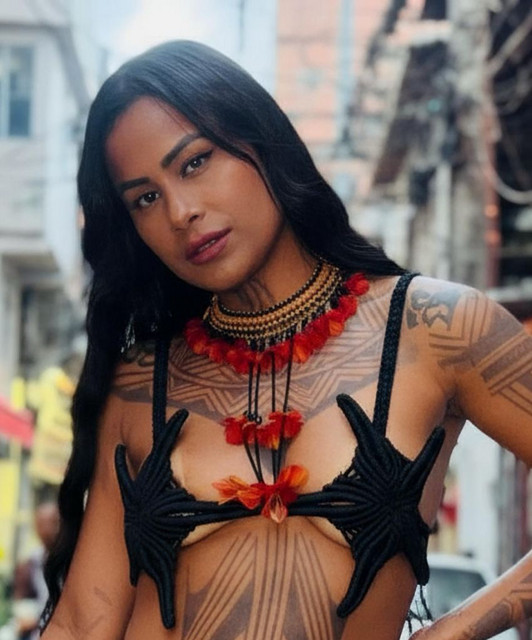
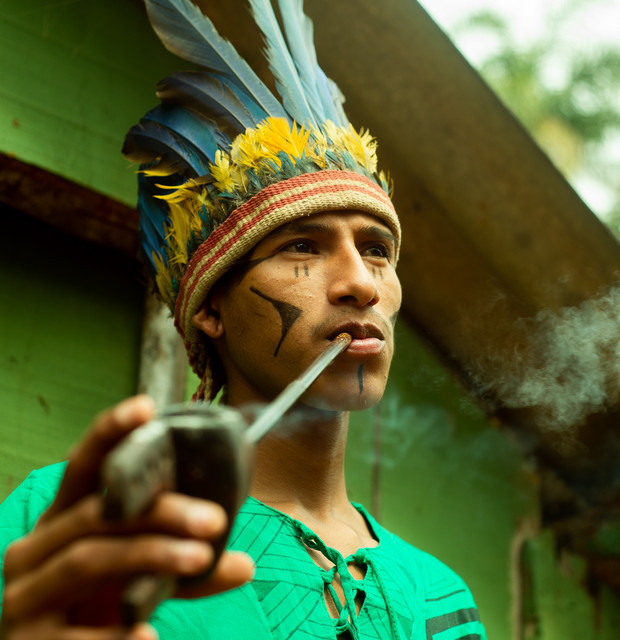
Musica indigena brasileira is a broad, living tapestry rather than a single style. It encompasses the diverse sonic practices of the hundreds of Indigenous communities across Brazil, from the Amazonian river networks to the arid interior, from the Andes-adjacent borderlands to the cerrado. Each people—Guarani, Tikuna, Yanomami, Kayapó, Huni Kuin, Karajá, Toré communities, and many others—sings in its own languages and codes its meanings through ritual chants, storytelling, dances, and social ceremonies. The result is a plural tradition where vocal timbres, polyphonic textures, ceremonial percussion, flutes, rattles, and body percussion come together in a spectrum that resists simple categorization.
Historically, Indigenous music in Brazil has roots that precede European contact, intertwining with ritual life, seasonal cycles, and the transmission of myth and knowledge. The arrival of colonizers, missionaries, and later commercial recording technologies reshaped many practices, yet the core of Indigenous music remained deeply anchored in community life. In the 20th century, anthropologists and ethnomusicologists began to document and, at times, facilitate exchanges between Indigenous musicians and urban or international audiences. Beginning in the latter half of the century, some communities and artists embraced recording studios, radio, and festivals to preserve traditional repertoires while also exploring new forms—an engagement that produced a resonant cross-cultural conversation rather than a surrender of identity.
Musically, the genre is defined by a remarkable range of sounds and functions. Traditional performances might feature intricate call-and-response vocal work, drum ensembles that mark communal events, ceremonial flutes and mouth-bows, and the use of rattles and other natural percussion. In many communities, singing in Indigenous languages is itself a political act, carrying cosmologies, histories, and laws. Contemporary expressions—often described under the umbrella of musics from Brazil’s Indigenous peoples—frequently blend these elemental sounds with modern genres such as folk, rock, pop, or electronic textures. The fusion is not a dilution but a mobilization: ritual energy, ecological wisdom, and social critique are reframed for new audiences and new generations without losing the voice of the community.
Key ambassadors of this living tradition are not a single figure or even a single moment, but a constellation of artists and collectives drawn from different regions and languages. They act as cultural mediators—performing at regional festivals, national stages, and international world-music circuits, collaborating with non-Indigenous musicians and producers, and using media to raise awareness about Indigenous rights, self-dresentation, and environmental stewardship. The aim is often both artistic excellence and cultural sovereignty: to honor ancestral ways while inviting fresh, respectful dialogue with listeners around the world.
In terms of reach, musica indigena brasileira is most deeply rooted in Brazil—where it informs festival programming, academic study, and community life—but it also resonates abroad. It finds audiences in Europe, North America, and parts of Latin America where listeners seek authentic ethnomusicology, sonic texture, and social narrative. For music enthusiasts, the genre offers an immersive invitation to hear how living communities preserve memory, assert identity, and innovate in harmony with the land.
If you’d like, I can tailor this with specific artist names, tracks, and regional subgenres to match a particular area or time period.
Historically, Indigenous music in Brazil has roots that precede European contact, intertwining with ritual life, seasonal cycles, and the transmission of myth and knowledge. The arrival of colonizers, missionaries, and later commercial recording technologies reshaped many practices, yet the core of Indigenous music remained deeply anchored in community life. In the 20th century, anthropologists and ethnomusicologists began to document and, at times, facilitate exchanges between Indigenous musicians and urban or international audiences. Beginning in the latter half of the century, some communities and artists embraced recording studios, radio, and festivals to preserve traditional repertoires while also exploring new forms—an engagement that produced a resonant cross-cultural conversation rather than a surrender of identity.
Musically, the genre is defined by a remarkable range of sounds and functions. Traditional performances might feature intricate call-and-response vocal work, drum ensembles that mark communal events, ceremonial flutes and mouth-bows, and the use of rattles and other natural percussion. In many communities, singing in Indigenous languages is itself a political act, carrying cosmologies, histories, and laws. Contemporary expressions—often described under the umbrella of musics from Brazil’s Indigenous peoples—frequently blend these elemental sounds with modern genres such as folk, rock, pop, or electronic textures. The fusion is not a dilution but a mobilization: ritual energy, ecological wisdom, and social critique are reframed for new audiences and new generations without losing the voice of the community.
Key ambassadors of this living tradition are not a single figure or even a single moment, but a constellation of artists and collectives drawn from different regions and languages. They act as cultural mediators—performing at regional festivals, national stages, and international world-music circuits, collaborating with non-Indigenous musicians and producers, and using media to raise awareness about Indigenous rights, self-dresentation, and environmental stewardship. The aim is often both artistic excellence and cultural sovereignty: to honor ancestral ways while inviting fresh, respectful dialogue with listeners around the world.
In terms of reach, musica indigena brasileira is most deeply rooted in Brazil—where it informs festival programming, academic study, and community life—but it also resonates abroad. It finds audiences in Europe, North America, and parts of Latin America where listeners seek authentic ethnomusicology, sonic texture, and social narrative. For music enthusiasts, the genre offers an immersive invitation to hear how living communities preserve memory, assert identity, and innovate in harmony with the land.
If you’d like, I can tailor this with specific artist names, tracks, and regional subgenres to match a particular area or time period.