Genre
musica jibara
Top Musica jibara Artists
Showing 6 of 6 artists



About Musica jibara
Musica jibara, or música jíbara, is the soulful folk music rooted in Puerto Rico’s rural heart. Born from the daily lives of the island’s jíbaros—the farmers and cowboys who tended the hills and valleys—the genre grew out of centuries of Spanish song, African rhythmic influence, and Criollo creativity. It crystallized in the late 19th and early 20th centuries as communities began to shape a musical voice that could carry stories of love, labor, landscapes, and longing across generations. At its core, música jibara is a democratic, participatory music: a space where singers, instrumentalists, and listeners exchange verses, responses, and melodies in a living, communal tradition.
Two forms have long served as its backbone: the seis and the aguinaldo. The seis is a lively, often improvisational piece that blends lyrical narrative with call-and-response vocal exchanges and intricate instrumental accompaniment. The aguinaldo, typically heard during Christmas seasons and fiestas, is a festive, celebratory cousin that shares the misma spirit of storytelling and solidarity. Both forms frequently rely on the decima, a ten-line stanza form with a distinctive rhythm and rhyme that enables singers to spin poems about the everyday, the sacred, and the seasonal. Lyrically, the repertoire ranges from tender love songs to odes to the homeland, to elegies for the land’s cycles and the people who work it.
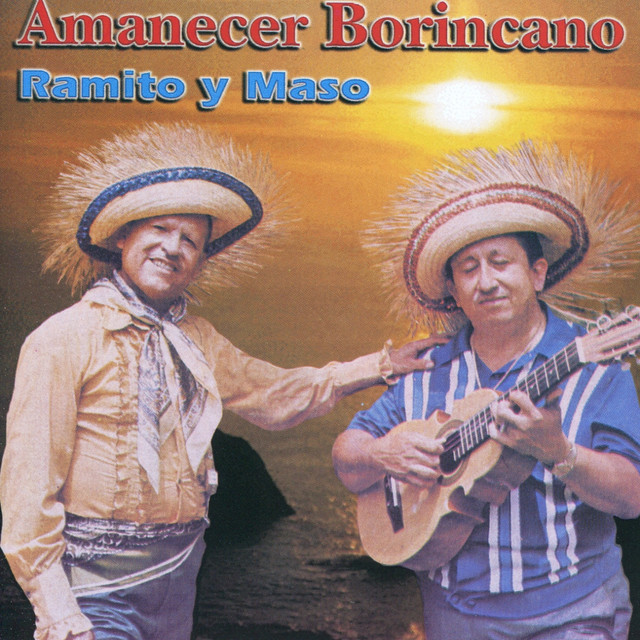
Instrumentation in música jibara centers on the cuatro, a small, steel-stringed chordophone that shapes the genre’s characteristic sound. The cuatro provides the melodic and harmonic framework, weaving together with guitar lines, rhythmic percussion, and occasional wind or plucked textures. Percussion—often simple and percussive—comes from panderos and other hand drums, along with guira-like rasps in some regional flavors. The result is music that can be intimate in a kitchen setting or expansive in a village plaza, capable of both elegiac reflection and spirited celebration.
Culturally, música jibara is a symbol of Puerto Rican identity and rural pride. It’s closely linked to community gatherings, patron saint festas, and the seasonal cycles that shaped agricultural life. Performances are often communal affairs, inviting participation; the music serves as a musical archive of the island’s landscapes, family histories, and social values. The genre also travels with the Puerto Rican diaspora, taking root in New York, Philadelphia, Orlando, and other cities where large Puerto Rican communities keep the tradition alive, adaptively blending with other folk and popular forms.
In terms of ambassadorship and lineage, música jibara has endured through generations of rural performers, revival groups, and contemporary folk ensembles. A notable practical ambassador for the genre has been the Puerto Rican cuatro virtuoso Yomo Toro, who expanded the instrument’s reach and helped bring traditional jibara sensibilities into broader audiences. Beyond individual stars, countless folk groups, cultural centers, and university folklore programs preserve, teach, and perform esta música, ensuring its transmission to younger players and listeners who crave a connection to Puerto Rico’s countryside soundscape.
For music enthusiasts, exploring música jibara is an invitation to hear how memory, place, and language fuse into a sound that is at once rustic and lyrical, simple in its instruments yet rich in its emotional texture. It remains a vibrant thread in Puerto Rico’s musical tapestry and a beacon for those seeking authentic folk-rooted sounds from the Caribbean.
Two forms have long served as its backbone: the seis and the aguinaldo. The seis is a lively, often improvisational piece that blends lyrical narrative with call-and-response vocal exchanges and intricate instrumental accompaniment. The aguinaldo, typically heard during Christmas seasons and fiestas, is a festive, celebratory cousin that shares the misma spirit of storytelling and solidarity. Both forms frequently rely on the decima, a ten-line stanza form with a distinctive rhythm and rhyme that enables singers to spin poems about the everyday, the sacred, and the seasonal. Lyrically, the repertoire ranges from tender love songs to odes to the homeland, to elegies for the land’s cycles and the people who work it.
Instrumentation in música jibara centers on the cuatro, a small, steel-stringed chordophone that shapes the genre’s characteristic sound. The cuatro provides the melodic and harmonic framework, weaving together with guitar lines, rhythmic percussion, and occasional wind or plucked textures. Percussion—often simple and percussive—comes from panderos and other hand drums, along with guira-like rasps in some regional flavors. The result is music that can be intimate in a kitchen setting or expansive in a village plaza, capable of both elegiac reflection and spirited celebration.
Culturally, música jibara is a symbol of Puerto Rican identity and rural pride. It’s closely linked to community gatherings, patron saint festas, and the seasonal cycles that shaped agricultural life. Performances are often communal affairs, inviting participation; the music serves as a musical archive of the island’s landscapes, family histories, and social values. The genre also travels with the Puerto Rican diaspora, taking root in New York, Philadelphia, Orlando, and other cities where large Puerto Rican communities keep the tradition alive, adaptively blending with other folk and popular forms.
In terms of ambassadorship and lineage, música jibara has endured through generations of rural performers, revival groups, and contemporary folk ensembles. A notable practical ambassador for the genre has been the Puerto Rican cuatro virtuoso Yomo Toro, who expanded the instrument’s reach and helped bring traditional jibara sensibilities into broader audiences. Beyond individual stars, countless folk groups, cultural centers, and university folklore programs preserve, teach, and perform esta música, ensuring its transmission to younger players and listeners who crave a connection to Puerto Rico’s countryside soundscape.
For music enthusiasts, exploring música jibara is an invitation to hear how memory, place, and language fuse into a sound that is at once rustic and lyrical, simple in its instruments yet rich in its emotional texture. It remains a vibrant thread in Puerto Rico’s musical tapestry and a beacon for those seeking authentic folk-rooted sounds from the Caribbean.