Genre
musica llanera
Top Musica llanera Artists
Showing 25 of 51 artists
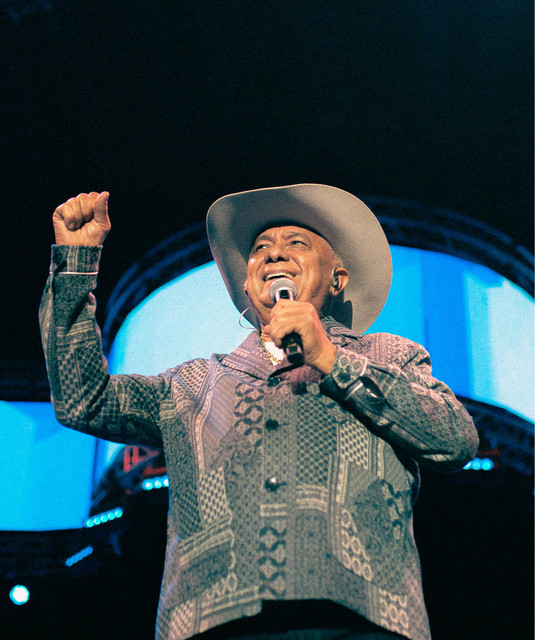


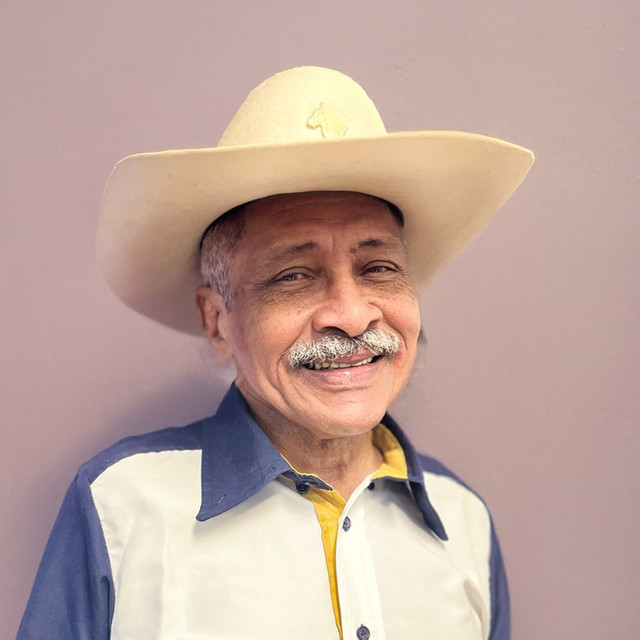


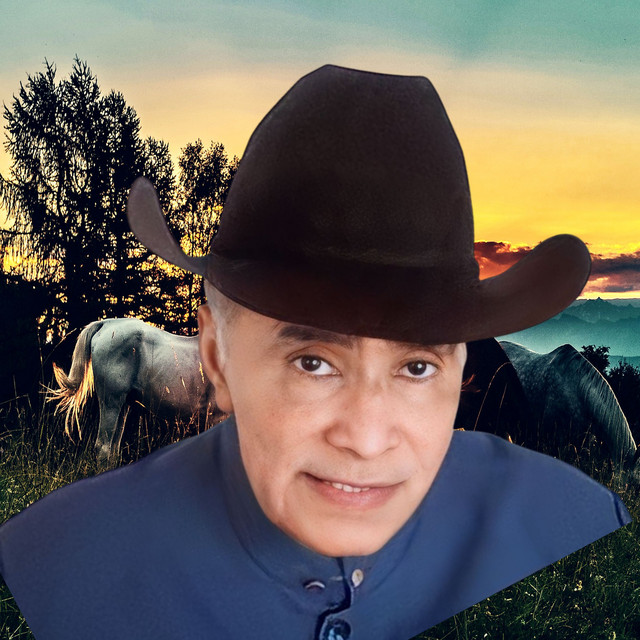





About Musica llanera
Musica llanera, or música llanera, is the living heartbeat of the Venezuelan and Colombian Llanos—the vast grassy plains that feed the cattle-raising culture of both countries. Born from a centuries-old yarn of Indigenous, African and Iberian influences, this music grew from the daily rituals of the llaneros, the plains’ horsemen and ranch hands, who sang, rode, and worked as a single, intimate culture. By the 18th and 19th centuries the songs and dances of the llano had crystallized into a distinct repertory, and by the 20th century it had become a formal genre with recognizable forms, ensembles, and a national and regional identity. The music is inseparable from the life of the plain: long days under the sun, cattle drives, and the vast horizon that gives a sense of freedom and endurance.
The sound of música llanera is immediately recognizable for its signature trio: the arpa llanera (a sturdy, resonant Paraguayan-style harp), the cuatro (a four-string guitar with bright, percussive mood), and the bandola (a shorter, round-bodied string instrument). The percussion, often provided by the furruco (a friction drum) and maracas, keeps a swinging tempo that can glide between 3/4 and 6/8 feels, enabling both the brisk, virtuosic “joropo” dance rhythms and more intimate, melodic “tonadas.” The vocal tradition—lyrical, martial, humorous and elegiac in turn—often accompanies the instrumental dance of the joropo, a lively contest of singers and musicians that can resemble a musical duel as well as a communal celebration. Lyrics paint scenes of the llano: the horse, the wind, the dust, love and longing, the beauty and hardships of frontier life.
Among the forms within música llanera, the joropo stands as the most emblematic. It is a festive, competitive, and deeply social art that accompanies nightly gatherings at fairs and ranches alike. Other substyles, such as the longer, mellower tonadas, explore poetry and storytelling with a different tonal color, while the “pajarillo” and related songs offer lighter, sometimes flirtatious contrasts that broaden the genre’s emotional palette. The music is a living tradition: it adapts without losing its essence, crossing into contemporary stages, orchestras, and fusion projects while preserving the core instrumentation and the sense of place that defines the llano.
Ambassadors and key figures have helped bring música llanera to broader audiences. Simón Díaz of Venezuela remains an undeniable icon; his songs, especially Caballo Viejo, are touchstones for the genre and have helped export the llano sensibility beyond its borders. Reinaldo Armas, another towering voice of the Venezuelan llano, expanded the repertoire with his emotive cantar and helped popularize the style across generations. In Colombia, performers such as Caitro Soto and other llanera artists carried the tradition northward and kept the pan-Llanos sound vibrant. Today, musicians and ensembles from both countries continue to defend the tradition while exploring cross-genre collaborations, ensuring música llanera remains a dynamic, evolving art form.
For enthusiasts, música llanera offers a richly tactile experience: the shimmering harp lines against bright cuatro riffs, the earthy pulse of furruco and maracas, and voices that tell the land’s stories with pride and tenderness. It is a music of the plains—vast, resilient, and deeply human.
The sound of música llanera is immediately recognizable for its signature trio: the arpa llanera (a sturdy, resonant Paraguayan-style harp), the cuatro (a four-string guitar with bright, percussive mood), and the bandola (a shorter, round-bodied string instrument). The percussion, often provided by the furruco (a friction drum) and maracas, keeps a swinging tempo that can glide between 3/4 and 6/8 feels, enabling both the brisk, virtuosic “joropo” dance rhythms and more intimate, melodic “tonadas.” The vocal tradition—lyrical, martial, humorous and elegiac in turn—often accompanies the instrumental dance of the joropo, a lively contest of singers and musicians that can resemble a musical duel as well as a communal celebration. Lyrics paint scenes of the llano: the horse, the wind, the dust, love and longing, the beauty and hardships of frontier life.
Among the forms within música llanera, the joropo stands as the most emblematic. It is a festive, competitive, and deeply social art that accompanies nightly gatherings at fairs and ranches alike. Other substyles, such as the longer, mellower tonadas, explore poetry and storytelling with a different tonal color, while the “pajarillo” and related songs offer lighter, sometimes flirtatious contrasts that broaden the genre’s emotional palette. The music is a living tradition: it adapts without losing its essence, crossing into contemporary stages, orchestras, and fusion projects while preserving the core instrumentation and the sense of place that defines the llano.
Ambassadors and key figures have helped bring música llanera to broader audiences. Simón Díaz of Venezuela remains an undeniable icon; his songs, especially Caballo Viejo, are touchstones for the genre and have helped export the llano sensibility beyond its borders. Reinaldo Armas, another towering voice of the Venezuelan llano, expanded the repertoire with his emotive cantar and helped popularize the style across generations. In Colombia, performers such as Caitro Soto and other llanera artists carried the tradition northward and kept the pan-Llanos sound vibrant. Today, musicians and ensembles from both countries continue to defend the tradition while exploring cross-genre collaborations, ensuring música llanera remains a dynamic, evolving art form.
For enthusiasts, música llanera offers a richly tactile experience: the shimmering harp lines against bright cuatro riffs, the earthy pulse of furruco and maracas, and voices that tell the land’s stories with pride and tenderness. It is a music of the plains—vast, resilient, and deeply human.